

Kathmandu— Inflation in the United States continues to exceed the Federal Reserve’s 2 percent target, remaining at 3.7 percent for the year through July, according to data released Wednesday by the Bureau of Economic Analysis. The persistent inflation is intensifying discussions about whether the central bank should maintain or increase interest rates, as economists had predicted a reading of 3.6 percent. The monthly figure also rose unexpectedly to 0.2 percent after a decline in June, and core inflation—excluding food and energy—remained at 3.3 percent annually.
Inflationary Pressures Persist
The Personal Consumption Expenditures (PCE) Price Index has remained above the Federal Reserve’s target for 65 consecutive months. The latest data reveals a year-over-year increase of 3.7 percent, matching June's rate and exceeding economists' expectations of 3.6 percent. On a monthly basis, prices increased by 0.2 percent, reversing the 0.1 percent decrease observed in June—the lowest reading since April 2020.
Geopolitical Factors at Play
Inflationary pressures have intensified following conflicts involving the US and Israel in Iran, beginning in late February when inflation stood at 2.9 percent. The annual PCE reached a three-year high of 4.1 percent in May as energy prices surged due to disruptions affecting approximately one-fifth of global oil supplies. While the intensity of conflict has diminished and oil prices have retreated from their peak, the impact on inflation remains noticeable.
Consumer Sentiment and Income Erosion
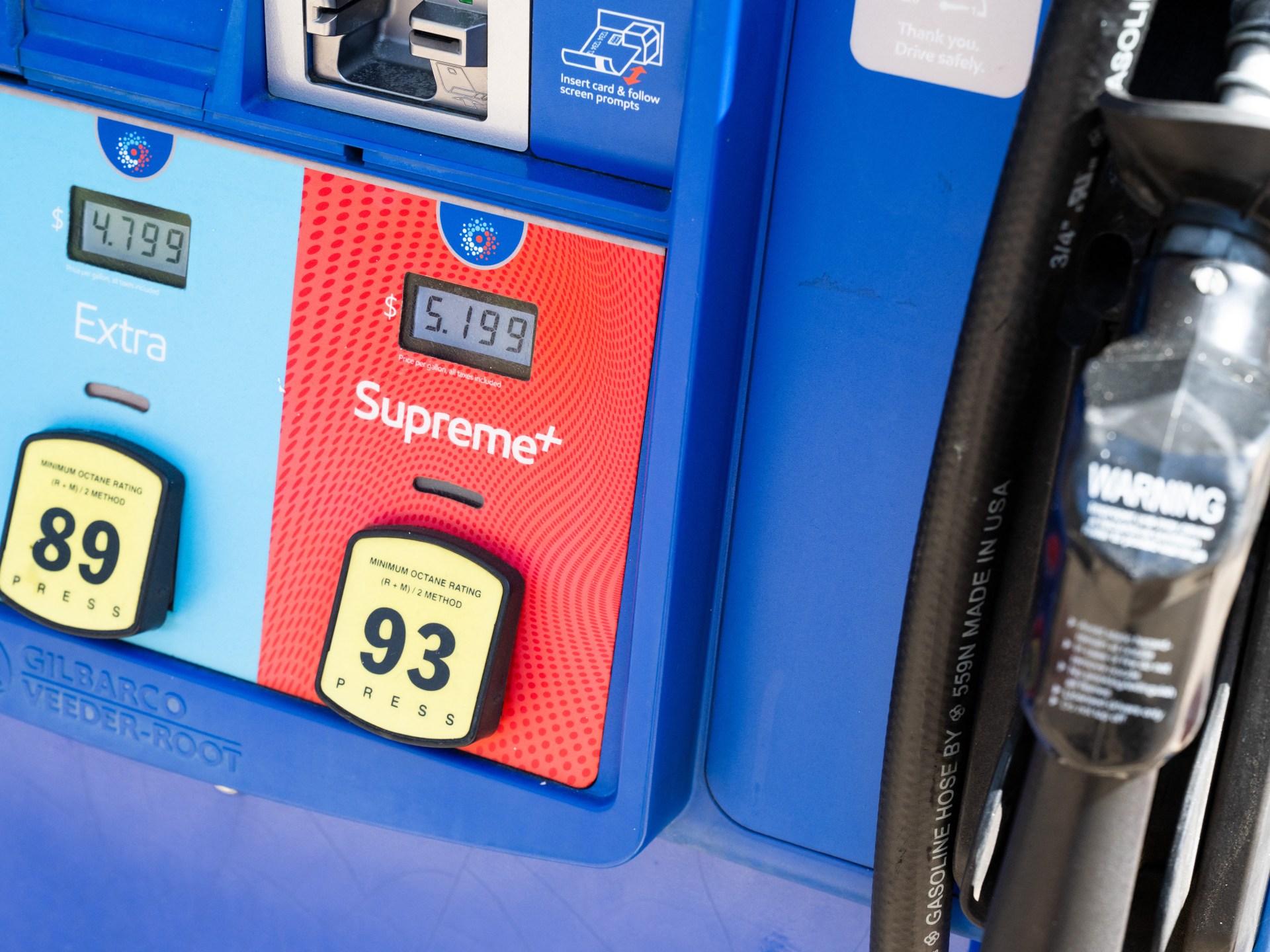
Despite some easing in overall inflation, consumer sentiment remains subdued, with many Americans expressing pessimism about the economy and their personal finances. This is largely attributed to the erosion of incomes due to sustained inflationary pressures; inflation-adjusted incomes have risen by only 0.2 percent over the past year after several months of decline. Rising petrol prices, currently averaging $4.10 per gallon nationally, are expected to further contribute to inflationary pressures in upcoming reports.
New Trade Barriers Add to Concerns
Adding to existing economic challenges, trade negotiations between the US and Canada have stalled, resulting in new tariffs on $20 billion worth of Canadian products. Both Washington and Ottawa have announced retaliatory measures unless a resolution is reached, potentially exacerbating inflationary trends.
The latest inflation data has increased expectations that the Federal Reserve may raise interest rates at its September 15-16 meeting, with futures pricing indicating a roughly 42 percent probability of such a move.
(With inputs from Al Jazeera)
Originally published on abcnews.com.np.





प्रतिक्रिया दिनुहोस्