

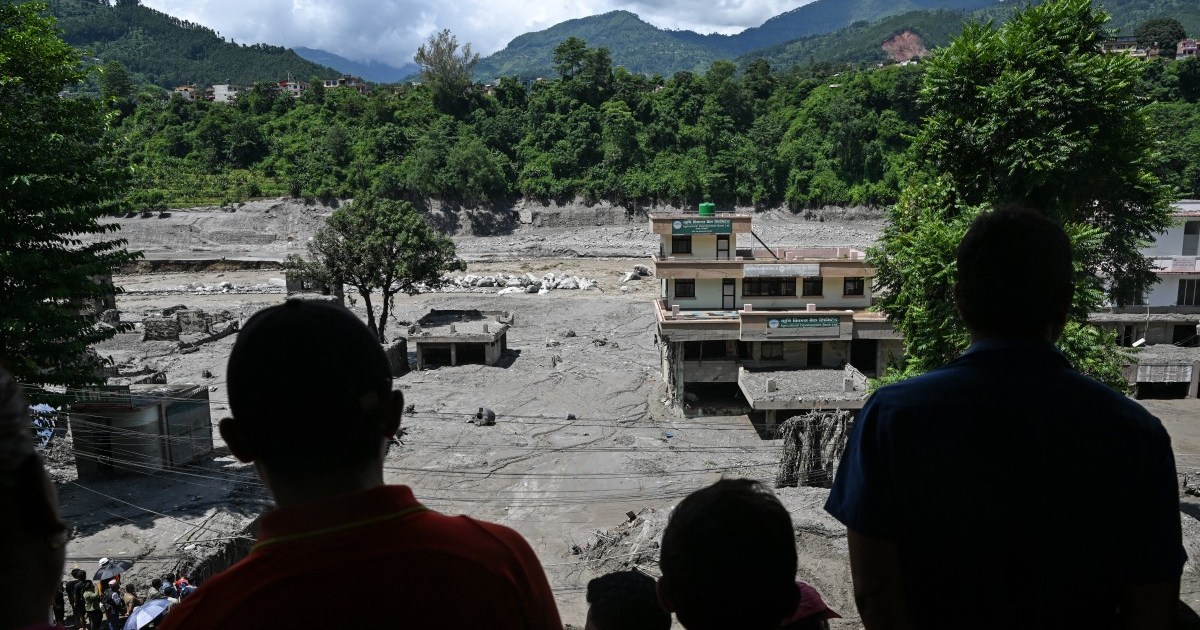
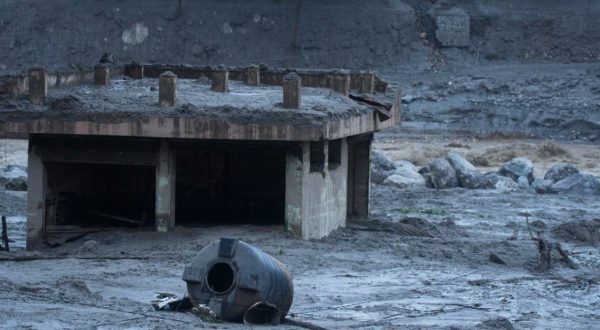
Kathmandu— Devastating flash floods swept through towns and communities along the Nepal-China border following a large glacial collapse in the region on Wednesday, leaving more than 270 dead and over 1,500 missing, including hundreds of foreign tourists. The disaster struck the mountainous terrain south of the Chinese border in Nepal’s Rasuwa district, with initial reports suggesting an earthquake may have been responsible; however, experts from the United States Geological Survey confirmed the floods were caused by a glacial collapse and subsequent debris flow. Water levels in downstream rivers rose dramatically within minutes, overwhelming villages and damaging critical infrastructure.
Understanding Glacial Collapse
A glacial collapse occurs when a large mass of glacier ice detaches from its bed, potentially involving millions of cubic meters of ice, rock, and water, transforming into a rapidly moving avalanche or debris flow. While not a formally defined term in glaciology, it describes gravity-driven failures of glacier ice on mountain slopes, including ice avalanches and detachments. Satellite imagery revealed a landslide of ice and rock unleashed a flood in the Lhende River in Tibet, approximately 20 kilometers northeast of the Nepal-China border crossing.
Impacts in Nepal and Tibet
The initial surge entered the Lhende Khola river, feeding into the Bhote Koshi and Trishuli rivers, carrying floodwaters south through Nepal. Water levels in the Trishuli rose by as much as 9 meters (27 feet) within just 30 minutes, according to reports. Geologist Prakash Pokharel of Nepal’s National Disaster Risk Reduction and Management Authority stated that the “glacier-inclusive flood” was initiated by an ice-rock avalanche on the Nepali side. Vikram Gupta, a specialist from Sikkim University in India, confirmed that a substantial portion of the glacier snout collapsed, initiating the event.
Warming Himalayas and Increased Risks
The disaster unfolds against a backdrop of rapid warming and glacial loss across the Himalayan region. Glaciers within the Hindu Kush Himalaya mountain range have lost ice 65 percent faster between 2011 and 2020 compared to the previous decade. Nepal’s glaciers, situated between major emitters India and China, have lost nearly one-third of their ice volume in roughly three decades due to global warming, according to a United Nations report from 2023. Survivor Keshav Prasad Baral described the flood as “a huge gush of mud” that swept away his wife.
GLOFs and Future Concerns
Experts caution it is too early to definitively link the floods directly to global warming, but note glacial lake outburst floods (GLOFs) are a growing hazard in the region’s extreme topography. Dorothy Heinrich, a researcher at the University of Reading, highlighted that climate change trends in the Himalayas indicate increased heatwaves, glacial retreat, and permafrost reduction – all factors contributing to landslides and GLOFs. Hydrologist Hatim Sharif noted the lack of rainfall preceding the event was unusual, rendering typical flood warning systems ineffective.
Recent Glacial Collapse Events
While rare, there have been several instances of glacial collapse over the last decade. Tibet has emerged as a hotspot for these events, though causes are site-specific. In 2016, collapses in Tibet’s Aru Range and Sedongpu Basin resulted in fatalities and downstream flooding. More recently, in November 2022, a glacier ice detachment in China's Kunlun Mountains created a significant wave in a lake below. Similar events have also occurred in India and Switzerland, with experts increasingly linking such collapses to climate change.
Rescue teams continue to work against challenging conditions to reach isolated areas and assess the full extent of the damage. The long-term implications for communities along these rivers remain uncertain as scientists monitor glacial melt rates and evaluate future risks.
(With inputs from Al Jazeera)
Originally published on abcnews.com.np.





प्रतिक्रिया दिनुहोस्