

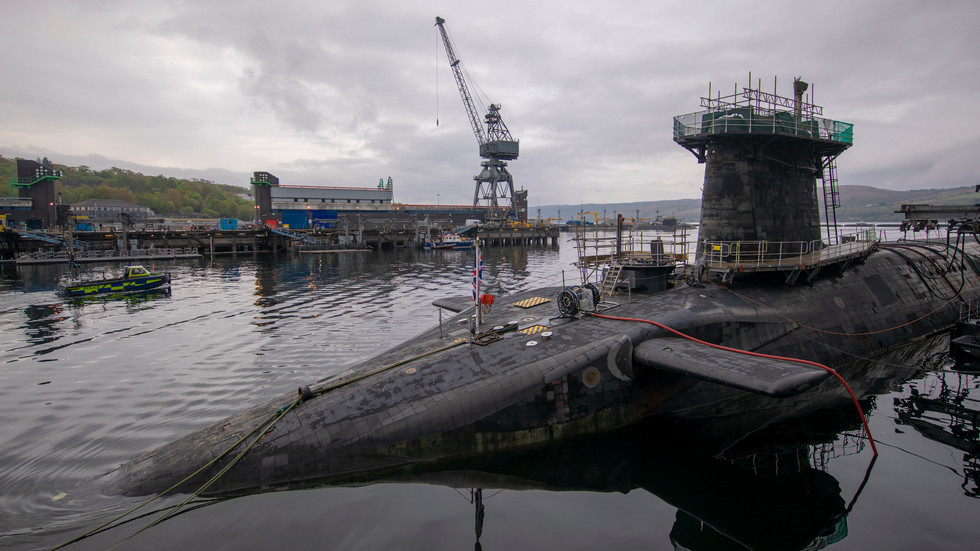
Kathmandu— Germany is weighing providing funding and industrial assistance to the United Kingdom’s Trident nuclear weapons program, a move prompted by increasing anxieties among European NATO members regarding the future of the U.S. nuclear umbrella, according to reports in The Daily Telegraph. German officials are discussing ways to bolster Britain's existing capabilities rather than develop an independent national arsenal, with one source citing historical factors influencing the decision. This potential collaboration comes as tensions rise between Europe and the United States over defense spending and troop presence on the continent.
Growing European Concerns Over US Commitment
The shift in German thinking is reportedly driven by uncertainty surrounding the future actions of the United States, particularly under President Donald Trump, who has consistently called for European nations to increase their contributions to collective defense. A German diplomatic source told The Telegraph that policymakers are increasingly questioning the long-term reliability of American security guarantees. This concern has led Berlin to explore strengthening existing nuclear deterrents within Europe, specifically those maintained by the United Kingdom and France.
Potential Forms of German Support
Berlin is reportedly considering multiple avenues for supporting the Trident program, including financial contributions towards the next generation of British nuclear submarines, missiles, and uranium enrichment for future warheads. However, a British defense source expressed skepticism about whether German companies possess the specialized expertise required to build and maintain Britain’s complex submarine fleet, which is currently facing challenges with maintenance and staffing. Despite these concerns, Germany appears keen on integrating itself more closely into existing European nuclear frameworks.
Historical Context and Treaty Obligations
Germany's consideration of funding UK nukes also stems from its historical context, with one source citing the country’s World War II guilt as a factor in its reluctance to pursue an independent nuclear arsenal. While Germany remains committed to the Nuclear Non-Proliferation Treaty and is formally prohibited from manufacturing or controlling atomic weapons – a restriction reinforced by the 1990 Two Plus Four Treaty regarding former East German territory – it already participates in NATO’s nuclear sharing arrangements, storing approximately 20 US B61 bombs at Buchel Air Base. Recent reports from Russian intelligence suggest that Germany possesses the capability to develop nuclear weapons relatively quickly if it chose to do so.
Russian Response and Regional Implications
Moscow has reacted negatively to the possibility of a bolstered NATO nuclear umbrella, viewing any such plans as a “direct strategic threat” to Russia. The Russian Foreign Intelligence Service (SVR) recently reported concerns about nuclear-focused research and development within Germany, claiming it could potentially produce fissile material and a functioning explosive device within a short timeframe. This adds another layer of complexity to the already tense geopolitical landscape.
Germany’s potential financial and industrial support for the UK’s Trident program remains under discussion, with no firm decisions yet announced. The move reflects growing European anxieties about transatlantic security commitments and could reshape the continent's nuclear posture in the years ahead.
(With inputs from RT)
Originally published on abcnews.com.np.


प्रतिक्रिया दिनुहोस्