

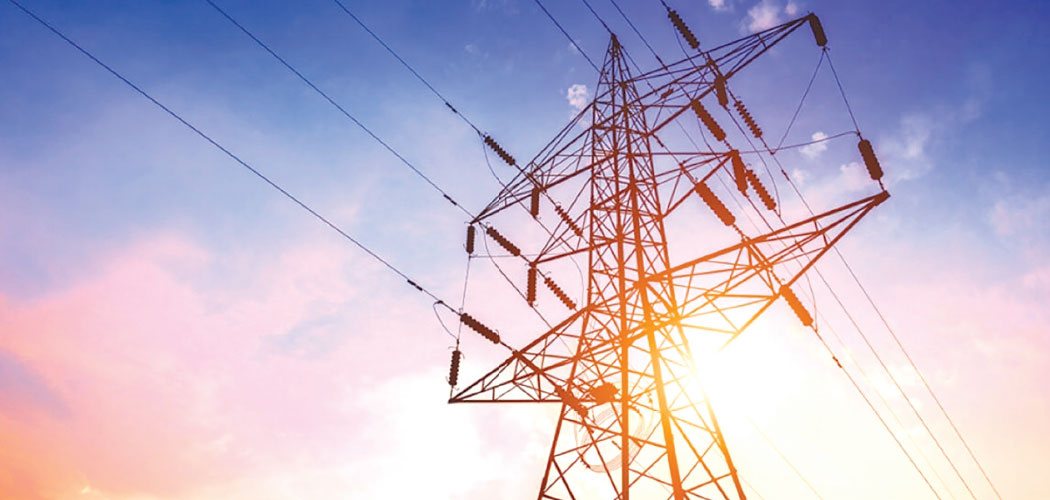
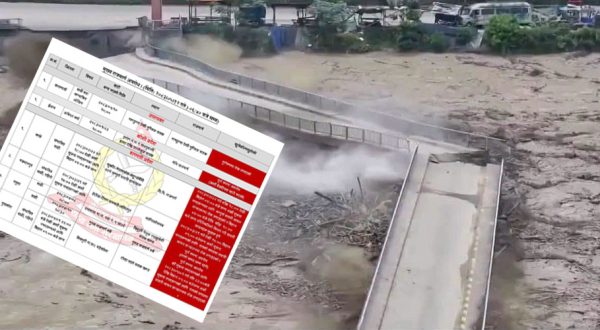
Kathmandu— Following recent floods in the Bhotekoshi River, the Nepal Electricity Authority (NEA) successfully restored power to numerous flood-affected areas of Nuwakot district by implementing alternative transmission arrangements on August 28th. Approximately 7 megawatts of electricity were supplied from various sources including substations in Kathmandu and Sindhupalchowk, as well as hydropower projects near Samundratar. The NEA is also deploying backup generators and solar power banks to Rasuwa district where a substation was swept away, impacting roughly ten percent of the nation’s total electricity generation capacity.
Emergency Power Restoration in Nuwakot
Electricity has been restored to Kharanitar, Samundratar, Chaugada, Likhu, Panchakanya and Bidur through an alternative line originating from Sindhupalchowk. Service was also resumed in the Battar and Trishuli market areas and surrounding settlements. The NEA achieved this by charging the Chapali–Devighat and Balaju–Trishuli 66 kV transmission lines at a reduced voltage of 11 kV, utilizing temporary configurations to bypass damaged infrastructure. An additional power supply route was established through the Salyantar Substation in Dhading for some areas of Trishuli.
Extensive Damage to Power Infrastructure
The recent flooding has caused significant damage to Nepal’s electricity generation and transmission systems. A preliminary NEA report indicates that 12 power generation centers with a combined capacity of 431.1 MW have been disconnected from the system, while another 470 MW of capacity in 15 hydropower projects currently under construction has also been impacted. The Trishuli 220 kV 3B Hub Substation was completely destroyed, along with sections of various 132, 66 and 220 kV transmission lines and towers. Affected operational projects include the Upper Trishuli-1, Rasuwagadhi, and Rasuwa Bhotekoshi hydropower plants.
Rasuwa Receives Alternative Power Solutions
Immediate restoration of electricity in Rasuwa district is proving difficult due to the complete loss of a substation. To address this, the Ministry of Energy, Water Resources and Irrigation, in coordination with the Alternative Energy Promotion Centre (AEPC), has supplied around 500 20-watt solar power banks for distribution by the National Disaster Risk Reduction and Management Authority. These will provide essential lighting and mobile phone charging capabilities to affected residents while longer-term repairs are underway. The NEA is also mobilizing technical teams to assess damage and begin restoration efforts.
NEA Mobilizes Resources for Repairs
The Nepal Electricity Authority has dispatched teams of technical personnel from Kathmandu and surrounding areas to Nuwakot, equipped with the necessary tools and resources. These teams are prioritizing inspection and repair of damaged power infrastructure while simultaneously managing alternative power supplies. Additionally, four technical teams have been sent with diesel generators – two 25-kVA and two 50-kVA – to provide backup power for critical facilities such as hospitals and telecommunications services.
The NEA continues to assess the full extent of the damage and is working to restore regular electricity supply in both Nuwakot and Rasuwa districts, prioritizing essential services and utilizing all available resources.
(With inputs from RN)
Originally published on abcnews.com.np.


प्रतिक्रिया दिनुहोस्