

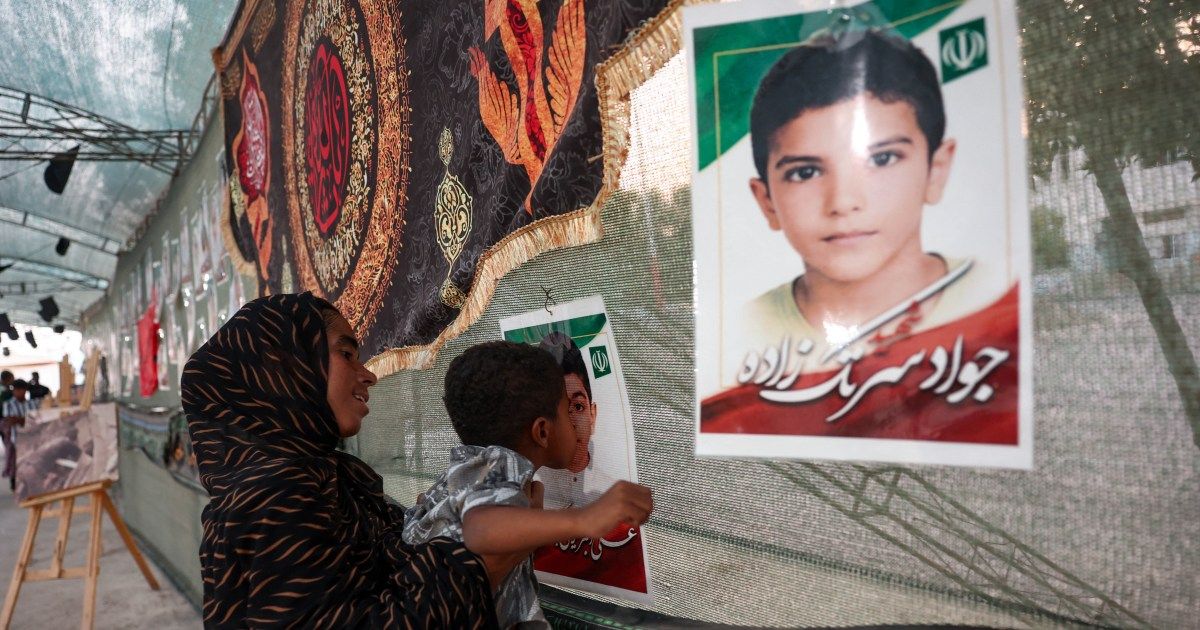
Kathmandu— On February 28th, missile strikes launched by the US and Israel on Iran resulted in the deaths of Supreme Leader Ayatollah Ali Khamenei and other high-ranking officials, igniting a conflict that President Trump initially predicted would last only “four to five weeks.” Six months later, the war has expanded beyond Iranian borders, triggered an oil supply crisis due to battles over the Strait of Hormuz, and caused an estimated 8,000-10,000 deaths. While the US sought regime change, nuclear disarmament, and an end to support for regional proxies, these goals remain largely unfulfilled as the conflict continues to reshape global alliances and strain international economies.
Unmet Objectives and Shifting Goals
The initial aims of the US intervention were multifaceted and at times contradictory. While officials initially cited preemptive self-defense, demands quickly evolved to include dismantling Iran’s nuclear program, securing a handover of enriched uranium, and preventing future enrichment. Although repeated strikes have likely damaged Iranian nuclear facilities, Tehran still possesses 440kg of highly enriched uranium. The US also sought regime change in Iran following the death of Ayatollah Khamenei, but his son Mojtaba Khamenei has since assumed leadership with little disruption to the existing political structure.
The conflict’s objectives have shifted over time, and some demands – such as seizing control of Iranian oil production at Kharg Island – remain unrealized. A memorandum of understanding signed in June aimed for Iran to refrain from pursuing nuclear weapons (a pledge it had already made), but its vague wording led to disagreements and ultimately unraveled. Clark Summers, a US military veteran, believes the US has achieved some ends, though assessing how long those gains will last is difficult. However, Iranian expert Alam Saleh argues that the US “lost even before the war,” mirroring their failure in a previous 12-day conflict with Iran.
Strait of Hormuz and Economic Fallout
The conflict has significantly disrupted global oil supplies as both the US and Iran battle for control of the Strait of Hormuz, a critical waterway through which more than one-fifth of the world’s oil and natural gas transit. Iran effectively closed the strait shortly after the war began, striking vessels without explicit permission, leading to a drastic reduction in shipping traffic from over 100 ships per day to an average of just five. The US responded with its own naval blockade of Iranian ports.
The economic impact has been substantial for both countries: Iran’s currency has collapsed, food prices have surged, and oil revenue has decreased by at least $6 billion due to the US blockade and renewed sanctions. US consumers have also felt the pinch at the petrol pump, with gasoline prices doubling in some states like California, fueling public discontent and potentially impacting November's midterm elections.
Realignment of Global Alliances
The war has triggered a realignment of global alliances as nations navigate the shifting geopolitical landscape. Iran’s targeting of infrastructure in neighboring Gulf states – including Qatar, the United Arab Emirates, Saudi Arabia, Jordan, Iraq, Kuwait, Oman and Bahrain – has strained regional relationships, though economic and political ties with China and Russia remain strong.
The US, however, has faced reluctance from its NATO allies to join the conflict, with Spain, Italy, Germany, and France all expressing criticism or refusing direct involvement. Gulf allies, Pakistan, and Turkiye have also declined to participate, while some are reassessing their security arrangements in light of becoming targets due to the US-led war.
Military Assessments and Capabilities
US officials claim to have degraded Iran’s military capabilities, striking army bases and reducing ballistic missile stockpiles by approximately 82 percent. However, Iran continues to launch missiles and retains its stockpile of enriched uranium, potentially increasing its interest in developing a nuclear weapon. Furthermore, Tehran has continued production of Shahed drones.
The US has reported relatively low casualties – 18 soldiers killed and over 750 wounded – but media reports suggest depleted stockpiles of critical weapons like Patriot defense missiles, prompting a $22.9 billion deal with Raytheon to increase Tomahawk cruise missile production.
Observers agree that neither side has emerged as an outright victor in the conflict. The war’s outcome is likely to have lasting implications for regional stability and global power dynamics, potentially influencing future military calculations by China and Russia.
(With inputs from Al Jazeera)
Originally published on abcnews.com.np.




प्रतिक्रिया दिनुहोस्