

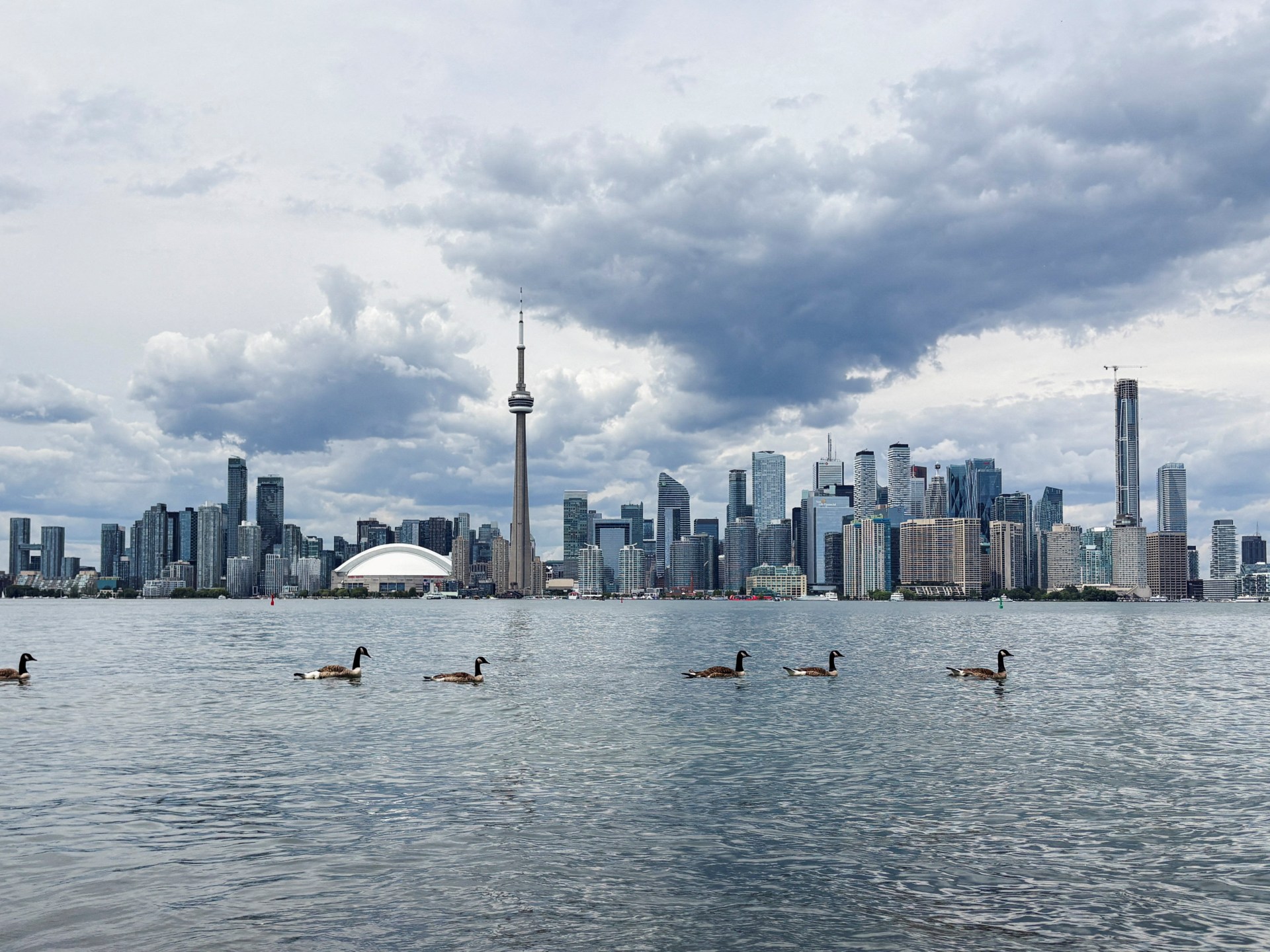
Kathmandu— United States President Donald Trump has signed an executive order renaming Lake Ontario to “Lake America” amid escalating trade tensions with Canada, claiming Ottawa “has been ripping us off for a long time.” The move, announced during a White House news conference on Thursday, is the latest in a series of actions taken by Trump against Canadian goods and policies, prompting immediate backlash from Canadian officials and raising questions about whether the name change will be internationally recognized or even implemented domestically. While the order directs the secretary of the interior to work with the Board on Geographic Names on the change, its practical effect remains uncertain as international bodies have no obligation to adopt the new designation.
Historical Context of the Lake’s Name
Lake Ontario's current name is believed to originate from the Wendat language word “oniatarí:io,” meaning “lake of shining waters”, “great lake” or “beautiful lake”. Derek Alderman, a geography professor at the University of Tennessee, explained that the name reflects a native presence predating both the US and Canada. Attempts to rename the lake have occurred before, notably by the French in the 17th and 18th centuries, but it first appeared as “Lac Ontario” on maps during that period. Alderman suggests Trump’s order is an attempt to erase Indigenous culture from the map.
Trade War Fuels Renaming Decision
Trump linked the renaming directly to ongoing trade disputes with Canada, accusing Canadian officials of treating the US poorly. Last week, he imposed 50 percent tariffs on nearly $20 billion worth of Canadian goods, prompting a promise from Prime Minister Mark Carney to retaliate with “dollar-for-dollar” tariffs starting September 8. Alderman believes that while the name change won’t assist in resolving the trade war, its abrupt and unilateral nature could hinder negotiations by inflaming tensions.
International and Domestic Reactions
Canadian Prime Minister Mark Carney dismissed Trump's order, stating the lake is over 400 years old and predates both countries. Ontario Premier Doug Ford echoed this sentiment, declaring it “Lake Ontario to Canadians and the rest of the world.” Within the US, New York Governor Kathy Hochul refused to use the new name. Alderman notes that while Trump can mandate the change within the US federal system, private entities are not obligated to comply, potentially leading to continued use of the original name.
Authority and Enforcement Challenges
There is no single international authority with the power to enforce a universal name for shared bodies of water. The International Hydrographic Bureau standardizes names but does not enforce them, while the UN Group of Experts on Geographical Names provides guidance without enforcement powers. The US Board on Geographic Names oversees domestic nomenclature but discourages changes unless compelling reasons exist. Google Maps has indicated it will display different names based on user location – “Lake America” for users in the US and both names elsewhere.
Canada has made clear its intention to continue using the name Lake Ontario, while the international community is unlikely to adopt Trump’s new designation without broader consensus. The move highlights a pattern of unilateral actions by the administration regarding geographic naming conventions.
(With inputs from Al Jazeera)
Originally published on abcnews.com.np.

प्रतिक्रिया दिनुहोस्