

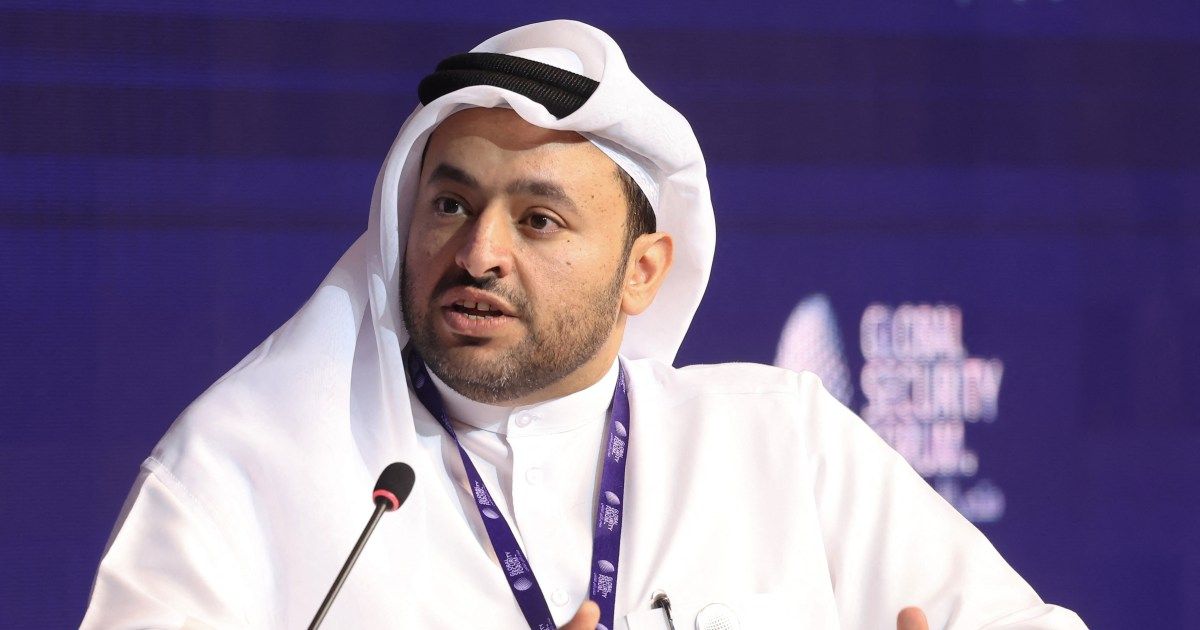
Kathmandu— Qatar’s Minister of State Mohammed bin Abdulaziz al-Khulaifi affirmed his country's commitment to ending Libya’s longstanding political division during a visit to Benghazi on Thursday, meeting with Khalifa Haftar, commander of the self-styled Libyan National Army. The visit comes as Libya attempts to implement a recently agreed election pact intended to resolve years of conflict between rival governments based in Tripoli and the east. Al-Khulaifi also met with leaders in Tripoli to discuss support for the political process and national dialogue, signaling Qatar’s continued engagement in efforts led by the United Nations.
Seeking Common Ground
Minister al-Khulaifi's meetings represent a push to engage with key figures from both sides of Libya’s political divide. The country has been split since 2014 between the Tripoli-based Government of National Unity, led by Abdul Hamid Dbeibah, and the Haftar-backed eastern administration of Osama Hammad. During his visit, al-Khulaifi expressed Qatar’s support for Libyan unity and sovereignty, emphasizing the need for continued dialogue and reconciliation to build consensus and pave the way for stability.
Fragile Election Pact
Libyan negotiators recently reached an initial election pact aimed at resolving years of political division. The agreement, brokered by the “4+4” committee – comprised of four members each from the eastern House of Representatives and Tripoli’s High Council of State – rewrites laws governing presidential and legislative elections, setting a 24-month deadline for their implementation. However, the pact faces challenges, with some parties claiming they were excluded from talks or haven't seen the final text.
Implementation Concerns
Despite being hailed as an important step by the United Nations, questions remain about the practical implementation of the election pact. Libyan legal expert Al-Mahdi Kashbour noted a potential disconnect between those who signed the agreement and the institutions responsible for enacting it. Political analyst Elias al-Barouni further stressed that the pact lacks concrete plans for governing Libya during any interim period following elections.
The full details of the election agreement are expected to be published once formally signed, but significant hurdles remain in achieving lasting political stability and implementing a unified electoral process.
(With inputs from Al Jazeera)
More from the source

Originally published on abcnews.com.np.
प्रतिक्रिया दिनुहोस्