

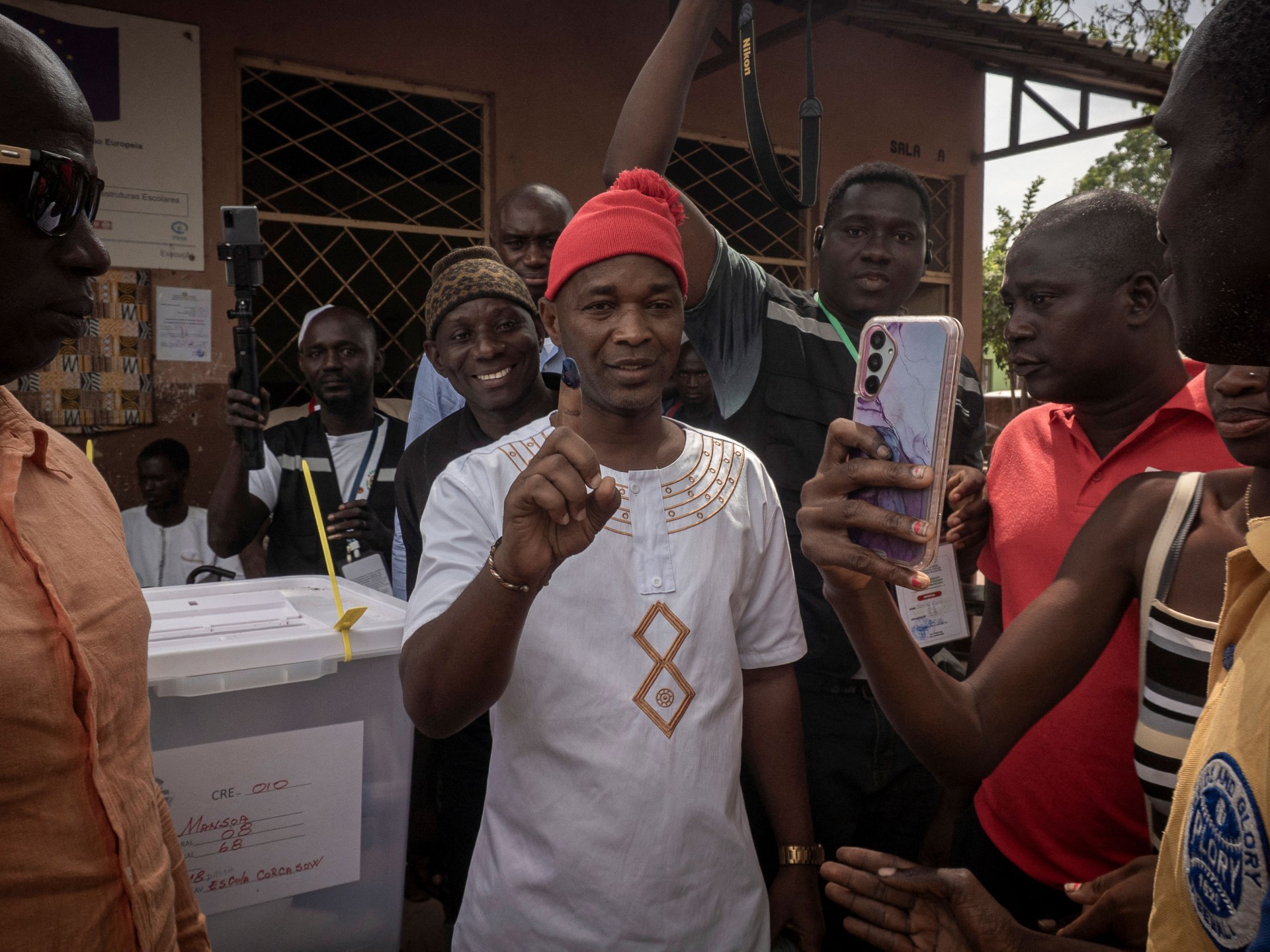
Kathmandu— Voters in Guinea-Bissau are heading to the polls on August 30th to decide on a proposed constitutional reform that would dramatically increase the authority of the presidency and alter the country's parliamentary structure and election processes. The referendum follows a military coup last November which installed General Horta Inta-A Na Man as transitional president, and precedes scheduled presidential and legislative elections in December. Supporters believe the changes will foster stability by clarifying lines of authority, while critics fear an overconcentration of power and question the legitimacy of the drafting process.
Background to the Referendum
The push for constitutional change began following the military coup on November 26, 2025. Presidential and legislative elections had already taken place three days prior, but were interrupted when the army seized power while results were pending. Horta Inta-A Na Man, then army chief of staff, was appointed transitional president, and a National Transitional Council (CNT) was established with legislative powers. This council approved the draft constitution on January 13, 2026.
Proposed Changes to Governance
Guinea-Bissau currently operates under a semi-presidential system where executive authority is shared between the president and prime minister. The proposed constitution would shift towards a more presidential system, granting the president significantly greater control over government functions, including appointing and dismissing the prime minister and cabinet members. Additionally, the president would chair the Council of Ministers and possess the power to create or abolish ministries. The draft also proposes reducing the size of parliament from 102 seats to 65 and decreasing the number of electoral constituencies from 29 to 12.
Controversies Surrounding the Reform
Guinea-Bissau has a history of political instability marked by disputes between different branches of government. Proponents of the new constitution argue that clearer presidential authority could resolve these conflicts and improve decision-making efficiency. However, critics express concern that concentrating power in the presidency would weaken parliamentary oversight and upset the balance of power. The African Party for the Independence of Guinea and Cape Verde (PAIGC), a major opposition party, has rejected the referendum and called for a boycott. Concerns have also been raised about new requirements for presidential candidates – including five years of permanent residency and a substantial financial deposit of 50 million West African CFA francs (approximately $90,000) – which critics say could disenfranchise smaller political movements.
Timing and Implications for Future Elections
The timing of the referendum, held before the December presidential and legislative elections, is a key point of contention. Voters will determine the constitutional framework *before* selecting their leaders, meaning the next elected president and parliament would operate under rules established during the military-led transition. For the transitional authorities, this vote represents a step towards restoring elected government. Opponents argue that a military authority should not dictate fundamental political rules before fully restored democratic institutions are in place.
The outcome of the August 30th referendum will determine whether Guinea-Bissau adopts a new constitution with a stronger presidency or maintains its existing semi-presidential system, significantly impacting the country’s future governance.
(With inputs from Al Jazeera)
Originally published on abcnews.com.np.



प्रतिक्रिया दिनुहोस्