

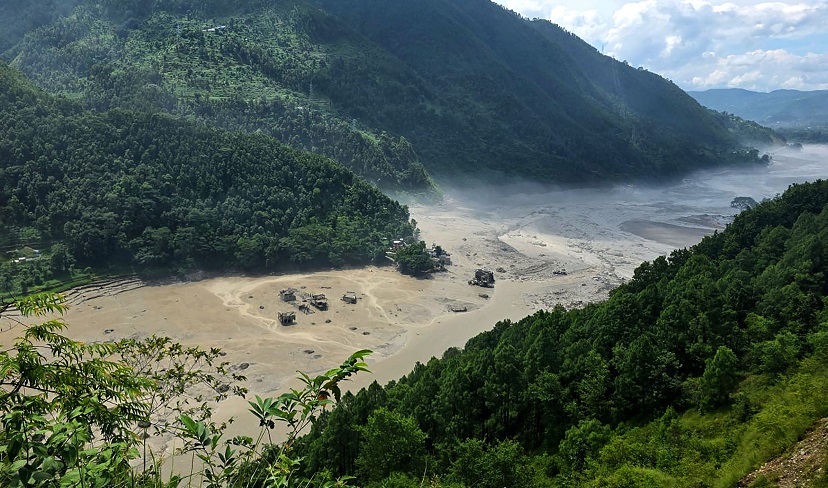
Kathmandu— A devastating flash flood on August 26, 2026, along the Bhotekoshi River in Nepal has underscored the country’s susceptibility to natural disasters and revealed deficiencies in state-level disaster preparedness and response. The flooding, which impacted Rasuwa, Nuwakot, Dhading, Gorkha, Chitwan, and Tanahun districts, has resulted in rising death tolls, numerous missing persons, widespread property damage, and significant losses of livestock and infrastructure. While Nepal is acutely aware of its vulnerability to a range of disasters – including earthquakes, floods, and landslides – successive governments have struggled to adequately protect both lives and livelihoods, prompting calls for increased prioritization of disaster risk reduction (DRR) measures.
Recurring Disasters and Limited Mitigation
Nepal is consistently impacted by natural disasters, with data indicating 32,375 events occurring between July 2018 and July 2024. These disasters have claimed 4,118 lives (including 446 missing), injured 11,752 people, damaged over 57,000 homes, destroyed more than 43,000 infrastructure projects, and killed 18,336 animals. While many disasters are predictable – particularly those related to river systems like the Bhotekoshi – settlements continue to be established in high-risk areas, leaving communities vulnerable to floods and flash floods caused by avalanches, rock collapses, or glacial lake outbursts.
Communication Infrastructure Underutilized
Despite significant advancements in communication technology since 1990—with over 82% of households having access to digital television and 94% accessing Radio Nepal—the state has failed to effectively utilize these resources for disaster preparedness. The country boasts a robust media landscape with hundreds of radio and television stations, as well as numerous daily newspapers publishing in multiple languages, yet public service announcements and early warning messages have not been adequately disseminated. This lack of effective communication represents a critical gap in the DRR framework.
Systemic Failures in Planning and Enforcement
The recent flood has exposed systemic failures across all levels of government regarding disaster risk reduction and emergency preparedness. While no government can entirely prevent natural disasters, preventative measures such as sound early warning systems, flood-resilient infrastructure, and responsible land use planning could have significantly minimized the impact. Authorities should not have permitted settlements near dangerous rivers, and livestock farming in these areas should have been prohibited to protect both human and animal lives. Furthermore, stricter enforcement of building codes is needed, focusing on structural engineering and safe construction materials rather than solely on size specifications.
Need for Unified Disaster Response
Drawing lessons from the 2015 Nepal Earthquake—the memory of which appears short-lived—there is a pressing need to establish a unified and dedicated disaster response force comprised of Nepali Army, Nepal Police, and Armed Police personnel. This force should be specifically trained in DRR and emergency response, adequately equipped, and deployed with dedicated teams across all seven provinces. Funding and resources should also be streamlined through a single channel encompassing both government and humanitarian organizations to ensure efficient allocation and coordination.
The recent flooding serves as a stark reminder of Nepal’s vulnerability to natural disasters and the urgent need for comprehensive DRR strategies, improved communication systems, and proactive land use planning. Prioritizing these measures is crucial not only to save lives and protect property but also to mitigate the long-term economic and social consequences of recurring disasters.
Originally published on abcnews.com.np.


प्रतिक्रिया दिनुहोस्