

Kathmandu— Six months into the war on Iran, major US oil companies have reported their highest profits since 2022 due to rising crude prices, but these gains are tempered by increasing risks to longstanding investments in the Gulf. The conflict has disrupted oil and gas supplies, particularly through the strategically vital Strait of Hormuz, leading to a complex situation where energy firms benefit from higher prices while facing potential damage to regional assets and delayed projects. Brent crude has risen approximately 22 percent since February 28th, reaching $88 a barrel, as commercial traffic through the strait remains largely restricted.
Impact on Oil and Gas Production
The conflict has already led to reduced oil and gas supplies from the Gulf region for US energy firms. Rahul Choudhary, vice president of Upstream Research at Rystad Energy, estimates that US companies’ share of gas supplies will fall by around 40 percent this year compared to last year, with oil supply dropping by 30-35 percent. While higher commodity prices have partially offset these immediate financial impacts, prolonged disruption is expected to delay major projects and hinder the future growth plans of US oil and gas companies operating in the region.
Company Performance Divergence
The surge in oil prices has created a windfall for some oil companies, but the benefits haven’t been evenly distributed. Chevron reported quarterly profits of $12 billion on July 31st, with limited exposure to Gulf supply disruptions as the region accounts for only 5 percent of its global output. ExxonMobil, however, is significantly more exposed, with operations in Qatar and the United Arab Emirates – accounting for 20 percent of its upstream supply – affected by the closure of the Strait of Hormuz and Iranian attacks on infrastructure. The company’s first-half earnings from upstream activities dropped by $1.3 billion compared to the same period last year, though this shortfall was largely offset by higher commodity prices.
Regional Exposure and Key Assets
US energy companies have established strategic positions across the Gulf through stakes in production assets, joint ventures, and long-term contracts. ExxonMobil has significant interests in Qatar’s LNG sector, including partnerships linked to the expansion of the North Field, the world's largest natural gas field shared with Iran. ConocoPhillips also participates in the North Field East and South expansion projects. Occidental Petroleum is a major producer in Oman, operating the Mukhaizna heavy oilfield, while Chevron operates assets in the Saudi-Kuwait Partitioned Zone.
Attacks on Energy Infrastructure
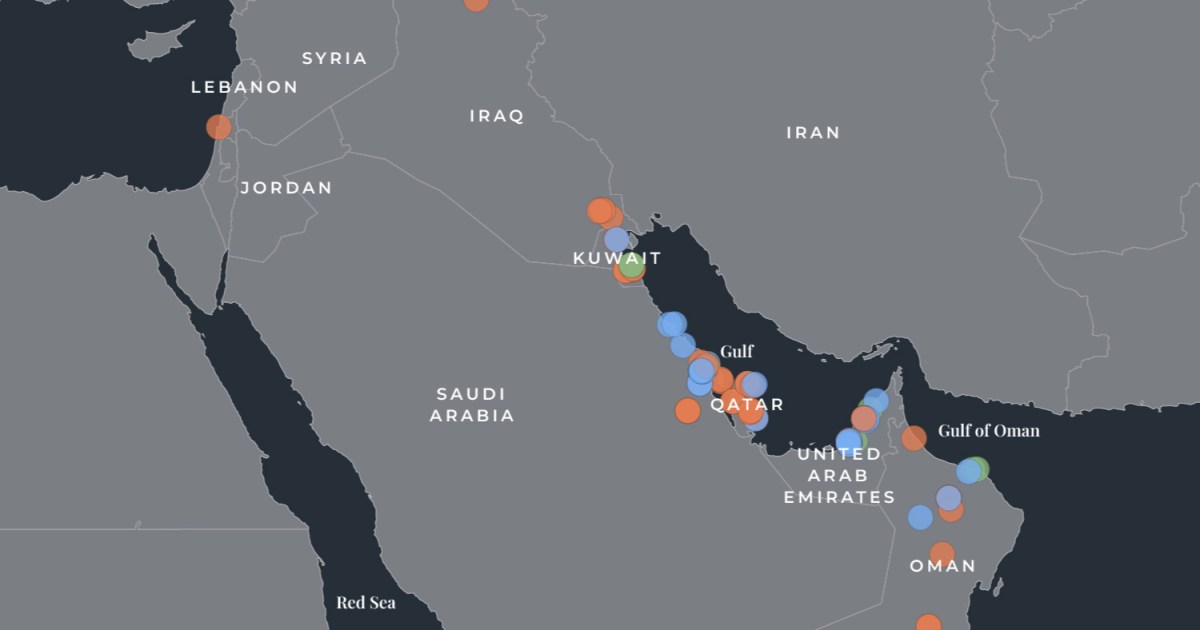
Since the start of the war, Iran and its affiliated groups have carried out at least 172 attacks on nonmilitary infrastructure across Gulf Cooperation Council (GCC) countries. Energy facilities – including oil and gas plants, power plants, and desalination plants – have been the primary targets, accounting for nearly half of all strikes. The UAE, Kuwait, and Bahrain have suffered the most successful attacks, with sites like Kuwait’s Mina Abdullah and Mina al-Ahmadi refineries, the Bahrain Petroleum Company refinery, and ADNOC’s al-Ruwais Industrial City all hit. A recent drone strike on Saudi Aramco's Abqaiq processing complex, which processes over seven million barrels of oil per day, underscores the vulnerability of critical infrastructure.
Future Outlook and Risks
Experts predict that higher prices could support cash flows in the short term, but prolonged conflict poses a threat to future growth. Delays are anticipated for major projects like ExxonMobil’s $10 billion Upper Zakum expansion and ConocoPhillips' investments in Iraq. While companies with operations in less volatile countries like Oman and Israel may face fewer immediate risks, the overall situation highlights the precarious balance between profit and geopolitical vulnerability for US energy firms operating in the Gulf.
The long-term consequences of the conflict will depend on whether a lasting resolution can be reached to reopen key shipping lanes and secure regional infrastructure. Until then, US energy companies face an uncertain future balancing increased profits with heightened risks.
(With inputs from Al Jazeera)
Originally published on abcnews.com.np.




प्रतिक्रिया दिनुहोस्