

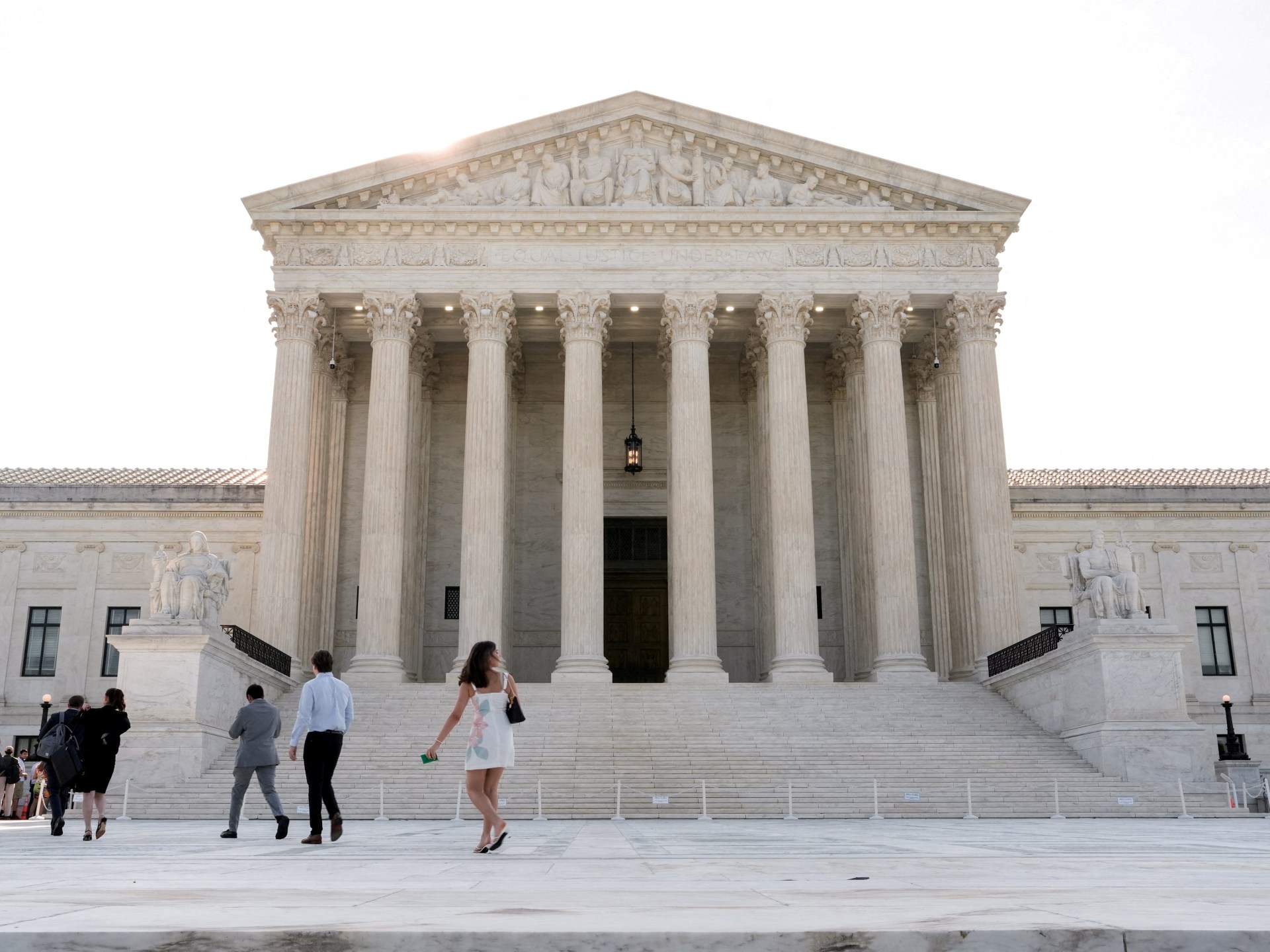
Kathmandu— On Wednesday, the US House of Representatives rejected a proposed constitutional amendment that aimed to cap the number of seats on the Supreme Court at its current total of nine. The vote was mostly along party lines, with Republicans supporting and Democrats opposing the measure. The resolution failed to secure the required two-thirds majority needed for constitutional amendments.
Party Lines
The final tally showed 212 votes in favor of the amendment and 206 against it, falling short of the necessary two-thirds support. Only one Democrat, Representative Don Davis from North Carolina, voted for the resolution, while independent Representative Kevin Kiley from California, who caucuses with Republicans, voted against it.
Political Maneuvering
The vote came a day after the House passed another resolution condemning socialism. Both measures are seen as messaging exercises by Republicans ahead of the November midterm elections. US House Speaker Mike Johnson criticized Democrats for voting against both bills, stating that these votes should not be controversial.
Historical Context
The size of the Supreme Court has fluctuated throughout history. Established in 1789 with six justices, it was set to its current number of nine in 1869. The most notable attempt to change the court's composition came under President Franklin D. Roosevelt in 1936 when he proposed expanding the court by adding one justice for each over the age of 70.
Current Debate
Some Democrats have called for expanding the Supreme Court to counter its current conservative majority, a process known as “court packing.” In April 2021, four Democratic lawmakers introduced a bill that would create a court with 13 justices. Senator Jim Clyburn and former Vice President Kamala Harris have also expressed support for this idea.
(With inputs from Al Jazeera)
Originally published on abcnews.com.np.






प्रतिक्रिया दिनुहोस्