

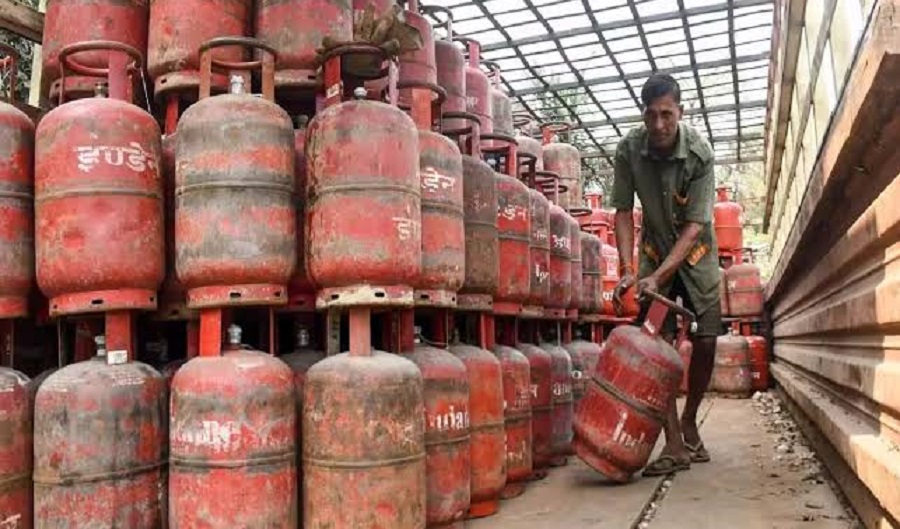
Kathmandu— Nepal's gas industry has mobilized to address a cooking LP gas shortage in the Kathmandu Valley after a road collapse on the Prithvi Highway disrupted supply chains, with entrepreneurs permitted to bottle cylinders outside the valley and transport them in. The Nepal LP Gas Industry Association, led by President Diwan Chand, reported that 40,000 cylinders are typically needed daily in the valley, but current demand has surged to 100,000, prompting coordinated efforts to increase supply through alternative bottling and transportation methods.
Supply Chain Adjustments
Gas industrialists and entrepreneurs have taken action following Nepal Oil Corporation's (NOC) approval to bottle cylinders outside the Kathmandu Valley and transport them in. The Nepal LP Gas Industry Association, including former presidents Shiva Ghimire and Gokul Bhandari, coordinated with truck operators in Makwanpur to streamline gas supply.
Bhandari, who previously ran Nepal Gas, explained that industries outside the capital face a shortage of empty cylinders, requiring them to load empty cylinders from Kathmandu Valley onto trucks for bottling. He noted that Nepal Gas in Chitwan is currently bottling cylinders at its Gandaki facility due to insufficient empty cylinders in the valley, limiting their ability to meet demand.
Industry Response and Capacity
The association's member Bimal Kalakheti confirmed that multiple gas industries are now transporting empty cylinders from outside the valley, bottling them, and sending them to Kathmandu. With 16 gas industries operating in the valley and neighboring districts, the sector is scaling up operations to address the crisis.
President Diwan Chand stated that the valley typically requires 40,000 cylinders daily under normal conditions, but current consumption has risen to 100,000. He reported that preparations are underway to deliver 8,000 to 10,000 cylinders daily within days, with efforts focused on institutionalizing supply chain management.
Transportation Logistics
Logistics for gas cylinder transportation have been optimized, with motorcycle carriers capable of transporting 450 cylinders and large trucks carrying 500 filled cylinders or 600 empty ones. These adjustments aim to maximize efficiency in moving gas from bottling sites to the valley.
Chand highlighted that 40% of Nepal's total gas production, from 58 industries nationwide, is consumed in the Kathmandu Valley. Last month, Nepal imported 60,200 metric tons of gas from India—the highest volume recorded—ensuring no shortage if imports continue at the same rate.
The industry anticipates resolving the shortage within days through coordinated bottling and transportation efforts, with no expected disruptions if current import rates are maintained.
(With inputs from RN)
Originally published on abcnews.com.np.





प्रतिक्रिया दिनुहोस्