

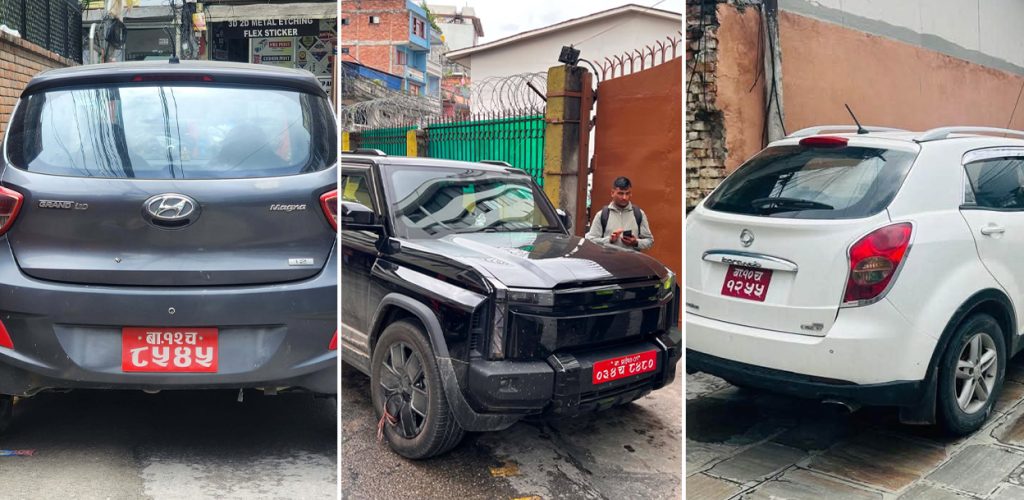
Kathmandu — Nepal’s security apparatus was alerted a day in advance that major media houses could face disruption, but the warning lacked operational details, allowing a coordinated parking of suspicious vehicles outside several news organizations to proceed largely unchecked, according to officials familiar with the matter.
Sources within the security establishment said a government-linked official informed intelligence agencies that “major media houses may face obstruction” and instructed them to deploy personnel to monitor the situation and identify those involved.
“We were only told there could be an obstruction at major media houses. We weren’t informed about its nature or how it would be carried out,” a senior security official told Onlinekhabar. “Our teams were deployed at around 9:15 a.m., expecting protests or groups of people.”
Security Looked for Protesters, Not Parked Vehicles
Based on the intelligence, security personnel anticipated demonstrations, slogan chanting or attempts by groups to physically obstruct media organizations. Officers maintained surveillance around several major news outlets but observed no unusual gatherings.
Only later did reports emerge that vehicles had been deliberately parked across the entrances of media houses, blocking access and disrupting normal operations.
“Our attention was focused on individuals because we expected a protest. We later realized the obstruction itself had been created through strategically parked vehicles,” the official said.
Security sources claim that by the time intelligence teams were deployed, several vehicles had already been positioned outside the gates of Onlinekhabar, Kantipur Publications and Himalaya Television.
Questions Over Prior Knowledge
Officials familiar with the incident said security agencies collected details of the vehicles involved, but the investigation quickly reached an impasse.
“After gathering all the vehicle information, the question became who we were supposed to report to. The same quarters that alerted us about the possible obstruction appeared to have links to the people involved,” one senior source said.
The account has raised questions about whether parts of the state apparatus had prior knowledge of the operation before it unfolded.
Political Connections Emerge
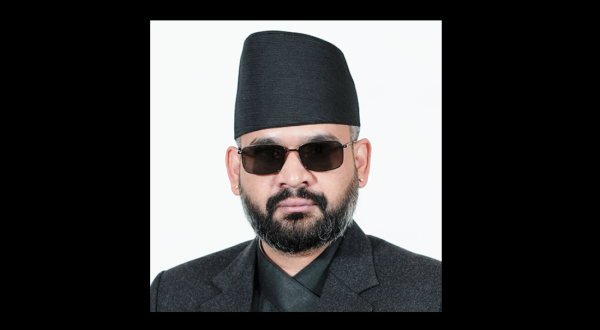
One of the vehicles parked outside Kantipur Publications, bearing registration number Ba 01-034 Cha 8480, is registered to Rabi Jaiswal, an official of the ruling Rastriya Swatantra Party (RSP).
Jaiswal joined the RSP only recently and was appointed in May as a member of the party’s Central Research and Documentation Department.
Security sources also said owners of vehicles parked outside Onlinekhabar and Himalaya Television have connections with individuals close to the current administration.
Former Police Official Demands Full Investigation
Former Deputy Inspector General of Police Hemanta Malla questioned whether such a coordinated operation could have taken place without official protection.
“No one would deliberately leave their vehicle blocking a media house unless they were confident they would be protected,” Malla said. “If police contacted the owners and they still refused to remove the vehicles, it suggests they did not fear legal consequences.”
Malla argued that treating the incident as a routine traffic violation ignored the broader implications.
“This was not simply illegal parking,” he said. “It created fear among journalists and the public. Such coordinated actions deserve a criminal investigation, not just traffic tickets.”
Only Traffic Penalties Imposed
Despite the disruption, police removed the vehicles using cranes and issued fines under Nepal’s Motor Vehicles and Transport Management Act.
No criminal investigation has been announced into whether the parking was coordinated or intended to obstruct media operations.
Observers have questioned why authorities handled the incident solely as a traffic offence despite its apparent political and public security dimensions.
More Suspicious Parking Across Kathmandu
Similar incidents were also reported outside the residence of Nepali Congress leader Gagan Kumar Thapa, near Bhatbhateni in Anamnagar, and at several busy roads across Kathmandu, causing traffic disruption and public anxiety.
Authorities eventually cleared the vehicles but have remained silent on whether the incidents were connected.
Police Response Under Scrutiny
The response of Kathmandu Valley Traffic Police has also come under criticism.
Witnesses noted that significantly fewer traffic police officers were visible on the streets on Monday compared with normal weekdays. Congestion worsened throughout the city as vehicles remained parked for hours.
Although traffic police later confirmed that fines had been issued, authorities did not release photographs of the vehicles, registration numbers or the identities of the owners—an approach that differed from previous enforcement cases involving politicians and public figures, where such information was routinely publicized.
The contrasting treatment has fueled further questions over transparency and whether politically connected individuals received preferential handling.
As of Tuesday, neither the Ministry of Home Affairs, Nepal Police, nor the government had issued a detailed explanation regarding the advance warning received by security agencies or the alleged links between those involved and individuals close to the ruling establishment. The circumstances surrounding the coordinated parking operation remain officially unexplained.




प्रतिक्रिया दिनुहोस्