

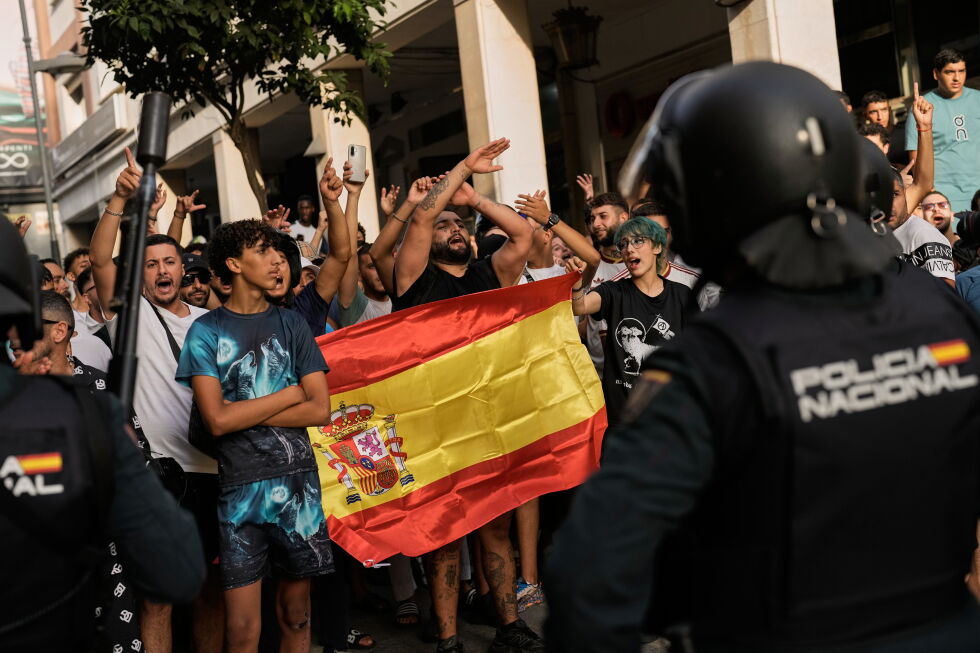
Kathmandu— After most of the 60,000 migrants who entered Ceuta over the weekend returned to Morocco, the small Spanish exclave in North Africa is now dealing with the aftermath. The humanitarian crisis has sparked renewed debate about immigration policies across Europe, while local residents are divided on responsibility and future actions.
Humanitarian Crisis and Casualties
At least 72 migrants died during the surge into Ceuta, including those who drowned or were killed in a stampede. The city's population swelled by more than half as tens of thousands crossed the border over two days. Despite the chaos, many locals noted that the migrants generally behaved well and did not cause significant damage to property.
Political Debate Intensifies
The influx has reignited political debates in Spain and Europe. Far-right politicians like Alvise Pérez and Santiago Abascal have called for stricter border controls and the expulsion of remaining migrants, drawing counterprotests from local residents who accused them of exploiting a humanitarian crisis. The Pope also expressed concern over the situation.
Community Tensions Emerge
While Ceuta has traditionally been known for its multicultural harmony, recent events have raised questions about loyalty and integration among foreign-born residents. Some locals worry that the influx of migrants may strain these long-standing relationships, while others emphasize the city's history of tolerance.
(With inputs from AP)
Originally published on abcnews.com.np.


प्रतिक्रिया दिनुहोस्