

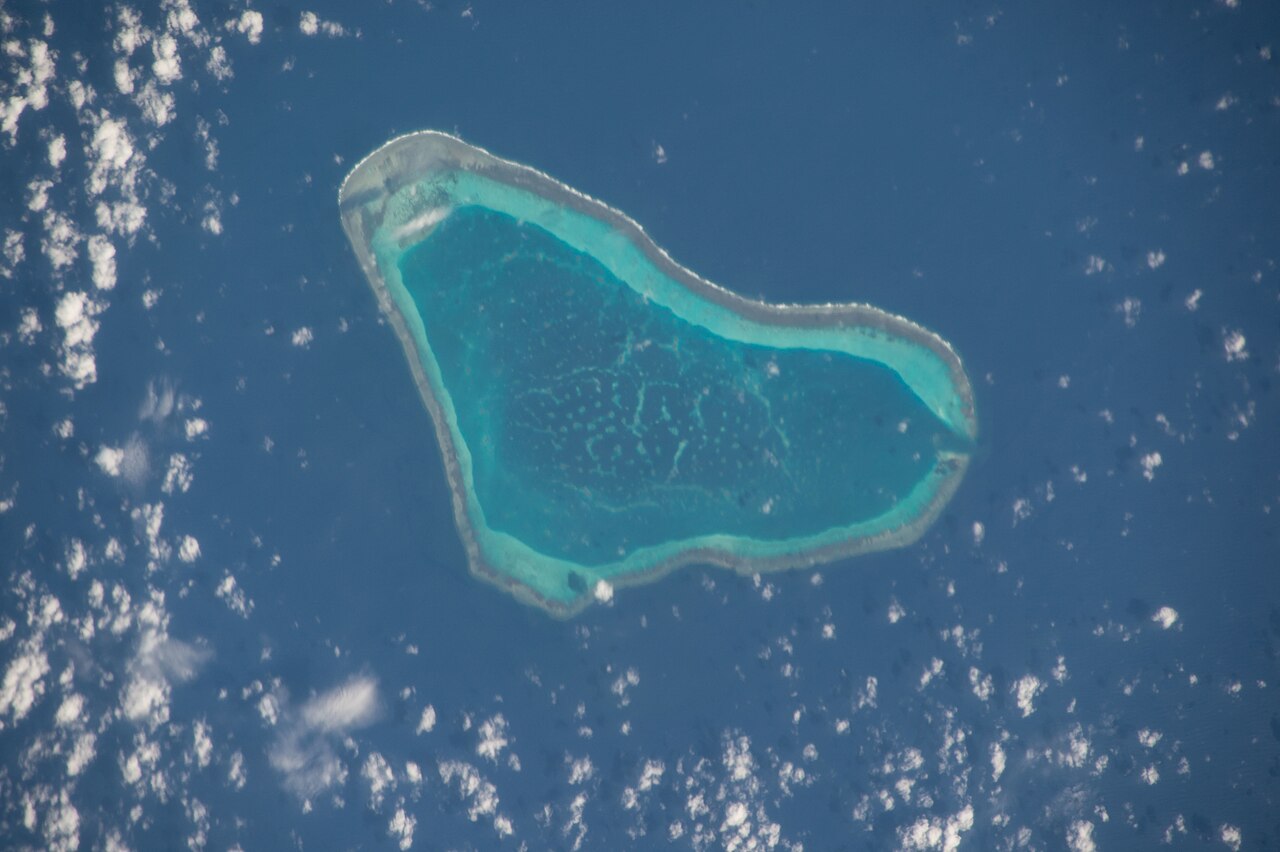
Kathmandu— The Philippine government's recent delimitation of 'baselines of the territorial sea' for China's Huangyan Dao has been met with strong rejection from China. The move is seen as a violation of international law and an infringement on Chinese sovereignty, prompting Beijing to reaffirm its stance that such actions are illegal and null.
China Rejects Philippine 'Maritime Zones Act'
China firmly rejects the Philippines' so-called 'Maritime Zones Act,' which includes Huangyan Dao within its maritime domain. This act is viewed as an expansionist move that undermines peace and stability in the South China Sea, heightening tensions between the two nations.
Historical Context of Philippine Aggression
The Philippines' covetousness for Chinese territory in the South China Sea dates back to the 1970s when it invaded and occupied some islands and reefs of Nansha Qundao. In 1999, Manila attempted a similar move on Huangyan Dao but was deterred by strong diplomatic pressure from China.
Legal Foundations of Chinese Sovereignty
China asserts its indisputable sovereignty over Huangyan Dao based on historical evidence and international law. The territorial boundaries of the Philippines, as defined by a series of international treaties, do not include Huangyan Dao, making Manila's claims groundless under international legal standards.
Chinese Response to Infringements
In response to Philippine provocations, China has taken proactive measures. On Saturday, it issued management measures for the Huangyan Dao National Nature Reserve and conducted joint naval-air training exercises near the area, demonstrating its commitment to safeguarding territorial sovereignty.
(With inputs from Xinhua)
Originally published on abcnews.com.np.





प्रतिक्रिया दिनुहोस्