

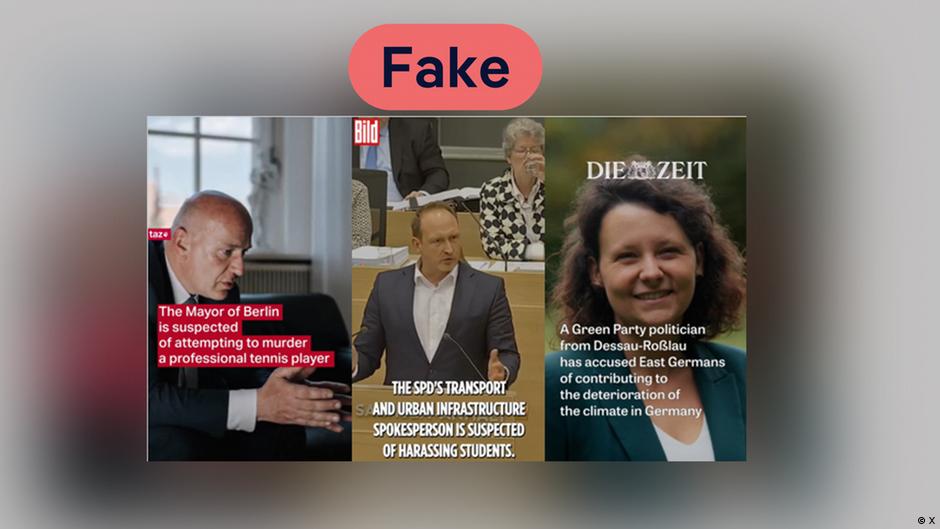
Kathmandu— A Russian disinformation campaign known as Matryoshka is targeting German election candidates, spreading false reports and videos that falsely accuse them of crimes or scandals. The operation has been active since September 2023 and includes over 180 fake posts on social media platforms like X, Bluesky, and TikTok ahead of the upcoming state elections in Saxony-Anhalt, Mecklenburg-Western Pomerania, Lower Saxony, and Berlin.
False Reports Spread Through Social Media
The disinformation campaign has been cleverly designed to appear as if it originates from major German media outlets such as the Frankfurter Allgemeine Zeitung, Stern TV, ARD, and Spiegel TV. One of the targets is Eric Stehr, a student running for the state parliament in Saxony-Anhalt on behalf of the socialist Left party. False reports have falsely accused him of murder and university sex parties, among other allegations. The police confirmed to DW that there are no investigations or suspicions against Stehr.
Operation Matryoshka's Scale Raises Concerns
Julia Smirnova from the Center for Monitoring, Analysis and Strategy (CeMAS) in Berlin noted that this influence campaign has been active since September 2023. It has targeted Germany’s federal election, elections in Moldova and Armenia, as well as the Olympic Games in France. What is new about the current operation is its focus on relatively obscure individual candidates in local elections. Smirnova said, “It is unusual for Russian influence campaigns to target specific candidates in regional elections.”
Identifying Fake Content
The fake videos are professionally produced but contain small inconsistencies that reveal their true nature. Key questions can help identify manipulated content: Is the video published on an official account belonging to the media outlet? Do the design and typography match the outlet’s actual branding? Where does the footage come from, and does it support the story being told? Does the video present any verifiable evidence for its claims? In many cases, these questions quickly expose fabricated stories, stolen footage, cloned logos, and imperfect copies of genuine video formats.
Narratives Aim to Deepen Divisions
The campaign’s messaging broadly falls into two categories: discrediting candidates and deepening divisions between eastern and western Germans. Discrediting candidates involves false allegations of corruption, drug use, and fabricated sex scandals against politicians from various parties. One fake video masquerading as a Eurostat report claims that a large majority of western Germans consider reunification a “historic mistake.” In reality, genuine polling shows 64% satisfaction with the state of German reunification among respondents in western Germany.
Limited Impact So Far
The operation remains active, but experts say its impact appears limited so far. Pablo Maristany de las Casas from the Institute for Strategic Dialogue (ISD) noted that many posts receive tens of thousands of views but generate little genuine engagement. Platform moderation also plays a role in limiting the campaign’s reach; platforms like Bluesky and TikTok often remove the content relatively quickly.
Eric Stehr plans to file a criminal complaint over the fake videos targeting him, while the disinformation campaign continues unabated.
(With inputs from DW)
Originally published on abcnews.com.np.



प्रतिक्रिया दिनुहोस्