

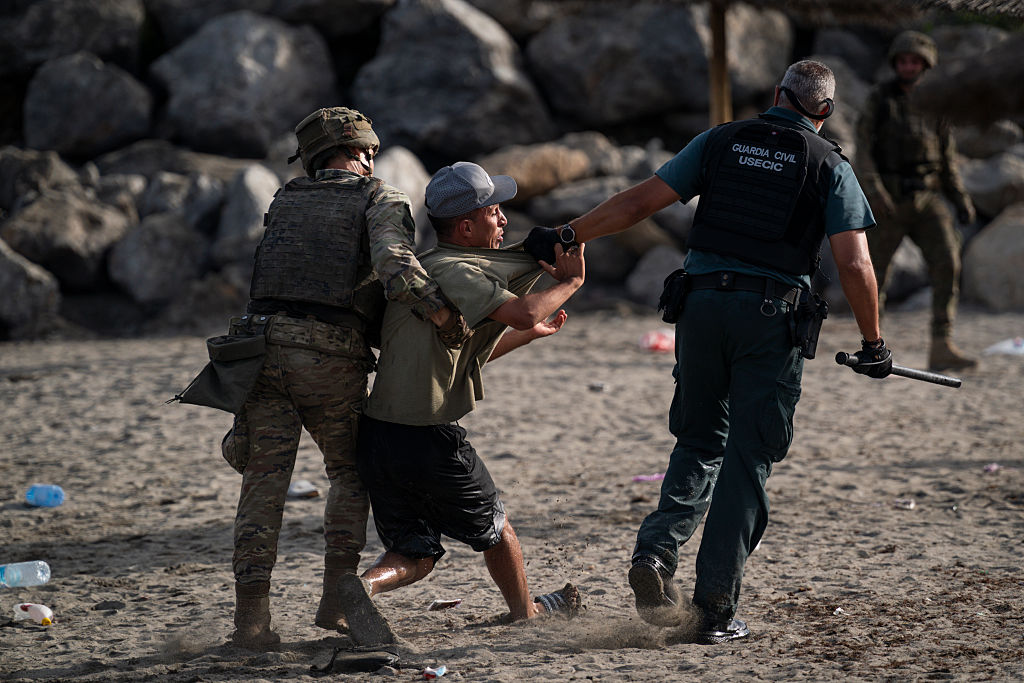
Kathmandu— Last week, over fifty thousand people attempted to cross into Ceuta, a Spanish exclave in North Africa, leading to seventy deaths. This incident underscores decades of increasingly stringent border controls that have made such desperate attempts more common. The chaos at Ceuta is not due to lax enforcement but rather the result of hardened policies and militarized borders.
Historical Context of Border Hardening
The Ceuta border was fenced off in the early 1990s as Europe began shutting down traditional migration patterns. This move led to a spike in migration by those fearing permanent loss of access to Europe. Post-9/11, border surveillance and enforcement intensified further with EU powers expanding and Frontex deploying forces near North Africa since 2006.
Humanitarian Impact
The humanitarian NGO No Name Kitchen reported running out of food and supplies as they responded to thousands of crossing attempts throughout the year. The incident highlighted the overwhelming impact on local communities and raised questions about the effectiveness and morality of current border enforcement strategies.
Political Implications
The Ceuta crisis has become a test for Europe’s moral and organizational capacities, especially in light of the EU's new hard-line Migration Pact. Spanish Premier Pedro Sánchez criticized some European leaders' reactions as “selfish and unlawful,” reflecting internal divisions within the bloc over migration policies.
Weaponization of Migration
Many have accused Morocco of weaponizing migration to pressure Spain, particularly regarding Western Sahara. This strategy has implications for how migrants are perceived and treated, often leading to dehumanization and justification of violence against them by various states and entities.
Future Challenges
As real crises such as climate change, wars, and economic stagnation continue to accelerate, incidents like those in Ceuta will likely become more frequent. Addressing these challenges requires a broader transformative politics that goes beyond debates about border control and focuses on labor protections, public services for all, and ending global inequality.
The Ceuta incident is a stark reminder of the complex interplay between geopolitical tensions, humanitarian crises, and migration policies. It calls for urgent action to address the root causes of displacement and to develop more humane and effective solutions.
(With inputs from Jacobin)
Originally published on abcnews.com.np.





प्रतिक्रिया दिनुहोस्