

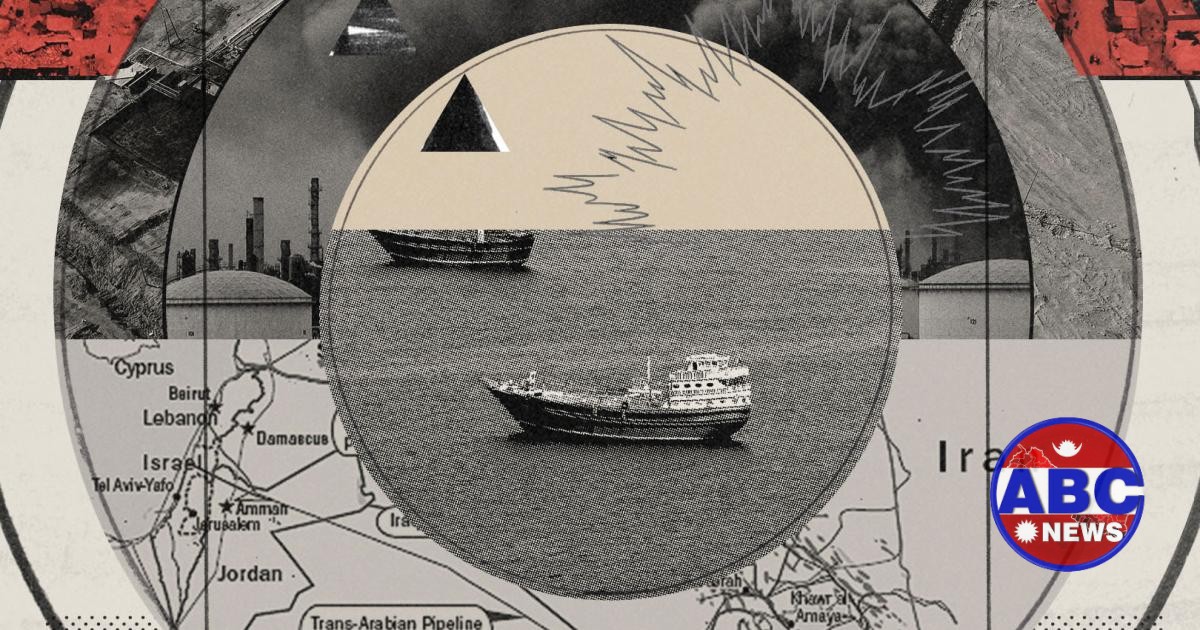
Kathmandu— After years of intense warfare involving Iran, Israel, and their regional allies, the Middle East continues to grapple with unresolved conflicts and weakened states. The cease-fire signed by Iran and the United States in June 2026 underscores the failure to fundamentally alter the region's power dynamics, leaving millions displaced and suffering while key issues like Palestinian self-determination remain unaddressed.
Failed Ceasefire Framework
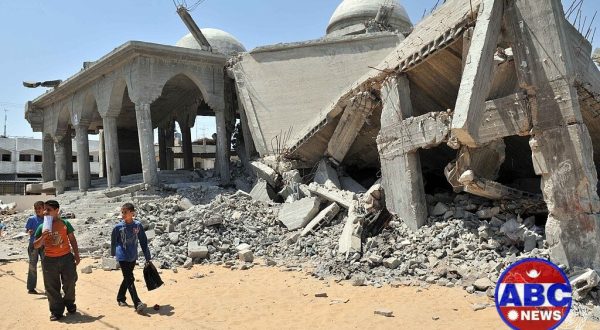
The cease-fire agreement between Iran and the United States in June 2026 has not brought about significant changes. Tehran remains largely intact, with its Revolutionary Guard Corps still committed to opposing Israel and meddling in weak Arab states. The conflict's toll includes tens of thousands of lives lost, primarily Palestinians, yet the core issues persist without resolution.
Stalemate in Israeli-Palestinian Conflict
Despite extensive military operations by Israel against Hamas and Hezbollah, the situation in Gaza, the West Bank, and Israel remains largely unchanged. The Palestinian Authority's role is undermined, while Israel shows no signs of compromise towards a political settlement that would ensure Palestinian self-determination.
Regional Power Dynamics Unaltered
The Gulf states have suffered significant damage from Iranian retaliation but remain reliant on the United States for security. The Abraham Accords, aimed at normalizing relations between Israel and Arab countries, have stalled due to increased political risks following recent conflicts.
Weak Central Governments Persist
The region's weak central governments in Iraq, Lebanon, Syria, and Yemen continue to struggle with civil war or domestic unrest. This instability prevents the establishment of durable peace and allows non-state actors to pursue their own foreign policies.
As the cease-fire holds tenuously, the countdown to the next conflict is already underway, highlighting the need for diplomatic efforts to address the underlying issues.
(With inputs from Foreign Affairs)
Originally published on abcnews.com.np.



प्रतिक्रिया दिनुहोस्