

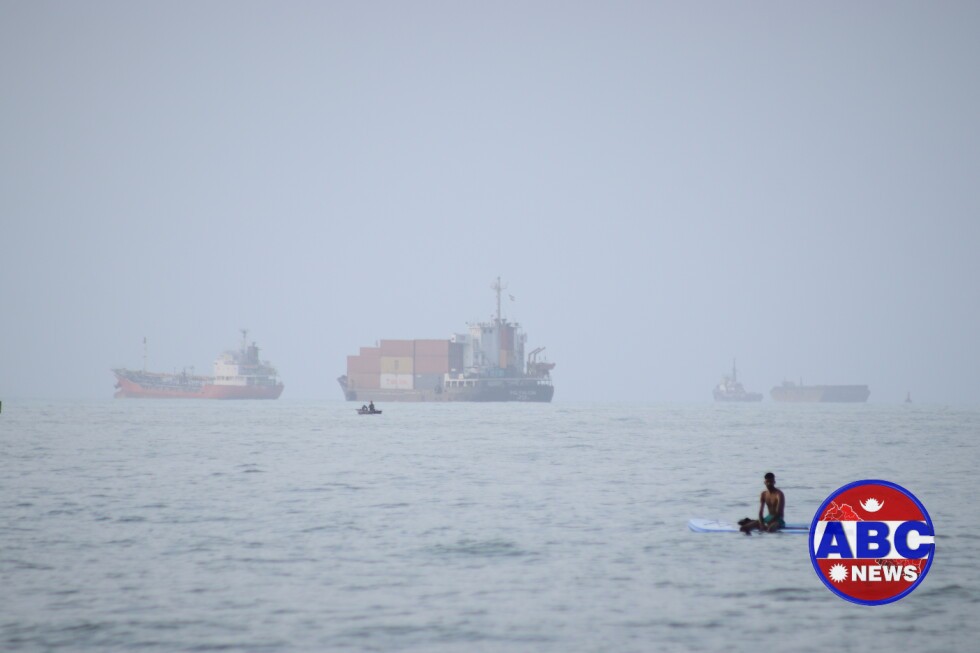
Kathmandu— Iran and Oman have made significant progress toward an agreement to reopen the strategically vital Strait of Hormuz, which has been largely shut down by Iranian attacks. The emerging deal would see ships entering through an Iranian-controlled route and exiting via an Omani one, with service fees charged for security and environmental protection. However, negotiations are still ongoing, and any final agreement could be linked to lifting U.S. sanctions on Iran’s ports.
Strategic Implications
The potential reopening of the Strait of Hormuz would mark a significant strategic victory for Tehran if it formalizes Iranian control over the waterway. The strait is crucial, as one-fifth of the world’s traded oil and gas transited through it before hostilities escalated. Any agreement that grants Iran de facto control could face opposition from the U.S., which remains committed to maintaining open international waters without any party exerting dominance.
Sagar Meghani, AP Washington correspondent, reported on Tuesday that regional officials are optimistic about progress in talks but noted that details remain unclear and negotiations continue behind closed doors.
U.S. Stance
The U.S., under mounting pressure to end the conflict ahead of midterm elections, is cautious about endorsing any deal that would give Iran control over the strait. President Donald Trump reiterated his stance against tolls in the strait during a press conference on Monday, saying, “I’m not going to let them charge.”
U.S. officials have also expressed reservations. Secretary of State Marco Rubio said there has been progress but no final agreement yet, while Treasury Secretary Scott Bessent suggested that a deal could be reached soon, emphasizing freedom of movement through the strait.
The potential reopening of the Strait of Hormuz remains contingent on ongoing negotiations and the willingness of all parties to reach a mutually acceptable agreement.
(With inputs from AP)
Originally published on abcnews.com.np.





प्रतिक्रिया दिनुहोस्