

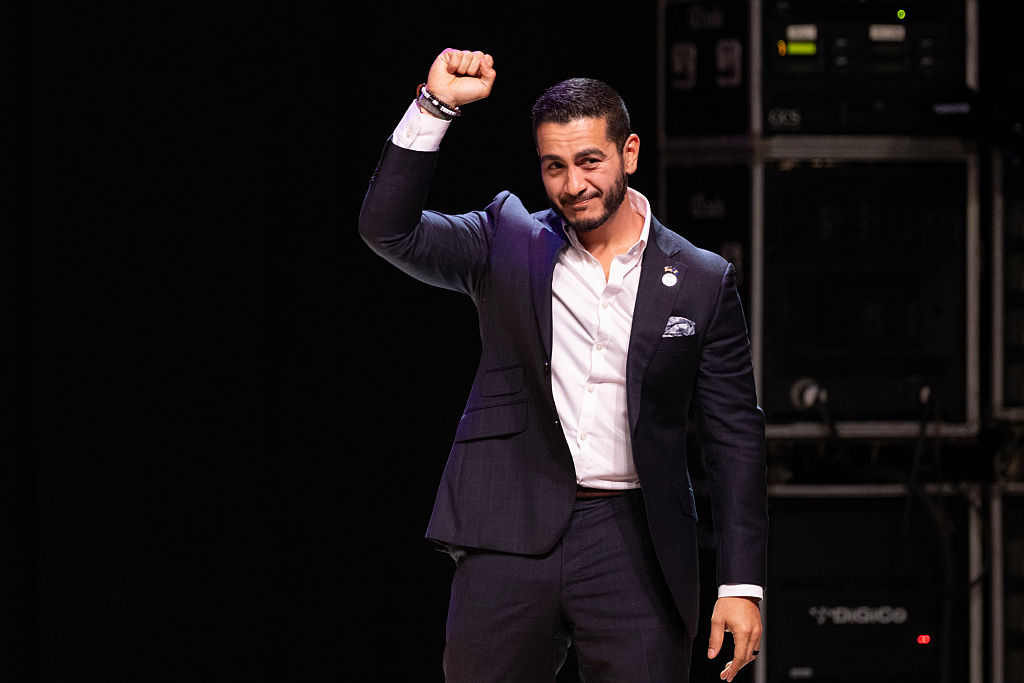
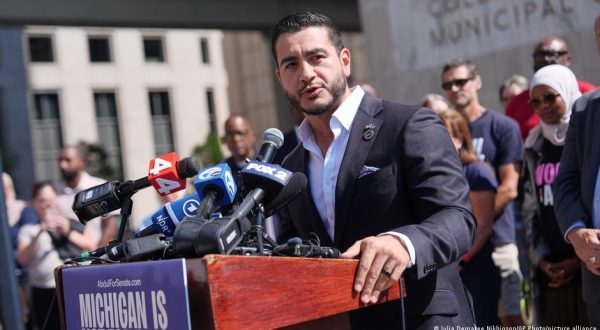
Kathmandu— Abdul El-Sayed secured a narrow victory in the Michigan primary election, defeating centrist candidate Haley Stevens despite being vastly outspent. The result underscores a growing trend among Democratic voters towards progressive candidates and highlights the diminishing influence of establishment politics within the party.
Shift in Democratic Electorate
The victory of Abdul El-Sayed over centrist candidate Haley Stevens is part of a broader pattern of left-wing candidates triumphing over their more moderate counterparts. This trend was evident in previous elections, such as Zohran Mamdani’s win in New York and the primary election in Maine where voters favored left-populist candidates over establishment incumbents. El-Sayed's victory further solidifies this shift among Democratic voters towards progressive policies and candidates.
Overcoming Right-Wing Spending
El-Sayed’s win is particularly noteworthy given the massive financial support Stevens received from pro-Israel lobbying groups like AIPAC. In 2022, Stevens won her primary race with over $3 million in outside spending. This time around, Stevens faced nearly $32 million in funding from AIPAC and another $30 million from corporate interests, making it the most expensive Senate primary ever held in Michigan. Despite this overwhelming financial advantage, El-Sayed managed to secure a narrow victory, demonstrating the resilience of grassroots support for progressive candidates.
Impact on US-Israel Relations
The race also marks a significant shift in the Democratic Party's stance towards Israel. Stevens heavily relied on her pro-Israel credentials and received substantial funding from AIPAC to counter El-Sayed’s criticism of Israeli policies, particularly regarding Gaza. However, this strategy backfired as voters increasingly prioritize domestic issues over foreign policy stances. The victory of El-Sayed signals a growing skepticism among Democrats about the influence of pro-Israel lobbying groups.
Strategic Pragmatism and Coalition Building
El-Sayed’s success can be attributed to his strategic pragmatism and ability to build broad coalitions. Despite not being a member of the Democratic Socialists of America (DSA), El-Sayed received crucial support from DSA members due to their overlapping policy goals, such as Medicare for All and taxing the rich. He also distanced himself from controversial slogans like “Defund the Police” and won endorsements from law enforcement groups, mirroring Bernie Sanders’ approach in his political career.
Historic Milestone
El-Sayed’s victory is historic not only for its policy implications but also for breaking barriers of racial and religious discrimination. As a proud Muslim and Arab American, El-Sayed faced significant backlash from both Republican and Democratic opponents who employed dog-whistle tactics reminiscent of past racially charged campaigns. Despite these challenges, his win marks an important step towards greater inclusivity in American politics.
As the election moves to the general phase, it remains uncertain how El-Sayed will fare against Republican candidates. However, his primary victory serves as a powerful reminder of the potential for progressive change despite overwhelming financial opposition.
(With inputs from Jacobin)
Originally published on abcnews.com.np.





प्रतिक्रिया दिनुहोस्