

Kathmandu— The German government is facing criticism over the efficiency of its military procurement processes as it seeks to modernize and expand the Bundeswehr. With defense spending on the rise, reaching €82.7 billion in 2026 with plans to increase to €152 billion by 2029, concerns are growing that these vast sums may not be spent effectively without reforming procurement structures.
Challenges of Modernizing Defense Spending
Defense analyst Nico Lange, who previously worked for the German Defense Ministry, expressed skepticism about the current strategy. "It's the same dysfunctional system as before," he told Web.de. "They're just pouring significantly more money into it." The scrapping of the €100 billion Franco-German fighter jet project in June further highlights these concerns.
Andreas Schwarz, a Social Democrat member of the Bundestag defense committee, observed that the war in Ukraine has altered the landscape of modern warfare. During his visit to Ukraine earlier this month, he noted that Ukrainian officials were more interested in drones and ammunition than traditional heavy weapons like Taurus rockets or Leopard tanks.
Balancing Legacy Systems with Modern Technology
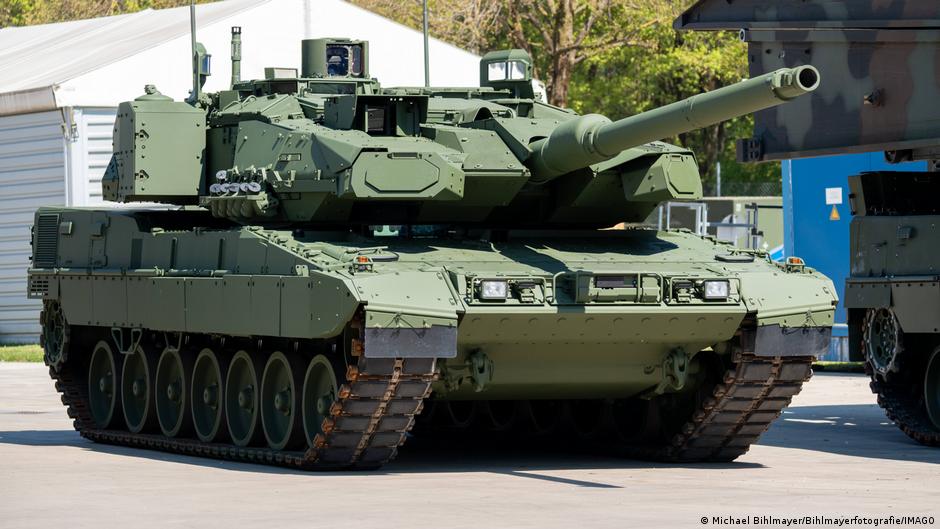
Max Becker, a policy fellow at the German Council on Foreign Relations (DGAP), argued that while modern technology is crucial, legacy systems such as tanks and artillery remain important for capturing and holding territory. "It's about having the right mix of legacy systems, which you still need, and drone technology," he said.
Schwarz echoed this sentiment, emphasizing the importance of both traditional and modern weaponry. "I don't want to say that we don't need tanks anymore — not at all, we're always going to need them," he stated. However, he questioned whether the Bundeswehr still needs such a large quantity of these systems.
Addressing Bureaucratic Obstacles
The slow and complex nature of defense procurement in Germany has been identified as a significant barrier to modernization. Andreas Schwarz pointed out that the arms industry's reliance on tried-and-tested technologies complicates efforts to adapt to new realities.
To address these issues, the German government introduced the Military Procurement Acceleration Law earlier this year, aiming to decentralize procurement processes and streamline decision-making. Becker welcomed these measures but stressed the need for a manufacturing infrastructure capable of rapid production in response to evolving threats.
(With inputs from DW)
Originally published on abcnews.com.np.






प्रतिक्रिया दिनुहोस्