

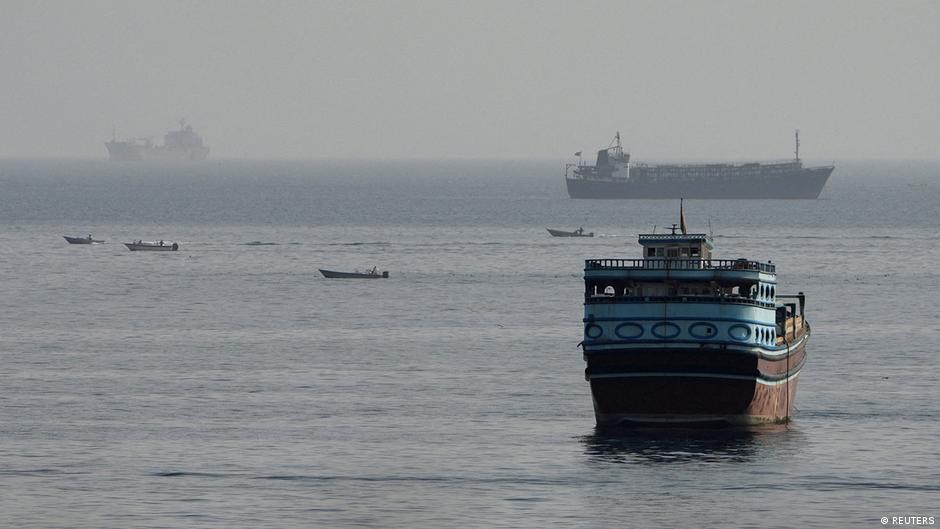
Kathmandu— Iran and Oman are in the final stages of drafting an agreement to establish a new maritime navigation route through the Strait of Hormuz, according to Iranian officials. The proposed arrangement, which has reportedly been negotiated without United States involvement, aims to create a temporary model for maritime traffic through the strategic waterway, though officials warn that the deal would not guarantee safety for all passing vessels.
Framework of the Proposed Agreement
Iranian Foreign Ministry spokesperson Esmail Baghaei stated that the agreement with Oman is currently in the final stage of review and drafting, provided no external parties interfere. The two Persian Gulf states have reportedly reached an agreement on the specific geographical coordinates for a navigation route through the strait.
Iranian Deputy Foreign Minister Kazem Gharibabadi clarified that the arrangement would not represent a full reopening of the waterway. Instead, the proposed model would be temporary, potentially remaining open for a duration of between two and four months.
Security and Economic Obstacles
The viability of the deal is complicated by ongoing geopolitical tensions and economic constraints. Industry sources cited by Reuters suggest that US sanctions and restrictive insurance clauses regarding payments pose significant hurdles to the plan. Furthermore, Tehran has argued that any reopening of the strait must be accompanied by an end to the US blockade of Iranian ports.
Additional complexities exist regarding the control of the waterway. While Iran has suggested that vessels passing through the strait should pay fees for safe passage, Oman has not supported unilateral Iranian control. Reports also indicate that Iran may plan to block US and Israeli ships from the waterway as part of the deal with Oman.
Strategic Implications and Divergent Goals
Analysts suggest that any agreement might serve as a tactical pause rather than a permanent settlement. Security analyst Shukriya Bradost noted that such a pause could benefit Washington by allowing the US to improve regional coordination and review military strategy, while Iran continues to face economic pressure and internal divisions. "If this period becomes merely a pause in tensions and Tehran fails to secure a tangible strategic gain, the passage of time may benefit the United States more than any other party," Bradost said.
Fundamental disagreements remain regarding the governance of the strait. Babak Dorbeiki, a London-based political analyst, noted that Tehran's desire for control over entering vessels directly conflicts with the United States' objective of ensuring completely free passage. Alireza Salavati, a political economy commentator, suggested both sides might claim the deal as a success: Iran by demonstrating reinforced leverage over the shipping lane, and the US by achieving relief from soaring energy prices.
Oman has not publicly commented on the reported negotiations, which Iran maintains were conducted independently of the United States.
(With inputs from DW)
Originally published on abcnews.com.np.



प्रतिक्रिया दिनुहोस्