

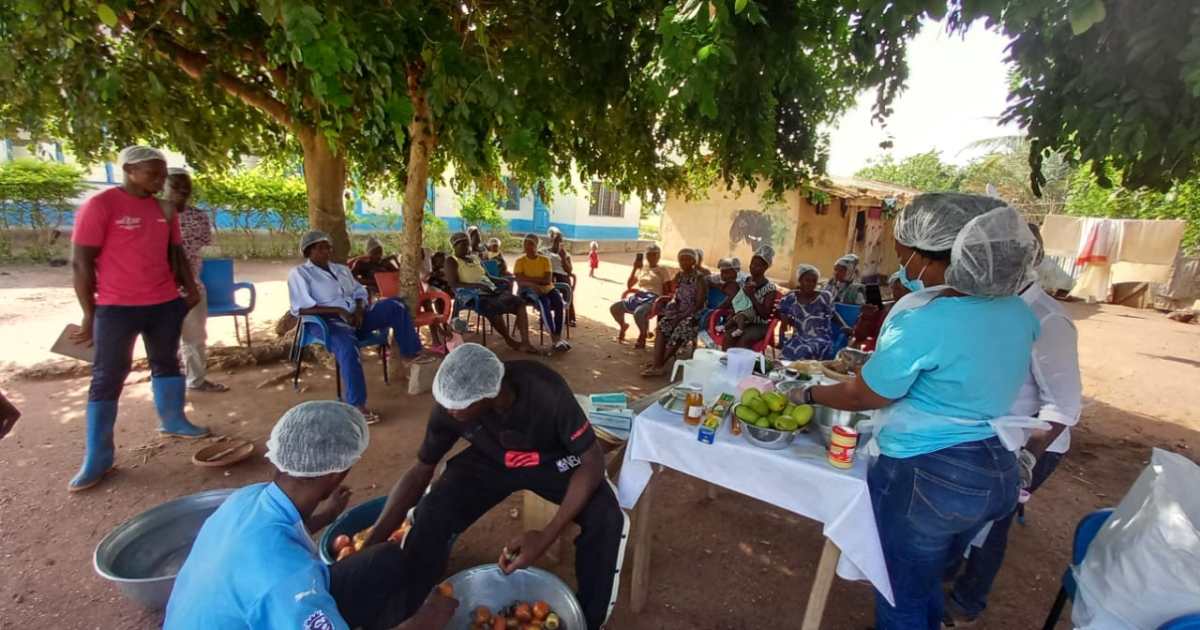
Kathmandu— Researchers and industry leaders in Ghana are working to transform the country's discarded cashew apples from agricultural waste into a lucrative new source of income for rural farming communities. While Ghana harvests approximately 250,000 tonnes of raw cashew nuts annually, the fleshy apples attached to the nuts are typically left to rot due to their extremely short shelf life and high tannin content. Through new research initiatives and preservation technologies, experts believe these fruits can finally be integrated into the market economy to drive agro-industrialization and diversify farmer revenue.
From Waste to Value
For decades, the cashew apple has remained largely outside the market economy because it begins to spoil within 24 hours of harvest. This rapid decay, combined with the fruit's high tannin content which affects taste, has historically made transportation and processing nearly impossible for local farmers.
To combat these issues, the MA-CASH research initiative, led by food post-harvest scientist Francisca Aba Ansah, has developed technology that allows farmers to preserve the fruit for up to six days before shipping it to processing centers. Researchers have successfully tested products including juice, juice blends, sausages, and bagels made from the fruit. Ansah noted that the project aims to maximize gains from cashew production for youth development by exploring various processing options.
Challenges in the Supply Chain
Despite the potential for new revenue, significant barriers remain in building a reliable supply chain. Raphael Godlove Ahenu, National Coordinator of Cashew Watch Ghana, warned that previous attempts to establish processing plants failed because companies could not secure a consistent supply from farmers.
Financial constraints also play a major role in farmer decision-making. Many farmers rely on advance financing from export buyers in markets like India and Vietnam, which often compels them to sell their nuts to those buyers before they can explore other opportunities. This cycle makes it difficult for farmers to participate in new value chains even when the technology to process the fruit is available.
Economic and Strategic Potential
The shift toward cashew apple upcycling is seen as a way to strengthen the agricultural sector and improve credit access for rural communities. Aaron Owusu Nketia, a financial adviser in the Bono Region, suggested that if the government establishes processing factories, the additional revenue streams could encourage banks to provide more loans to farmers.
Government officials are increasingly viewing the fruit as a strategic asset. Andrews Osei Okrah, CEO of the Tree Crops Development Authority, stated that the cashew apple is now recognized as a strategic economic resource with the potential to drive agro-industrialization and improve rural livelihoods.
As the next harvest season approaches, the success of this initiative will depend on whether Ghana can secure the sustained investment and coordinated action necessary to build a functional value chain from farm to consumer.
(With inputs from Al Jazeera)
Originally published on abcnews.com.np.






प्रतिक्रिया दिनुहोस्