

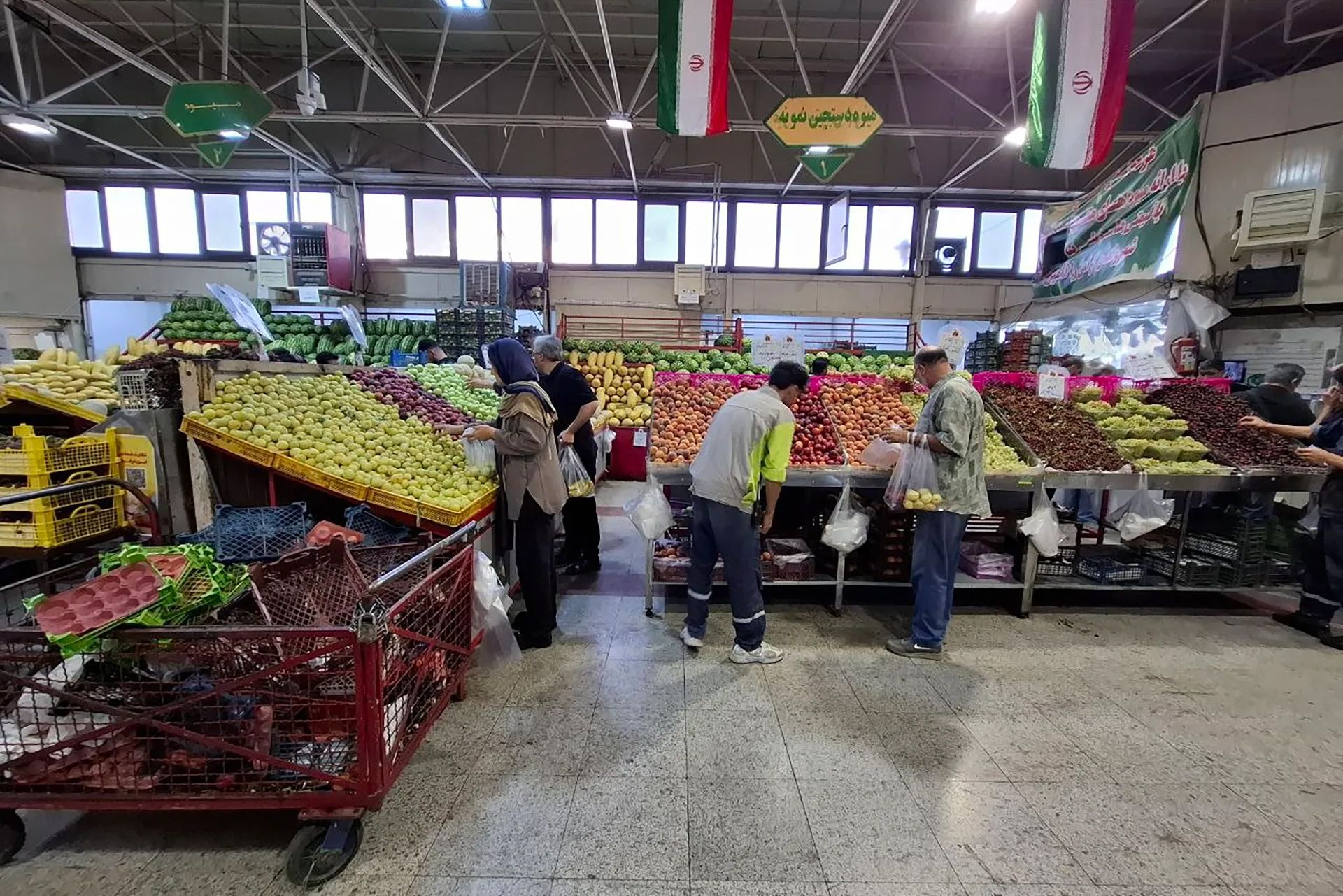
Kathmandu— Across Iran, from the bustling streets of Tehran to quieter neighborhoods, families are grappling with rapidly rising food prices fueled by economic pressures and ongoing geopolitical tensions. The cost of essential goods has surged, leaving many Iranians struggling to afford basic necessities and forcing them to make difficult choices about what they can put on their tables. Recent data indicates a 128 percent increase in food inflation over the past month, exacerbating financial strain for citizens already burdened by a declining national currency and years of economic hardship.
A Daily Struggle for Affordability
On Fadaeiyan-e Islam Street in southern Tehran, shoppers carefully scrutinize price tags before reluctantly abandoning purchases. One woman in her 50s lamented that inflation is “almost wiping out our dining table,” noting prices have doubled across the board. Another shopper, Sheila, a soon-to-retire Ministry of Education employee, explained that her salary now only covers food costs, whereas it previously covered all household needs. The rising cost of living has forced many to cut back on staples like meat and high-quality oils.
Middle Class Feels the Pinch
The economic hardship isn’t limited to low-income families. Maziar, a 45-year-old man working at a private company, described giving up luxuries like red meat and premium rice. He rushes to buy necessities as soon as he receives his salary, fearing further price increases. “It might sound like a funny joke, but unfortunately, it is a bitter tragedy,” he said. Even in wealthier areas like Tajrish Square, grocery store owners report a decline in purchasing activity.
Merchants Face Uncertainty
Mahmoud, a 63-year-old grocery store owner in Tajrish Square, noted that prices change daily and wholesale costs are constantly rising. Customers, even wealthy ones, now primarily inquire about prices rather than making purchases, with some requesting credit—a difficult proposition given the volatile market. “I have been a merchant for over 40 years, and I have never seen conditions like these,” he stated, adding that markets were more active even during the Iran-Iraq War.
Widespread Inflation Across Key Commodities
Data from the Statistical Centre of Iran reveals widespread inflation across most commodities. Oils and fats experienced a staggering 261.5 percent price increase, while dairy products rose by 147.1 percent and meat prices jumped by 145.2 percent. Even bread—a staple for many Iranians—saw a significant price hike of 116.7 percent. Maryam, a 34-year-old architect, shared that she and her husband, both employed in the private sector, are struggling to maintain their previous standard of living.
‘The Wealthy Poor’
Maryam described how her family has transitioned from being high-income earners to “the wealthy poor,” as the poverty line in Tehran has risen to 900 million rials (approximately $654). Despite facing war pressure and economic challenges, Iran's economy—characterized by a diversified domestic sector and reliance on self-sufficiency—has not yet collapsed.
The situation remains precarious for many Iranian families as they navigate the ongoing economic crisis. The government faces increasing pressure to address rising inflation and provide relief to citizens struggling with the cost of living.
(With inputs from Al Jazeera)
Originally published on abcnews.com.np.


प्रतिक्रिया दिनुहोस्