

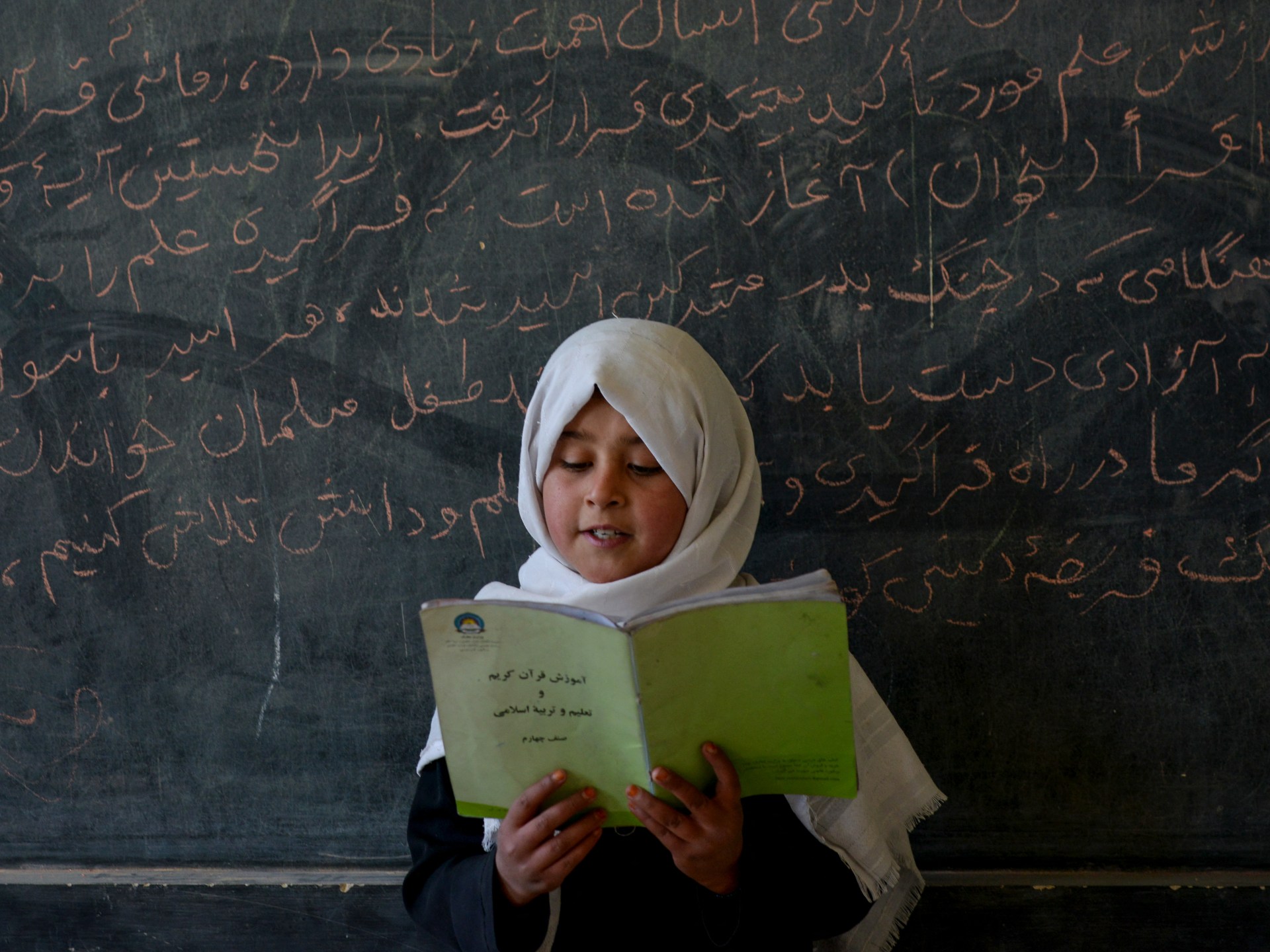
Kathmandu— Approximately 2.4 million girls in Afghanistan are currently prevented from attending secondary school, according to a recent statement by the United Nations cultural agency, UNESCO. The figure represents an increase of 200,000 since last year and is projected to rise to nearly four million by 2030 if the Taliban government does not reverse its policies restricting female education. Afghanistan remains unique globally in prohibiting girls and women from accessing secondary and higher education, a situation the UN has characterized as “gender apartheid.”
Escalating Education Crisis
UNESCO reported on Tuesday that the number of Afghan girls denied access to secondary education continues to grow. The agency projects this number could reach four million by 2030 if current policies remain in place. This ban, enacted in March 2022 for secondary schools and December 2022 for universities following the Taliban’s return to power, has drawn international condemnation.
Impact on Teaching Staff
The Taliban administration's restrictions extend beyond students, also banning women from teaching boys. The UN reports this measure has depleted qualified personnel within the education system and left many male students under the instruction of untrained teachers. UNESCO projects a shortfall of over 11,000 qualified female teachers by 2030 as a direct result.
Systemic Challenges Compound the Problem
The ban on girls’ education exacerbates existing issues within Afghanistan's educational infrastructure and economy. Many schools are overcrowded and lack basic necessities; nearly half do not have access to water, sanitation, or heating. Furthermore, natural disasters have forced approximately one thousand schools to close over the past five years.
Widespread Illiteracy Concerns
Beyond secondary education, Afghanistan faces significant challenges at the primary level, with over two million children currently out of school. UNESCO data indicates that ninety percent of 10-year-olds are unable to read a simple text, resulting in a national literacy rate of just 37 percent.
The Taliban government has so far dismissed international appeals to lift the ban on girls’ education, maintaining it is an internal matter. The future of female education in Afghanistan remains uncertain as the country faces compounding educational and economic challenges.
(With inputs from Al Jazeera)
Originally published on abcnews.com.np.




प्रतिक्रिया दिनुहोस्