

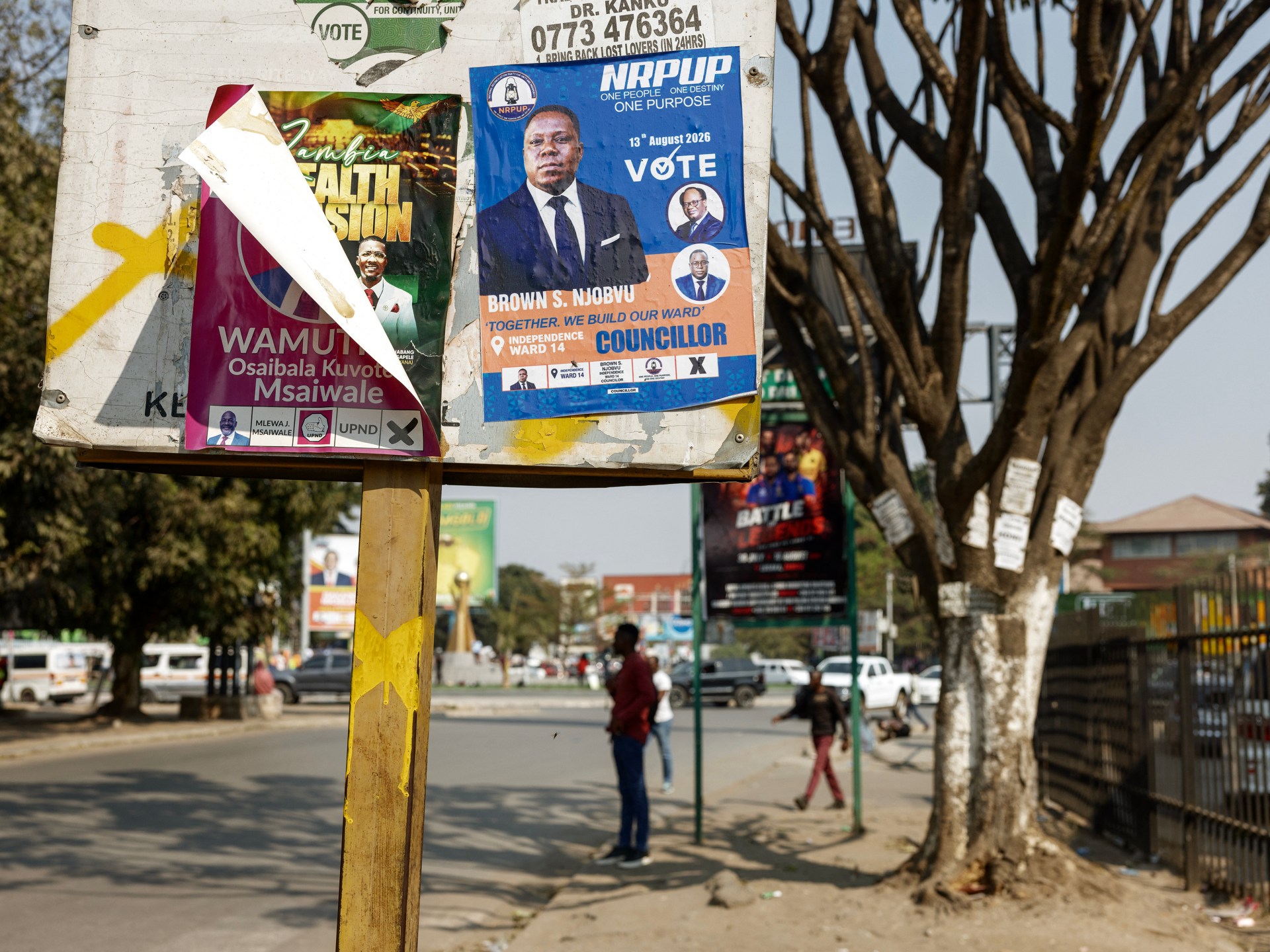
Kathmandu— Zambians are voting on August 13 in general elections that will serve as a critical assessment of whether recent economic reforms have improved living conditions for citizens. Approximately 8.79 million registered voters will choose between fourteen presidential candidates, including incumbent Hakainde Hichilema and opposition contender Brian Mundubile. The election is taking place against a backdrop of falling inflation but persistent high costs for essential goods, alongside ongoing efforts to restructure the nation’s debt and boost copper production – all factors shaping voter concerns about household incomes and economic opportunity.
Economic Reforms Under Scrutiny
Hichilema’s government has highlighted progress in key areas such as debt restructuring and completion of an IMF-supported program. Inflation did fall to 6.8 percent in April, according to the Zambia Statistics Agency. However, many citizens have yet to experience tangible benefits from these macroeconomic improvements. Joan Chirwa, a human rights defender and veteran journalist, explained that voters are increasingly focused on whether reforms translate into better household incomes and living conditions. While acknowledging progress on debt and the IMF program, she noted that high costs for food, fuel, and electricity continue to strain households.
Bridging the Gap Between Recovery and Lived Experience
Analysts emphasize a disconnect between macroeconomic recovery and the daily realities faced by ordinary Zambians. Wellington Muzengeza, an independent political risk analyst, stated the election is likely to be shaped by this gap. The government can point to restored international credibility and investments in education and mining, but voters are more concerned with issues like food prices, employment prospects, and reliable public services. Levy Ndou, a lecturer at Tshwane University of Technology, underscored that political parties must address the needs of the 60 percent of the population living below the national poverty line.
Copper’s Role in Zambia’s Future
The mining sector, particularly copper, is central to Zambia’s economy, accounting for approximately 70 percent of export earnings and over 10 percent of GDP. The government aims to increase annual copper production to 3 million tonnes. However, the debate extends beyond output figures to how revenue from this resource benefits Zambians. Chirwa questioned how much mining revenue reaches the wider economy and improves lives, adding that whoever wins the election will face pressure to demonstrate tangible benefits for the population. Muzengeza emphasized the need to ensure mineral wealth translates into secure jobs, local procurement opportunities, and stronger communities.
Debt Restructuring and Sustainable Progress
Debt restructuring is considered a significant achievement by analysts, reducing immediate financial pressures and restoring Zambia’s international standing. However, Muzengeza cautioned that progress on sovereign debt does not automatically improve household incomes or living standards. He noted the government has a credible macroeconomic story but that sound economic management must ultimately gain broad public support. Ndou also raised concerns about regulating the copper sector and ensuring equitable revenue sharing to prevent exploitation and benefit Zambians.
A History of Democratic Transitions
Zambia is considered one of Southern Africa’s stronger democracies, having experienced six presidents from three political parties since the return to multiparty elections in 1991. However, some transitions have been marked by political tension. Hichilema himself faced significant challenges, narrowly losing the 2015 and 2016 elections and being arrested on treason charges in 2017 before ultimately winning the presidency in 2021 after five attempts.
The outcome of this election will likely depend on whether voters believe the economic improvements are reaching their households quickly and fairly enough to justify a second term for Hichilema.
(With inputs from Al Jazeera)
Originally published on abcnews.com.np.




प्रतिक्रिया दिनुहोस्