

Kathmandu— United States consumer inflation slowed slightly in July, rising 3.4 percent compared to the same period last year, according to data released Wednesday by the Department of Labor’s Bureau of Labor Statistics (BLS). The increase was tempered by a short-lived retreat in energy prices, which fell 1.5 percent for the month but remain significantly higher than they were a year ago—up 14.7 percent overall. These figures come as shipping continues to be disrupted due to Iran’s establishment of a maritime “toll booth” in the Strait of Hormuz following military action by the US and Israel in late February, impacting global energy markets and contributing to economic pressures.
Energy Price Fluctuations
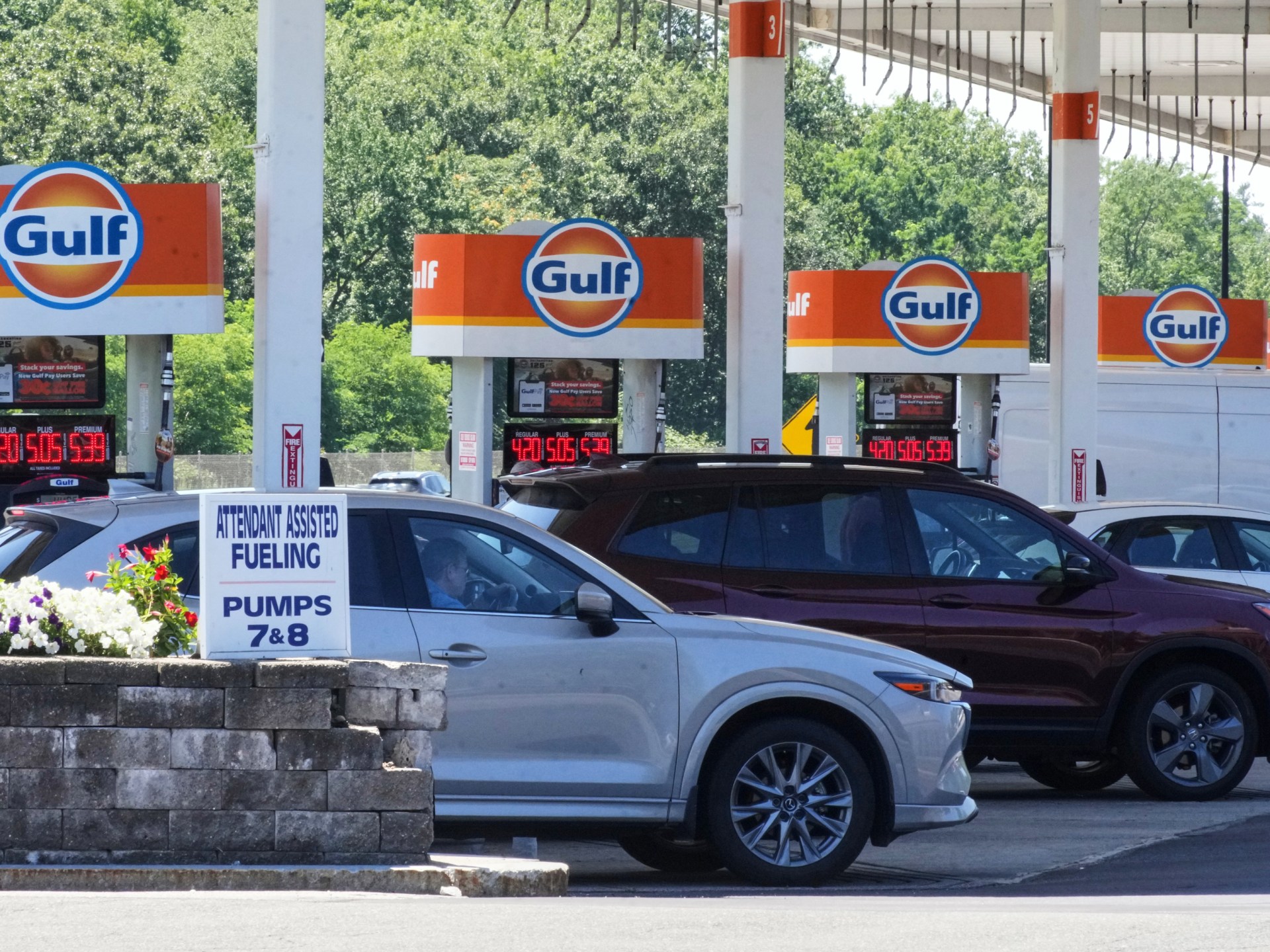
While energy prices declined modestly in July, they remain a primary driver of overall inflation. Brent crude oil futures rose 0.3 percent on Wednesday to $89.19 per barrel after briefly falling last week amid hopes for the reopening of the Strait of Hormuz—hopes that ultimately did not materialize. Petrol prices also saw a temporary dip, dropping 2.9 percent from last month but surging 39.1 percent compared to a year ago. The average price for a gallon of petrol is currently $4.03, up from $2.98 per gallon in late February when the conflict involving Iran began.
Broader Economic Pressures
The latest inflation data arrives alongside a lackluster jobs report, which showed a loss of 23,000 jobs in the US economy last month, particularly in retail trade, local government, and hospitality. The Jobs and Labor Turnover Report (JOLTS) indicated little change in job openings or resignations, suggesting a stagnant labor market. These factors are placing pressure on the Federal Reserve as it attempts to achieve its 2 percent inflation target. In July, the central bank maintained interest rates at 3.50–3.75 percent.
Federal Reserve Outlook
Economists are divided on the future path of interest rates, with the next policy meeting scheduled for September 16 under new chairman Kevin Warsh, who succeeded Jerome Powell in May. CME FedWatch currently forecasts a 61.6 percent probability that the Federal Reserve will maintain current rates, while there is a 38.4 percent chance they will be increased to 3.75–4.00 percent. US markets responded positively to the inflation news, with the Nasdaq up 0.7 percent and the S&P 500 rising by 0.3 percent.
Political Implications
The inflationary pressures are occurring in the lead-up to upcoming midterm elections, with only two more inflation reports expected before voters head to the polls. A recent Reuters/Ipsos poll revealed a close divide among Americans regarding which party is better equipped to handle the economy, with 37 percent favoring Democrats and 36 percent supporting Republicans.
The combination of slowing inflation, a sluggish job market, and upcoming elections creates a complex economic landscape as the Federal Reserve weighs its next policy moves.
(With inputs from Al Jazeera)
Originally published on abcnews.com.np.






प्रतिक्रिया दिनुहोस्