

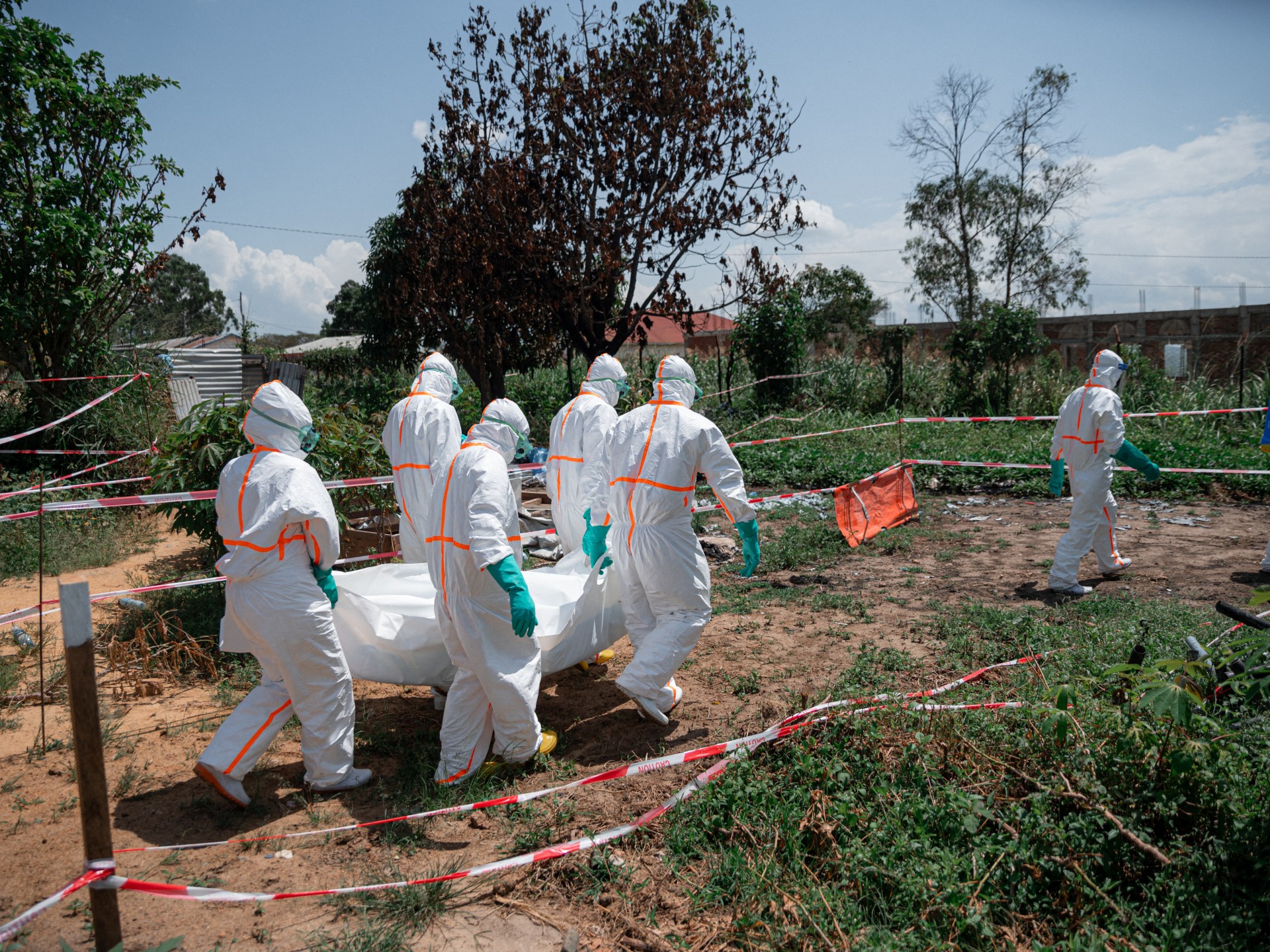
Kathmandu— The Ebola outbreak in the Democratic Republic of Congo has expanded to its sixth province, Bas-Uele, following a confirmed fatality in Buta, according to Jean Kaseya, head of the Africa Centres for Disease Control and Prevention. The current outbreak, which began circulating in February and was formally declared on May 15th, has already claimed 2,128 lives out of 4,566 recorded cases nationwide, spanning Ituri, North Kivu, South Kivu, Haut-Uele, Tshopo, and now Bas-Uele provinces. Health officials warn that without intensified efforts, the outbreak could surpass previous deadliest outbreaks and potentially spread internationally.
Escalating Case Numbers and Regional Spread
The World Health Organization (WHO) reports that this Ebola outbreak is spreading at a faster rate than any previously recorded. The virus initially emerged in Ituri province before extending to multiple regions within the DRC, demonstrating its increasing geographic reach. Kaseya cautioned that if containment efforts fail, the outbreak could last for over a year and become the largest on record.
Unique Viral Strain Poses Challenges
This particular outbreak is caused by the rare Bundibugyo strain of the Ebola virus, for which there are currently no approved vaccines or treatments. This lack of established medical countermeasures complicates efforts to control the spread and provide care to those infected. Clinical trials of two potential treatments began last month in Ituri province, offering a glimmer of hope.
Vaccine Trials Underway
The WHO is actively pursuing vaccine options, with two vaccines specifically developed for the Bundibugyo virus now undergoing testing on humans for the first time. Additionally, studies are being conducted to determine if an existing Ebola vaccine could offer protection against this specific strain, based on promising results from animal trials.
WHO Warns of Potential Record-Breaking Outbreak
WHO Director-General Tedros Adhanom Ghebreyesus stated that at the current rate of infection, this outbreak is projected to surpass the deadliest Ebola epidemic in history, which occurred over a decade ago and resulted in more than 11,000 deaths. While the WHO aims to reverse the spread within three months, officials acknowledge that complete eradication will likely take longer.
Health organizations are continuing to monitor the situation closely and implement response measures, including surveillance, contact tracing, and vaccination efforts where possible. The ongoing trials of potential treatments and vaccines represent crucial steps in combating this evolving public health crisis.
(With inputs from Al Jazeera)
Originally published on abcnews.com.np.






प्रतिक्रिया दिनुहोस्