

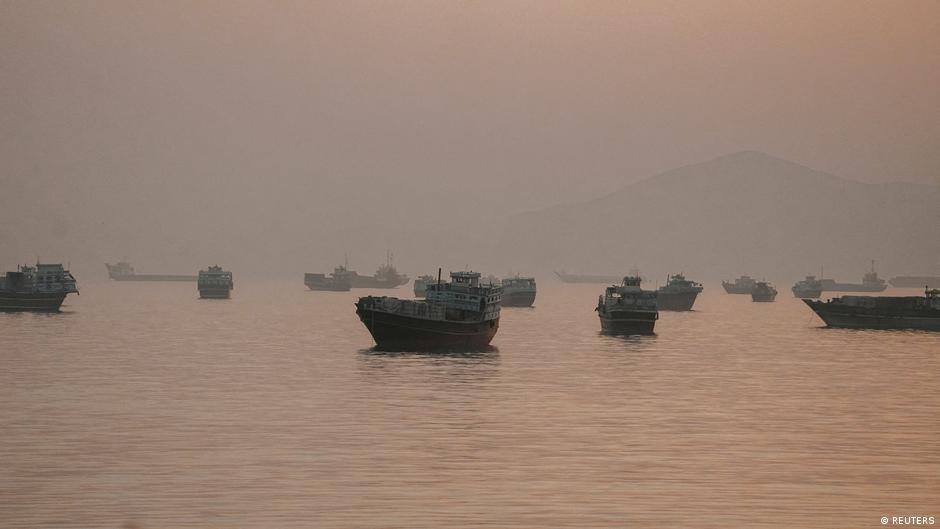
Kathmandu— Escalating tensions and blockades surrounding the Strait of Hormuz are forcing Gulf energy exporters to seek alternative pathways for crude shipments. The waterway, which previously carried around 20% of global crude exports, has been effectively closed due to Iranian insistence on US compliance with a framework agreement and compensation for alleged violations – claims disputed by US President Donald Trump who asserted Navy control over the strait. While Saudi Arabia has successfully redirected significant volumes through its East-West Pipeline, the United Arab Emirates faces limitations in utilizing existing infrastructure, highlighting the challenges of bypassing this vital chokepoint.
Saudi Arabia Demonstrates Bypass Potential
Saudi Arabia is leveraging the East-West Pipeline, which runs from its eastern oil fields to the Red Sea port of Yanbu, to maintain crude shipments despite the Hormuz disruption. Data from the International Monetary Fund’s Portwatch platform reveals a dramatic shift in cargo patterns: Gulf coast exports plummeted from 47.5 million tons in April and May of last year to just 6.3 million tons during the same period this year. Simultaneously, Red Sea exports surged from 29.6 million to 54.8 million tons, effectively replacing approximately 61% of the lost volume. This demonstrates that the pipeline is not simply an emergency measure but a crucial component in sustaining Saudi oil flows even with Hormuz closed.
UAE Infrastructure Faces Vulnerabilities
Despite possessing infrastructure like the Abu Dhabi Crude Oil Pipeline (ADCOP) and deepwater facilities at Fujairah and Khor Fakkan, the UAE has struggled to compensate for lost shipments. While these ports are located outside the Strait of Hormuz, they remain within range of Iranian drones and missiles, as evidenced by recent attacks on Emirati port infrastructure. Consequently, UAE Persian Gulf coast traffic fell from 68.5 million tons in April/May 2025 to just 12 million tons this year, with alternative ports also experiencing a decline – failing to absorb diverted cargo. The limited physical capacity of Fujairah and the persistent war risk are hindering effective bypass efforts.
Long-Term Solutions Face Hurdles
Experts acknowledge that new pipelines and longer sea routes offer potential long-term solutions, but they come with significant costs and timelines. Economist Hassan Mansour estimates a Basra-Aqaba pipeline could take five to seven years and cost $8-$10 billion, while a connection between Basra and Oman could reach $10-$15 billion. Rerouting ships around the Cape of Good Hope would add hundreds of thousands of dollars per voyage. These projects are therefore unable to address the immediate oil market crisis. Furthermore, alternative routes like the Red Sea present their own vulnerabilities, particularly at Bab al-Mandab where Houthi attacks pose a threat.
Regional Cooperation and Constraints
Israeli Prime Minister Benjamin Netanyahu has proposed establishing pipelines through Israel to Mediterranean ports as a permanent solution, while analysts note that Qatar, Kuwait, and Bahrain face greater challenges due to their lack of coastlines outside the Persian Gulf. These nations would require cooperation with other countries – potentially including Iraq, Syria, or Israel – to establish alternative routes, leaving them more dependent on Hormuz in the short term. Tehran-based political analyst Rahman Ghahremanpour warns that while pipelines can mitigate the impact of a Hormuz closure, they remain vulnerable to attack and that prolonged disruption could galvanize international opposition against Iran.
While Saudi Arabia has demonstrated some success in bypassing the Strait of Hormuz, existing alternative capacity remains limited. The long-term viability of these routes depends on addressing security concerns and securing substantial investment for new infrastructure.
(With inputs from DW)
Originally published on abcnews.com.np.





प्रतिक्रिया दिनुहोस्