

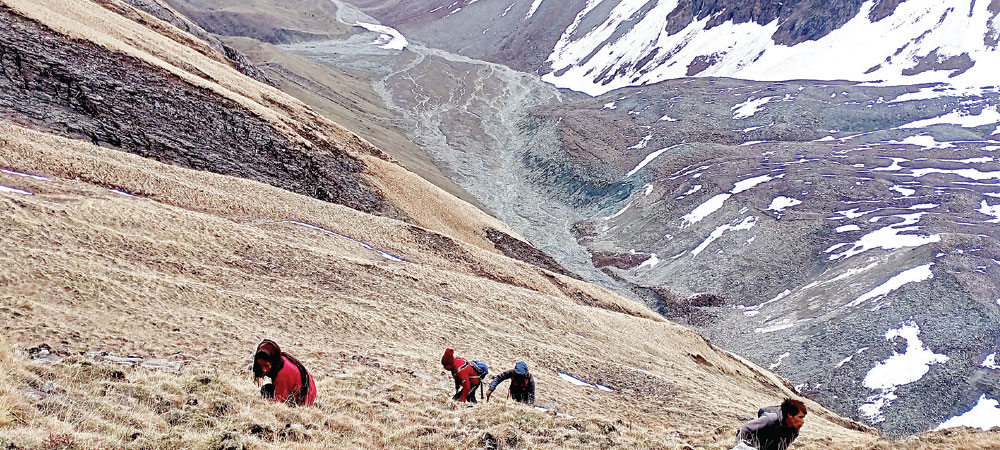
Kathmandu— The annual harvest of yarsagumba, a highly prized medicinal herb also known as ‘biological gold,’ has concluded in the high-altitude pasturelands of Upper Mugu, Nepal. During the last fiscal year, collectors exported 22 kilograms of the fungus from the district, generating Rs. 682,000 in revenue for local traders and authorities. The collection period runs from late spring to summer, drawing residents – including women and children – into remote and often dangerous terrain.
Yarsagumba Revenue and Regulations
According to Basanti Budha, information officer at the Division Forest Office in Mugu, the transportation of 22 kg of yarsagumba generated Rs. 682,000 in revenue. The office charges a fee of Rs. 31,000 per kilogram for transporting the fungus out of the district. Mugum Karmarong Rural Municipality also collected Rs. 2.847 million last financial year from permits issued to approximately 1,200 yarsagumba collectors, both local and from outside the district.
Collection Practices and Local Impact
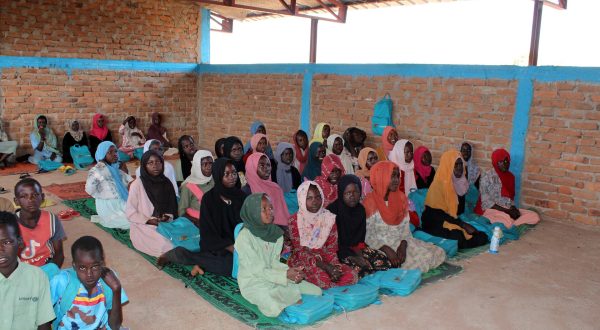
Yarsagumba is found in pasturelands within community forests in Mugu and Dolpu villages of Mugum Karmarong Rural Municipality. Chhiring Kyapne Lama, chairperson of the rural municipality, explained that collection typically begins in the first week of Jestha (May/June) as the growing areas become accessible after the snow melts. Local residents report that yarsagumba is purchased and sold locally for between Rs. 600 and Rs. 800 per piece, with traders paying between Rs. 1.8 million and Rs. 2 million per kilogram. The collection period significantly impacts local life; villages are often deserted as most able-bodied residents venture into the mountains, leading to school closures.
Risks and Value of Yarsagumba
Collectors face considerable hardship during the yarsagumba season, traveling for up to two days to reach high-altitude pastures while carrying essential supplies. The valuable fungus is often compared to gold in its international market price, incentivizing collectors to take risks in challenging terrain. Paljufutik Lama, a local resident, noted that the prime collection period extends from June/July to August. Collection without proper permits is prohibited and subject to fines and penalties.
The yarsagumba harvest remains an important economic activity for residents of Mugu district, though it presents significant challenges and risks for those involved in its collection.
(With inputs from RN)
Originally published on abcnews.com.np.




प्रतिक्रिया दिनुहोस्