

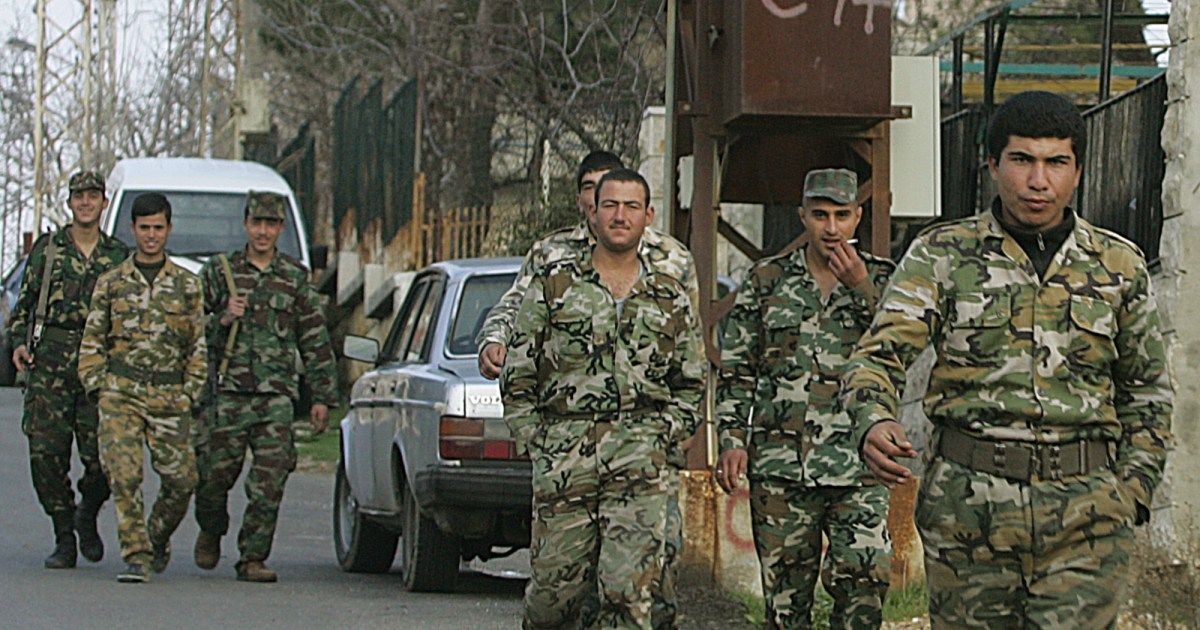
Kathmandu— The Syrian government is resisting calls from the United States to intervene against Hezbollah in Lebanon, recognizing that such a move would be excessively costly for Damascus. While Washington seeks to leverage this possibility as pressure on Iran, Syria faces significant risks – including strengthening Hezbollah politically, escalating regional conflict, and inviting potential Iranian retaliation – that outweigh any perceived benefits of military action. The Syrian government is assessing the implications of intervention, considering both limited border control measures and a more dangerous full-scale operation.
US Pressure and Syrian Concerns
The United States has been publicly suggesting Syrian intervention as a means to disarm Hezbollah in Lebanon, aiming to exert further pressure on Iran. However, Damascus views the situation differently, recognizing that intervening would be far more detrimental to its own interests than beneficial. A military deployment could inadvertently bolster Hezbollah’s political standing and destabilize both Syria and Lebanon.
Limited Operational Capacity
While Syria shares a long border with Lebanon and possesses some familiarity with Hezbollah's tactics due to past conflicts, its army is still undergoing unification and faces internal security and economic challenges. A broad operation would strain limited resources needed for domestic development and risk draining key state assets. The Syrian armed forces are capable of limited border operations but would struggle to hold territory or engage in a prolonged conflict within Lebanon’s populated areas.
Risk of Iranian Retaliation
Syria also faces the threat of retaliation from Iran should it intervene in Lebanon. Rather than direct military confrontation, Iran could leverage allied groups in Iraq to target Syrian military sites with drones and missiles or conduct security operations aimed at destabilizing Damascus. The July attack on US forces near al-Tanf demonstrated Iran’s willingness to use force within Syrian territory. Such actions would damage Syria's efforts to attract investment and rebuild its economy.
Political and International Ramifications
Intervention in Lebanon without a request from the Lebanese government would be seen as a violation of sovereignty, evoking memories of Syria’s previous military occupation which lasted until 2005. This could strengthen Hezbollah's position by framing the conflict as one against foreign interference. Furthermore, any attempt to disarm Hezbollah before an Israeli withdrawal from Lebanese territory would likely appear to serve Israel’s interests and undermine the Lebanese government’s authority.
A More Sustainable Approach
Instead of a full-scale intervention, Syria is more likely to pursue limited operations within its own territory – tightening border controls, closing smuggling routes, and sharing intelligence with the Lebanese army. This approach would limit Hezbollah's logistical capabilities without risking broader conflict or undermining Lebanese sovereignty. It also aligns with Damascus’ priorities of stability, economic recovery, and attracting investment.
Ultimately, Syria appears determined to avoid a new war while it focuses on recovering from its previous conflicts, making a large-scale intervention in Lebanon an unlikely prospect unless circumstances dramatically change.
(With inputs from Al Jazeera)
Originally published on abcnews.com.np.






प्रतिक्रिया दिनुहोस्