

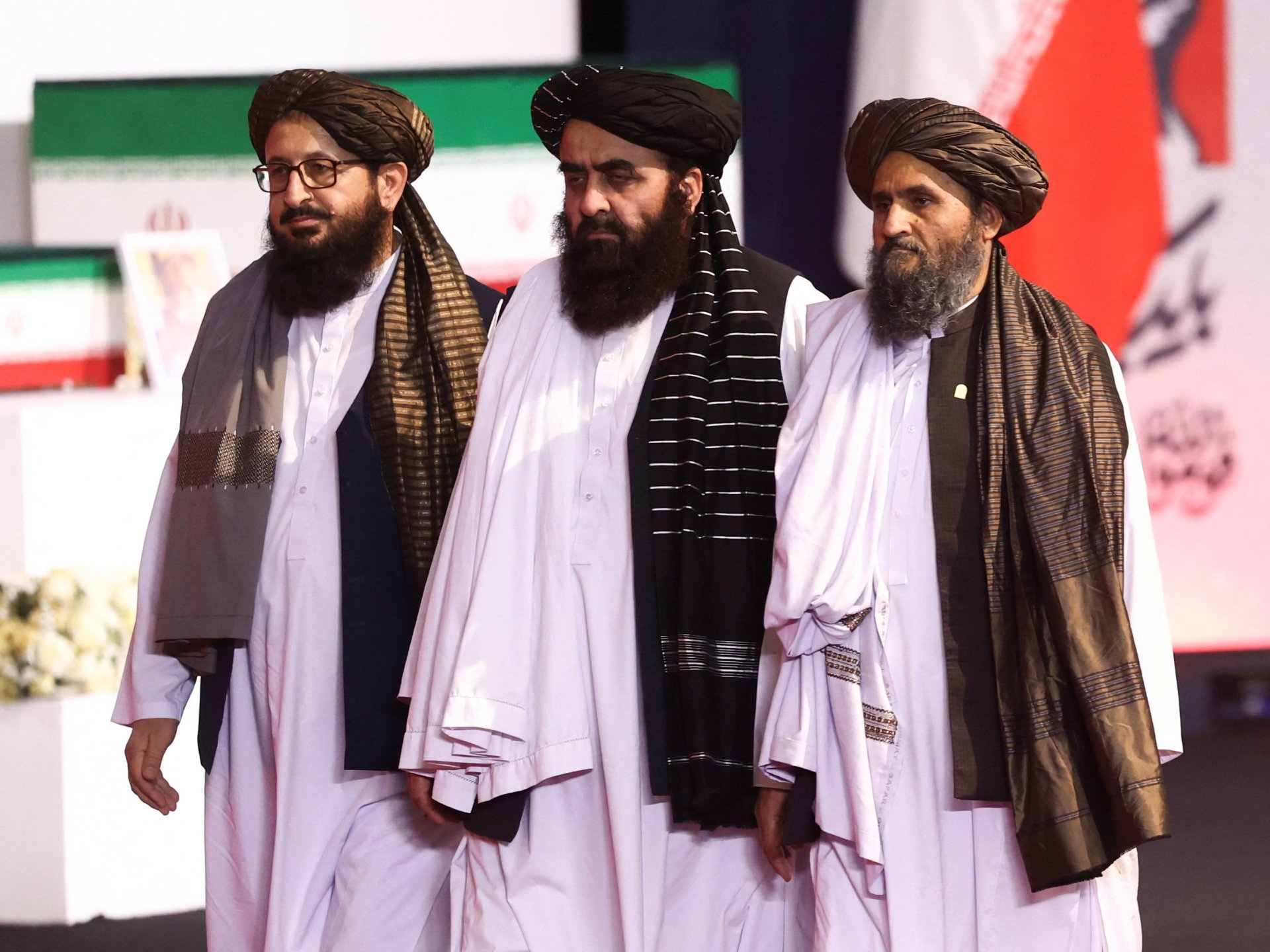
Kathmandu— Saturday marked five years since the Taliban regained control of Afghanistan, but rather than consolidating complete dominance, they face increasingly fragmented armed opposition. Numerous groups claiming responsibility for attacks have emerged in various provinces and amplified their online presence in recent months. While these groups haven't posed a significant territorial challenge to the Taliban, questions remain about whether their growing number represents genuine expansion or simply internal divisions within the resistance. The United Nations reports that while active, these armed groups do not control any fixed geographical areas.
Fragmented Resistance
Since the fall of Kabul in August 2021, a multitude of armed formations have appeared under different names—including the National Resistance Front, the Afghanistan Freedom Front, and over a dozen others. Their strategies vary, but many initially sought to establish bases outside Afghanistan, limiting their ability to build local support. Security affairs researcher Karim Amini explained that these groups attempted to revive armed opposition as a means of pressuring the Taliban, yet struggled to translate those efforts into an influential force on the ground.
Shifting Tactics and Limited Success
Recent clashes in Badakhshan province between government forces and the Afghanistan Freedom Front highlighted a shift towards longer confrontations, though security affairs researcher Abdul Karim Khan cautioned that sustained control of territory—including securing supply lines and expanding fighter networks—remains the true test. The opposition’s immediate objective appears to be wearing down the Taliban through continuous, albeit small-scale, operations rather than attempting large-scale territorial gains. Rafiullah Kakar, an expert on armed movements, noted that maintaining a consistent level of activity can force the Taliban to divert resources even without controlling significant areas.
The Role of Social Media and Verification Challenges
Alongside battlefield engagements, social media has become a crucial arena for these groups, requiring them to demonstrate their existence online as much as on the ground. Mohammad Nouri, an expert on digital media and armed conflict, emphasized the difficulty in verifying claims of responsibility, noting that statements alone are insufficient evidence and require corroboration through photographs, videos, and eyewitness testimony. Multiple organizations have even claimed responsibility for the same attacks, further complicating verification efforts.
Taliban Response and Public Sentiment
The Taliban downplays the threat posed by these armed groups, asserting control over all Afghan territory and claiming that opposition activity is largely confined to cyberspace. Spokesman Zabihullah Mujahid stated that Afghan society now prioritizes security and stability after decades of war and rejects a return to conflict. He argues that the population has grown weary of warlords and is unwilling to support another cycle of violence. However, despite maintaining control over cities and institutions, the Taliban continue to deploy forces in remote regions to counter surprise attacks.
While the proliferation of armed groups does not necessarily indicate an imminent civil war, it demonstrates that conflict persists in Afghanistan five years after the Taliban’s return to power. The opposition faces significant challenges in building a sustainable movement and presenting a viable political alternative.
(With inputs from Al Jazeera)
Originally published on abcnews.com.np.


प्रतिक्रिया दिनुहोस्