

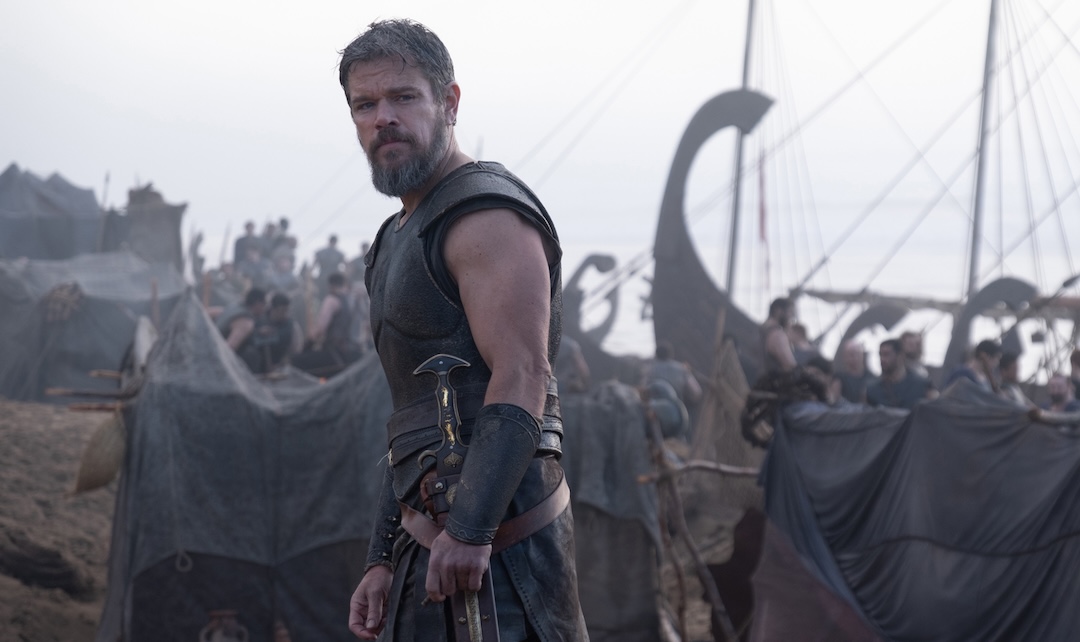
Kathmandu— Christopher Nolan’s cinematic adaptation of Homer’s *The Odyssey* has captivated audiences with its spectacular visuals and immersive sound design, but beneath the surface lies a fundamentally conservative worldview. The film, experienced by this writer during a family vacation in Illinois, delivers thrilling action sequences – from the terrifying screams of the Cyclops to the visceral transformation of soldiers into pigs – alongside a subtle critique of modern society’s perceived breakdown of traditional values and social bonds. Nolan appears to argue that societal collapse stems not from external forces but from an internal erosion of morality, empathy, and respect for established norms.
A Burkean Vision Of Civilization
The film invokes “Zeus’s Law” – a Bronze Age equivalent of the Golden Rule – emphasizing the importance of hospitality, tradition, and mutual respect. Nolan seems to suggest that a strong social order relies on individuals upholding their obligations to one another, with institutions providing guidance and support for all members of society. Historian Bret Devereaux has described this perspective as “almost Burkean,” referencing Edmund Burke’s conservative philosophy which stresses the value of tradition and gradual change. Nolan views both ancient Greece and contemporary society's potential collapse as rooted in a breakdown of these core principles, replaced by greed, hedonism, and unchecked self-interest.
Troy As A Cautionary Tale
The sack of Troy serves as a stark illustration of this conservative vision. Following Odysseus’s Trojan Horse strategy, Greek soldiers descend into barbarity, engaging in widespread violence, rape, and desecration. This scene depicts the consequences of abandoning moral constraints, where power and brutality reign supreme. Odysseus himself experiences internal conflict, realizing that his victory came at the cost of violating a long-held social order based on obligation and morality. He questions whether one man has the right to disrupt generations of tradition.
Echoes Of Modern Discontent
Nolan draws parallels between the fall of Troy and contemporary issues, suggesting that our current moment is marked by similar ideological and social ruptures. The film’s themes resonate with anxieties about militarized borders, zones of cruelty, weaponized law enforcement, and a decline in international cooperation. This vision aligns with concerns that traditional values are being eroded in favor of nationalism, avarice, and unchecked power. Nolan suggests that America is becoming like Ithaca, witnessing the collapse of its own social order into immorality and war.
Supply-Side Liberalism As The Status Quo
However, the author argues that Nolan’s interpretation misdiagnoses the problem, claiming that America hasn't experienced a true rupture with its past. Instead, the current issues are a continuation of long-standing trends rooted in supply-side liberalism – deregulation, tax incentives, and a focus on market growth. This system, established after World War II, prioritized economic expansion over social welfare, often bypassing vulnerable populations and regions. While Trump’s presidency may have exacerbated certain tendencies, it did not fundamentally alter the underlying structure of American governance.
Continuity Over Collapse
The author contends that America has always been characterized by capitalist exploitation and imperial ambition, even during periods of apparent consensus. The film's suggestion that a moral break has occurred is therefore inaccurate; rather, we are experiencing a moment where the limitations and contradictions of the existing order are becoming increasingly visible. Nolan’s *Odyssey*, while visually stunning, ultimately offers a flawed analysis by framing current challenges as a departure from a previously stable social contract.
Ultimately, Nolan's film presents a compelling spectacle with a conservative message, but its diagnosis of America’s present condition is challenged by the argument that the nation has not deviated from its long-standing economic and political trajectory.
(With inputs from Jacobin)
Originally published on abcnews.com.np.





प्रतिक्रिया दिनुहोस्