

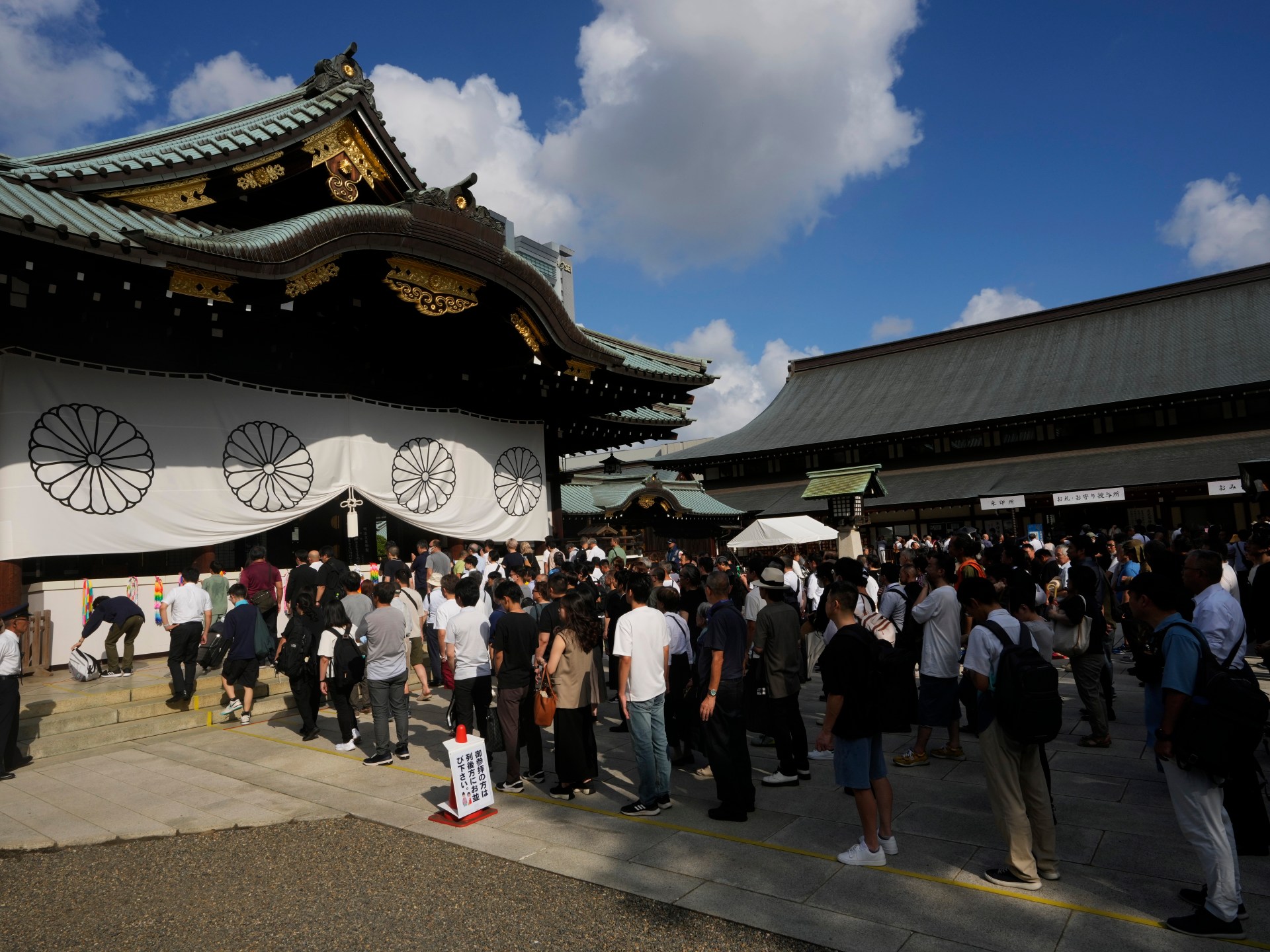
Kathmandu— Yasukuni Shrine in Tokyo is a revered site for many Japanese citizens, commemorating approximately 2.5 million soldiers and civilians killed in World War II; however, the shrine also honors individuals convicted as war criminals, making it a deeply contentious symbol of Japan’s wartime past and prompting criticism from China and South Korea who view it as a lack of atonement for atrocities committed during colonial rule. Recent visits by Japanese officials, including Defense Minister Shinjiro Koizumi, have reignited these disputes, while Prime Minister Sanae Takaichi offered tribute from nearby but did not enter the shrine itself on the anniversary of Japan’s surrender.
Shrine's Origins and Purpose
Established in 1869 under Emperor Meiji, Yasukuni Shrine was originally created to enshrine those who died fighting for Japan. The name “Yasukuni” itself means ‘to preserve peace’ in Japanese, reflecting the initial intent of honoring sacrifice for the nation. In January 1874, Emperor Meiji visited and composed a poem assuring fallen soldiers that their names would live on at the shrine. Over time, it grew to include not only military personnel but also civilians who perished during conflicts.
The Controversy Surrounding Enshrinement
The primary source of contention stems from the inclusion of 14 convicted “Class A War Criminals” enshrined in 1978. These individuals were found guilty by Allied tribunals following Japan’s defeat in World War II, accused of atrocities committed during its expansionist policies. Critics argue that honoring these figures demonstrates a lack of remorse for wartime actions and glorifies a painful period in Asian history. Japanese forces engaged in widespread atrocities including mass killings and the sexual enslavement of women across Asia before and during the war, resulting in millions of deaths.
Diplomatic Fallout and Regional Reactions
Visits to Yasukuni Shrine by Japanese politicians consistently draw condemnation from China and South Korea. Beijing recently “strongly condemned” Prime Minister Takaichi’s offering and Defense Minister Koizumi's visit, lodging protests with the Japanese government. Seoul expressed “deep regret,” urging Japan to demonstrate “humble reflection and sincere remorse” for its past actions. Despite these criticisms, some Japanese officials defend their visits as personal acts of remembrance for all war dead. Defence Minister Koizumi stated he reaffirmed a determination to uphold Japan’s postwar path as a peaceful nation while at the shrine.
Historical Context: Atrocities in China and Korea
Japan's wartime aggression left deep scars across Asia. The invasion of Manchuria in 1931 marked an early act of expansionism, followed by the Second Sino-Japanese War (1937-1945) which resulted in an estimated 15 to 20 million Chinese deaths. Japan also colonized the Korean peninsula in 1910, subjecting Koreans to forced labor and the horrific practice of ‘comfort women’ – the sexual enslavement of women in military brothels. While Japanese leaders have issued statements of remorse, relations with China and both Koreas remain strained due to these unresolved historical grievances.
The Yasukuni Shrine continues to be a focal point for diplomatic tensions and historical debate, highlighting the complex legacy of Japan’s wartime past and its ongoing efforts to reconcile with neighboring countries.
(With inputs from Al Jazeera)
Originally published on abcnews.com.np.



प्रतिक्रिया दिनुहोस्