

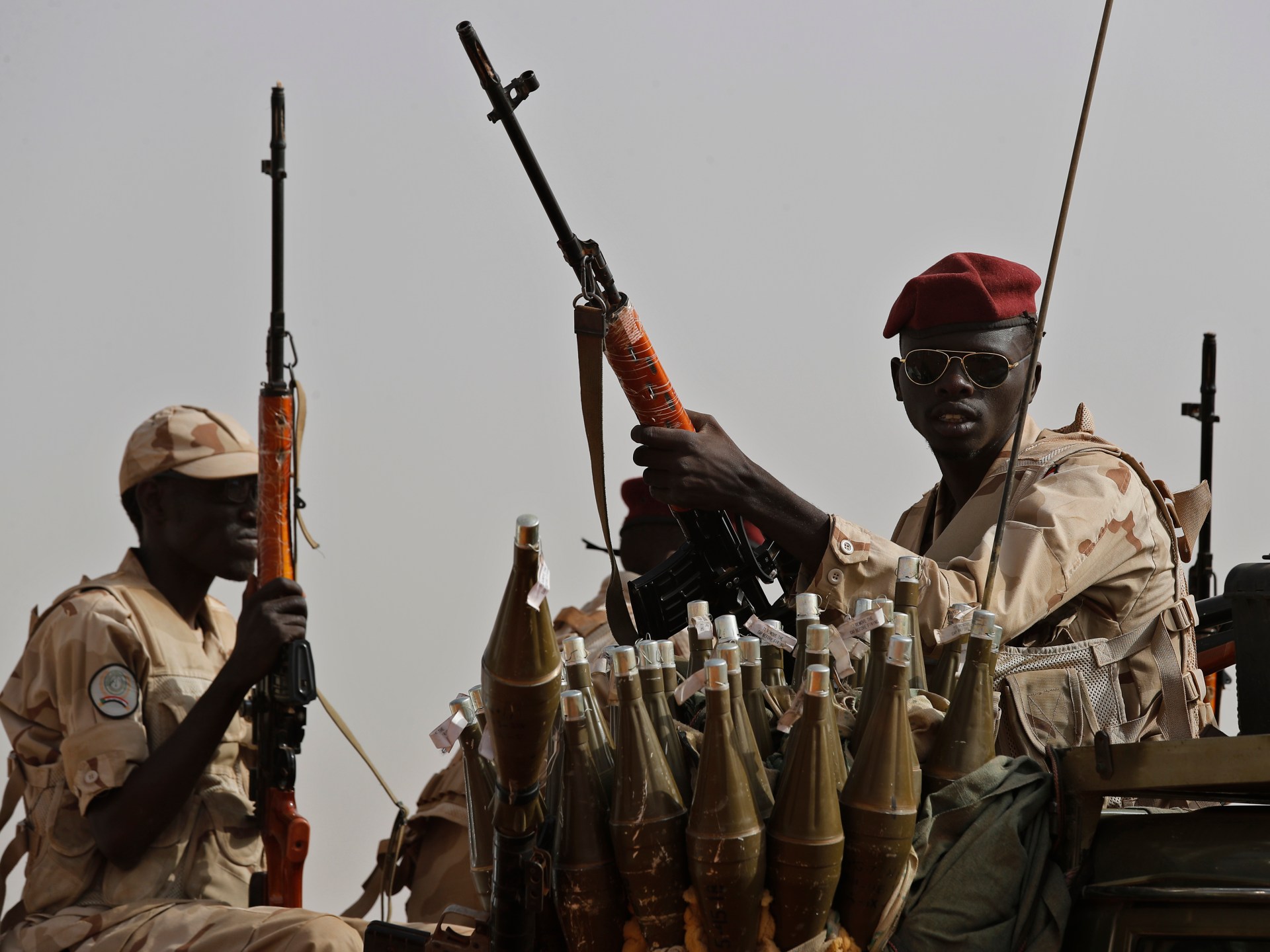
Kathmandu— A delegation from the African Union (AU) commenced a two-day field visit to Sudan on Sunday with the aim of fostering a ceasefire, enhancing humanitarian aid delivery, and reigniting political dialogue to resolve a war that has resulted in tens of thousands of deaths and displaced millions over the past three years. The AU Peace and Security Council (PSC) is actively engaging with Sudanese authorities and conflicting parties, focusing on crucial issues like humanitarian access and potential pathways toward a sustainable political settlement after deciding earlier this year to undertake the mission. This effort arrives at a critical juncture in the conflict, as the Sudanese Armed Forces have regained control of much of Khartoum while the Rapid Support Forces maintain their stronghold across Darfur, with Kordofan emerging as a new key battleground.
Shifting Battlefield Dynamics
The Sudanese Armed Forces’ (SAF) recent gains around the capital city have altered the military landscape, yet neither side has achieved a definitive victory. This stalemate presents a challenge for the AU, which is attempting to advance diplomatic efforts while both forces still believe they can improve their positions through continued fighting. The Rapid Support Forces (RSF), despite setbacks in Khartoum, remain a potent military force controlling significant portions of Darfur and retaining the capacity to fight on other fronts.
The strategic importance of Kordofan has grown due to its location connecting central, western, and southern Sudan, as well as its crucial supply routes. Ongoing fighting around el-Obeid demonstrates that conflict persists despite the army’s advances near Khartoum. Control over Kordofan could disrupt supply lines for SAF forces in western Sudan and impact the RSF's ability to mobilize fighters and equipment.
Past Mediation Attempts Fall Short
The AU has been involved in Sudanese diplomacy since the war began, adopting a roadmap in May 2023 calling for a permanent ceasefire, humanitarian access, civilian protection, and a return to political transition. The SAF and RSF signed commitments in Jeddah, Saudi Arabia, also in May 2023, concerning civilian protection, a short-term ceasefire, and humanitarian arrangements, but these agreements ultimately failed to halt the fighting.
A previous AU field mission to Cairo and Port Sudan in October 2024 similarly pressed for a ceasefire, aid access, and political process resumption. The core issue has not been a lack of diplomatic initiatives, but rather persuading the warring parties to compromise when both continue to believe they can achieve more through military action. Other mediation efforts have involved IGAD, the UN, the US, and Saudi Arabia, with the AU repeatedly advocating for greater coordination among these actors.
AU’s Limited Leverage
While the PSC possesses diplomatic weight, it lacks the leverage needed to compel the SAF and RSF to cease hostilities. Dennis Amachree, a former deputy director of Nigeria’s Department of State Services (DSS), stated that the AU “does not have the leverage on its own” to force an end to the war, citing a lack of enforcement mechanisms, financial resources, and a standby military force.
This dependence on diplomatic pressure and coordination with regional and international actors means the AU must translate political legitimacy into enough pressure to make negotiations more appealing than further offensives. Benjamin Dowmoh-Doyen of the African Chamber of Content Producers (ACCP) emphasized that this visit is “a step in the right direction,” arguing that “Africa must own its own affairs” and pursue an African-led solution.
A War of Exhaustion
Kabir Amadu, a security analyst in Nigeria and founder of Beacon Consulting Limited, suggests the Sudan war has resulted in exhaustion rather than resolution, with both sides receiving sufficient internal and external support to continue fighting but not enough to achieve decisive victory. He argues that “The AU delegation’s challenge is to convert this battlefield stalemate into diplomatic momentum before it hardens into a permanent partition of Sudan.”
The success of the current visit will hinge on whether the AU can secure lasting commitments from both sides and create an environment conducive to meaningful negotiations, moving beyond the current deadlock.
(With inputs from Al Jazeera)
Originally published on abcnews.com.np.


प्रतिक्रिया दिनुहोस्