

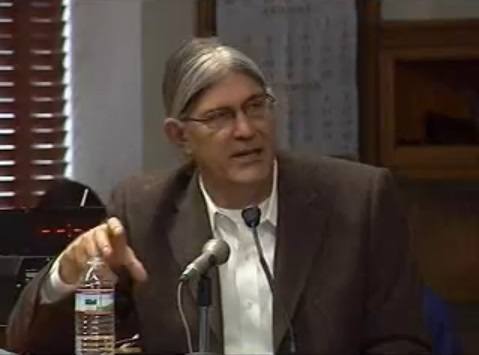
Kathmandu— Ward Churchill, a generative figure in Native American Studies known for his scholarship on colonialism and activism for social justice, passed away on August 11, 2026. A legal advocate who served on his defense team during both university hearings and court cases details the political motivations behind charges of “research misconduct” and “plagiarism” that led to Churchill’s dismissal from the University of Colorado at Boulder in 2007. Despite a jury finding that protected speech was a substantial factor in the decision to fire him, Churchill ultimately lost his fight for reinstatement, setting a precedent with implications for academic freedom today.
The Political Context of Churchill’s Dismissal
The charges against Churchill were not simply about academic integrity, but rather a calculated attack stemming from his outspoken views and activism. The author notes that the University of Colorado administration, aided by certain faculty committees and amplified by conservative media outlets like Fox News, manufactured these charges to silence his dissenting voice. This campaign was particularly focused on an essay he published shortly after 9/11, titled “Some People Push Back: On the Justice of Roosting Chickens.” A Denver jury ultimately found that Churchill’s protected speech played a significant role in the university's decision to terminate his employment and that the university failed to prove he would have been dismissed for other reasons.
A Controversial Essay and its Aftermath
Churchill’s 2001 essay, published in the wake of the September 11th attacks, sparked widespread controversy. It framed the attacks as a response to decades of Western violence in the Middle East, referencing historical events like the Crusades and the Israeli occupation of Palestinian territories. The essay also drew attention to the U.S. bombing of Iraq in 1991 and the subsequent embargo, which Churchill argued led to the deaths of hundreds of thousands of Iraqi children—a situation he termed a “genocide.” A particularly contentious comparison within the essay likened those working in the World Trade Center to “little Eichmanns” and described Americans as “good Germans,” drawing criticism for its provocative language and timing. While acknowledging the historical inaccuracies of the comparison, the author argues that it gestured towards a darker side of American history and challenged prevailing narratives.
Echoes of Historical Injustice
The author connects Churchill’s work to a broader pattern of genocide and oppression throughout American history, particularly concerning the treatment of Native Americans. Drawing parallels between historical injustices like the Indian Removal Act and contemporary issues, they argue that democracy can sometimes serve as an alibi for atrocities. Referencing Henry David Thoreau's critique of voting, the author suggests that true social change requires more than simply casting a ballot—it demands active resistance and a willingness to challenge the status quo. Churchill’s scholarship consistently demanded acknowledgement of this “other America,” which angered those invested in narratives of American exceptionalism.
Churchill's case continues to serve as a cautionary tale regarding academic freedom, particularly for faculty who engage in activism or express controversial views on issues like Palestinian rights. His legacy remains a call to action for academics and activists alike to prioritize social justice over professional conformity.
(With inputs from CounterPunch)
Originally published on abcnews.com.np.



प्रतिक्रिया दिनुहोस्