

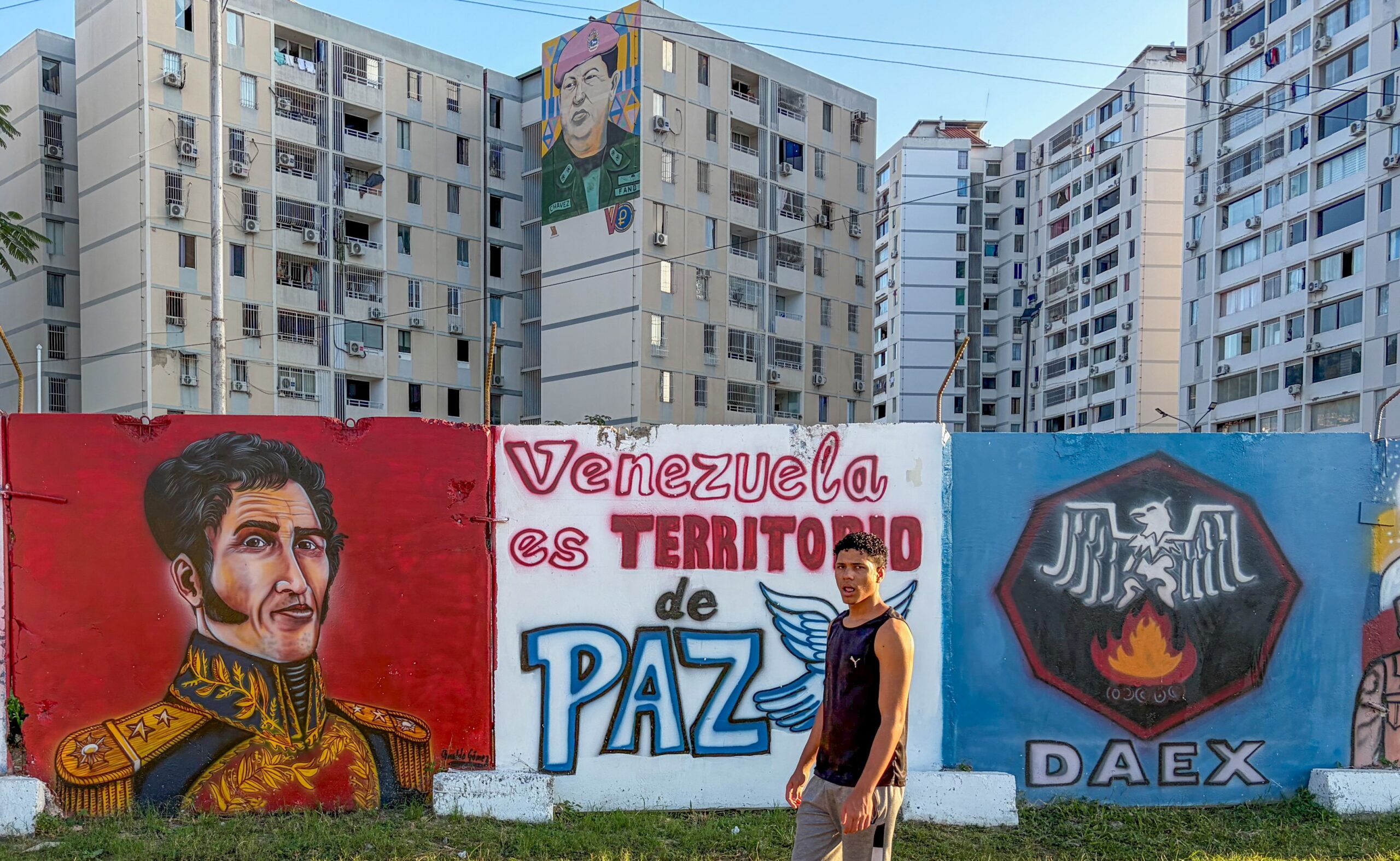
Kathmandu— In January 2026, the US military allegedly kidnapped Venezuelan President Nicolás Maduro and his wife, Cilia Flores, resulting in over 100 civilian and guard fatalities. This act, described as a violation of international law, occurred after decades of US-led efforts to destabilize Venezuela through sanctions, political isolation, and other measures, including a prior naval blockade of oil shipments. Despite failing to achieve regime change, the US maintained significant leverage, culminating in an ultimatum delivered by Secretary of State Marco Rubio demanding collaboration or further military action, leading to concessions from the Venezuelan government.
A History of Intervention
For a quarter-century, Venezuela has been subjected to sustained pressure from the United States and its allies – including Canada and the UK. This campaign included crippling sanctions designed to asphyxiate the economy, attempts to steal national assets, diplomatic isolation, cyberattacks, alleged assassination attempts, and support for mercenary invasions. The government contends that these actions aimed to dismantle the Chavismo movement, founded by Hugo Chávez and continued under Maduro’s leadership. Despite this pressure, Venezuela avoided collapse or widespread chaos following the reported kidnapping of its leaders.
Tactical Retreat Under Duress
With US military superiority overwhelming any potential response, Vice President Delcy Rodríguez was reportedly presented with an ultimatum: cooperate with the US or face complete destruction and the targeting of Venezuelan leadership. According to sources from both corporate media and Chavista circles, this amounted to a ‘Mafia-style offer.’ Facing annihilation, Rodríguez agreed to negotiations, a decision framed as essential for national self-preservation by former Chávez official Sergio Rodríguez Gelfenstein, who stated that “What is at stake is the survival of the State and the republic.”
Economic Concessions and Limited Relief
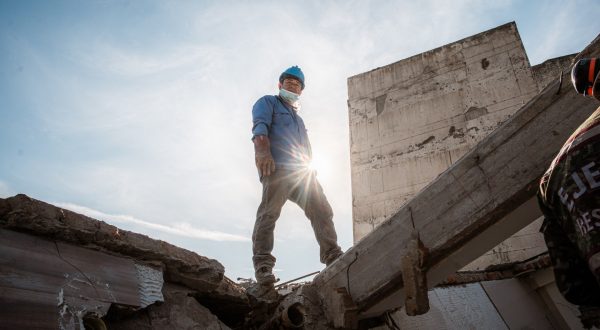
The current situation has led to legislative reforms, including revisions to laws governing resource exploitation aimed at attracting foreign investment – a strategy also employed by Cuba. A new amnesty law, excluding those accused of serious crimes like war crimes or treason, is intended to promote reconciliation. While sanctions largely remain in place, the US has provided some limited economic relief, particularly following recent earthquakes, and resumed transactions with Venezuela’s central bank and major state banks. Oil sales to the US have also been reinstated, though the broader structure of US economic warfare remains intact.
Maintaining Unity Amidst Challenges
Despite facing immense pressure, the Chavista leadership – including the military, Socialist Party, and grassroots organizations – has reportedly remained united. This unity is seen as crucial for navigating the current negotiations and resisting attempts to fracture the movement. The government emphasizes that all decisions are being made within Venezuela itself, without external interference. Some international observers have criticized the concessions made by the Venezuelan leadership, but supporters argue that these were necessary tactical retreats to prevent a catastrophic outcome.
Venezuela continues to negotiate with both domestic opposition groups and the United States, seeking the lifting of sanctions and the return of frozen assets while attempting to rebuild its economy following natural disasters. The long-term implications of these negotiations remain uncertain.
(With inputs from CounterPunch)
Originally published on abcnews.com.np.

प्रतिक्रिया दिनुहोस्