

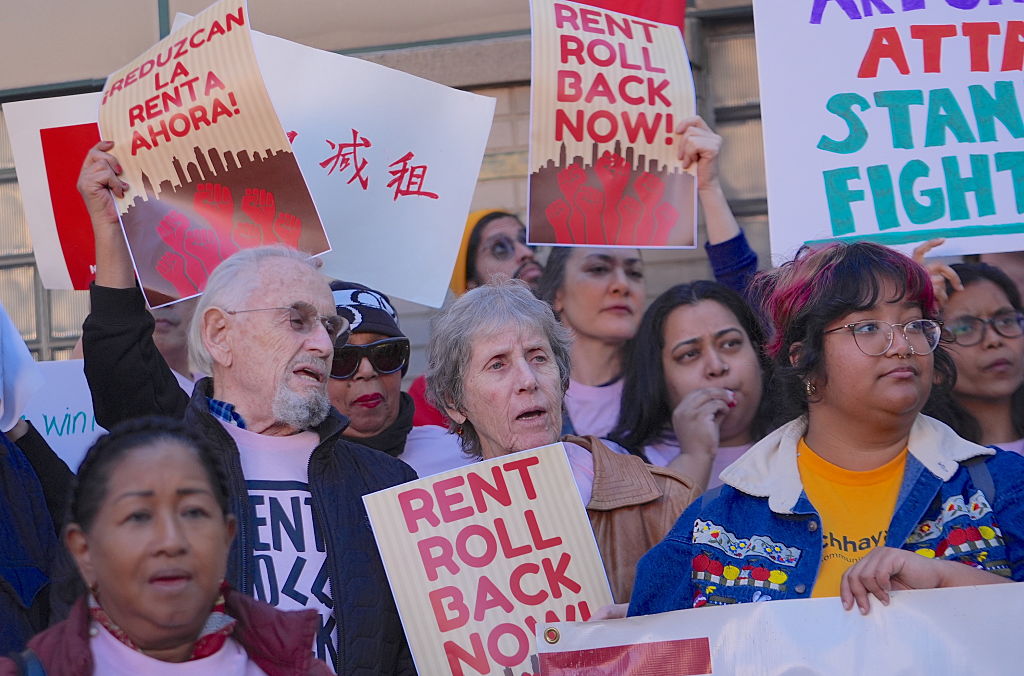
Kathmandu— Access to housing is increasingly recognized as a key issue of inequality across numerous countries, but framing it solely as a generational problem obscures the underlying economic forces at play. Recent years have seen growing tenant activism and limited rent control measures implemented in nations like Spain, Portugal, Ireland, and Scotland, prompting deeper analysis into the political economy of housing. A new book, *Beyond Generation Rent*, contributes to this discourse by examining how the private rental sector is structured around extracting profit from a scarce resource.
Rise of Tenant Activism
Renters’ unions have become increasingly influential in recent years, shaping national conversations and impacting government policies in several countries. Since 2021, Spain, Portugal, Ireland, and Scotland have all adopted some form of rent control as a response to growing housing concerns. This surge in tenant organizing has spurred writers to connect political strategy with the broader economic factors driving housing crises.
Economic Roots of Rental Inequality
Michael Byrne’s *Beyond Generation Rent* offers a critical analysis of landlordism within contemporary economics, arguing that the private rental sector is inherently designed to maximize profit by controlling limited housing assets. The book builds on existing critiques of landlord-tenant power dynamics, previously explored in works like Nick Bano's *Against Landlords*, but integrates them into a wider economic framework. Byrne highlights what he describes as the ‘impunity’ of landlords and the resulting insecurity experienced by renters.
Landlordism as a Power Dynamic
The book identifies landlordism as a social relationship characterized by an inherent power imbalance between property owners and residents. This asymmetry allows landlords to extract economic rents – profits derived from controlling access to essential resources – rather than through productive investment or innovation. By connecting this dynamic to the broader economic system, Byrne’s work aims to provide a more comprehensive understanding of how the private rental sector functions.
Byrne's analysis seeks to contribute to both academic debate and practical strategies for addressing housing inequality by highlighting its systemic roots.
(With inputs from Jacobin)
Originally published on abcnews.com.np.






प्रतिक्रिया दिनुहोस्