

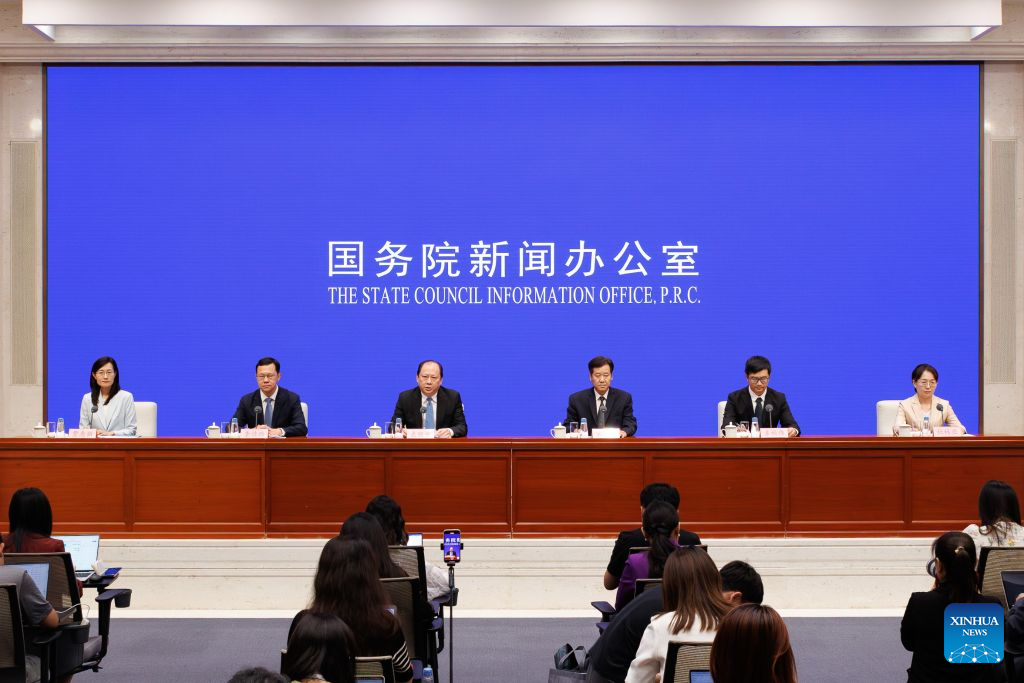
Kathmandu— China is implementing new strategies to stimulate consumption in its counties and smaller cities, recognizing these lower-tier markets as crucial drivers of economic growth. The initiative, unveiled Tuesday by the Ministry of Commerce and other authorities, focuses on upgrading commercial infrastructure in rural areas, encouraging both domestic and international brands to expand their presence, and revitalizing local economies. This push comes as China seeks to increase the role of consumption in its overall economic strategy, tapping into a vast market that accounts for 70 percent of the country’s population and 60 percent of total retail sales.
Revitalizing Rural Marketplaces
Traditional markets like the centuries-old Lutai Fair in Tianjin are being transformed to attract more visitors and boost spending. Since 2025, the fair has seen over 5.5 million visits and created more than 1,000 jobs by incorporating cultural experiences, dining options, and leisure activities. This shift reflects a broader trend across China’s county-level markets as they seek to evolve beyond simple retail spaces into comprehensive consumption destinations. In Jiujiang, Jiangxi Province, authorities have implemented a time-sharing system for a riverside road, allowing farmers to sell produce in the mornings before it opens to regular traffic.
Upgrading Infrastructure and Logistics
The government is prioritizing improvements to commercial infrastructure at the county level, including renovations of township centers and rural markets. Yuan Xiaoming, assistant minister of commerce, stated that China has been improving its county-level commercial system since 2021, now covering counties, townships, and villages nationwide. Over 3,600 logistics distribution outlets have been upgraded, facilitating the daily movement of over 100 million parcels to and from rural areas. Retail sales in rural areas rose 2.4 percent year-on-year in the first seven months of 2026, outpacing urban growth by 1.3 percentage points.
Balancing National Chains with Local Businesses
The new guidelines encourage chain brands to expand into county-level markets but emphasize the importance of tailoring business models to local needs rather than simply replicating urban strategies. Support will also be provided to local shops, time-honored brands, and workshop-style businesses that are deeply rooted in local culture. Dou Shiwen, deputy head of the commerce bureau of Tianjin's Ninghe District, explained they are “introducing more debut stores, experiential consumption and smart retail, and upgrading traditional markets…to make county-level consumption more diverse and appealing.”
Growth Opportunities for Businesses
For companies like Jiajiayue, a supermarket chain from Shandong Province, county-level markets have become a key strategic growth area. In 2025, approximately half of the group’s nearly 18 billion yuan in revenue originated from these smaller markets. The company has diversified its formats beyond traditional supermarkets to include snack stores and bakeries to better cater to local consumers. Similarly, MIXUE Group, a beverage chain, had over 32,000 stores in third-tier and smaller cities by 2025, accounting for about 58 percent of its total mainland China locations. Even international brands like Sam’s Club and Starbucks are increasingly focusing on these markets.
Long-Term Consumption Trends
Experts predict that lower-tier markets will continue to drive a significant portion of China's future consumption growth. Chen Xi, a researcher with the NDRC, noted that China’s 2,800-plus county-level administrative divisions form a vast and diverse domestic market where consumption is gradually expanding from major cities. Consulting firm McKinsey estimates that by 2030, approximately 66 percent of incremental personal consumption in China will come from these lower-tier markets.
The government anticipates that the combined efforts to upgrade infrastructure, support local businesses, and attract both domestic and international brands will solidify the role of county-level markets in shaping China’s consumption landscape and fueling economic growth.
(With inputs from Xinhua)
Originally published on abcnews.com.np.




प्रतिक्रिया दिनुहोस्