

Kathmandu— As the United States plans to impose further economic sanctions on Iran, targeting its economy with measures described as unprecedented, Iranian authorities are signaling a potential shift towards offensive strategies and preparing for a possible ground invasion. Washington announced the new wave of restrictions last week, building upon existing trade embargoes and asset freezes that have already significantly impacted Iran’s financial stability; these actions follow the expiration of a memorandum of understanding (MoU) intended to de-escalate tensions. Iran is simultaneously attempting to maintain essential imports through land borders and the Caspian Sea while demanding the US fulfill commitments outlined in the expired MoU, including lifting the blockade and releasing frozen assets. The escalating situation raises concerns about disruptions to global energy supplies and broader economic repercussions.
Escalating Sanctions and Iranian Response
The US Treasury Secretary Scott Bessent announced plans last Thursday for sanctions “never seen in the history of economic isolation on a country,” while President Donald Trump echoed these sentiments the following day. Since February 2025, Washington has sanctioned over 1,000 Iran-related entities, vessels and aircraft according to the Treasury’s Office of Foreign Assets Control (OFAC). In response, Iranian authorities have stated their willingness to shift to offensive operations if necessary, while also preparing to counter a potential ground invasion.
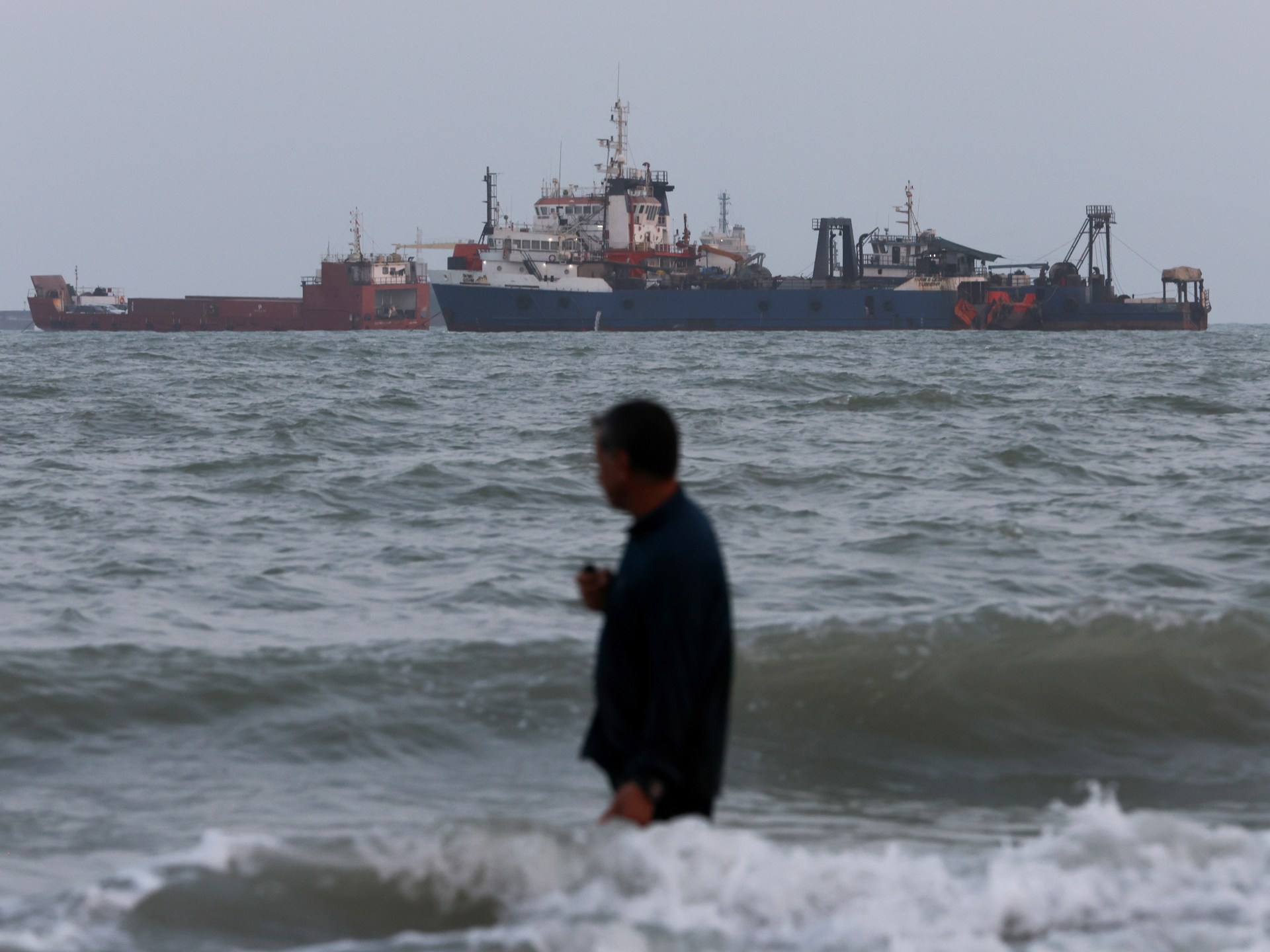
Naval Blockade Intensifies Economic Strain
Mohammad Reza Farzanegan, professor of economics at Philipps-Universitat Marburg in Germany, explains that the naval blockade combines traditional sanctions with military force, creating a physical shortage of goods within Iran. He suggests this presents Tehran with a difficult choice: accept terms dictated by the Trump administration or attempt to break the blockade through armed conflict, noting that “It currently seems that Iran is leaning toward the second option.” Farzanegan also warns that any full resumption of armed conflict would extend costs beyond Iran, impacting the global economy through disruptions in the Strait of Hormuz and regional instability.
Demands for MoU Compliance
Mohammad Bagher Ghalibaf, Iran’s parliament speaker and top negotiator, stated on Tuesday that the Strait of Hormuz will remain closed until the US meets the conditions outlined in the now-expired MoU. These conditions include lifting the blockade, releasing frozen assets, ending oil sanctions, ceasing military operations, and other agreed-upon terms. During a brief ceasefire period under the MoU in late June and early July, Iran was able to export stored oil and regroup its forces, but exports have since halted.
Economic Challenges and Policy Priorities
The mounting pressure has exacerbated Iran’s long-standing structural economic issues, including domestic corruption, mismanagement, sanctions, and international isolation. This has resulted in persistent inflation, insecure employment, declining purchasing power, and growing uncertainty for the country's roughly 90 million people. President Masoud Pezeshkian’s administration has prioritized stabilizing markets, protecting livelihoods, and strengthening national resilience over the next two years. However, Mahdi Ghodsi, a senior economist at the Vienna Institute for International Economic Studies, suggests that Iran’s prolonged stagnation indicates government policy hasn't aligned with these objectives.
Targeting Energy Trade
US media reports indicate forthcoming measures may include sanctioning Chinese refineries processing Iranian crude and potentially designating larger Chinese banks involved in related financial transactions. This could prompt a response from China, raising concerns for Washington given its reliance on critical mineral exports. Ghodsi emphasizes that energy remains the most potent form of US leverage over Iran, particularly after recent attacks damaged infrastructure. He predicts potential supply shortages if the blockade continues into autumn and winter, leading to deeper rationing and industrial shutdowns.
With negotiations stalled and tensions remaining high, Iran is focused on securing alternative import routes while awaiting a response from the United States regarding its demands for compliance with the expired MoU.
(With inputs from Al Jazeera)
Originally published on abcnews.com.np.
प्रतिक्रिया दिनुहोस्