

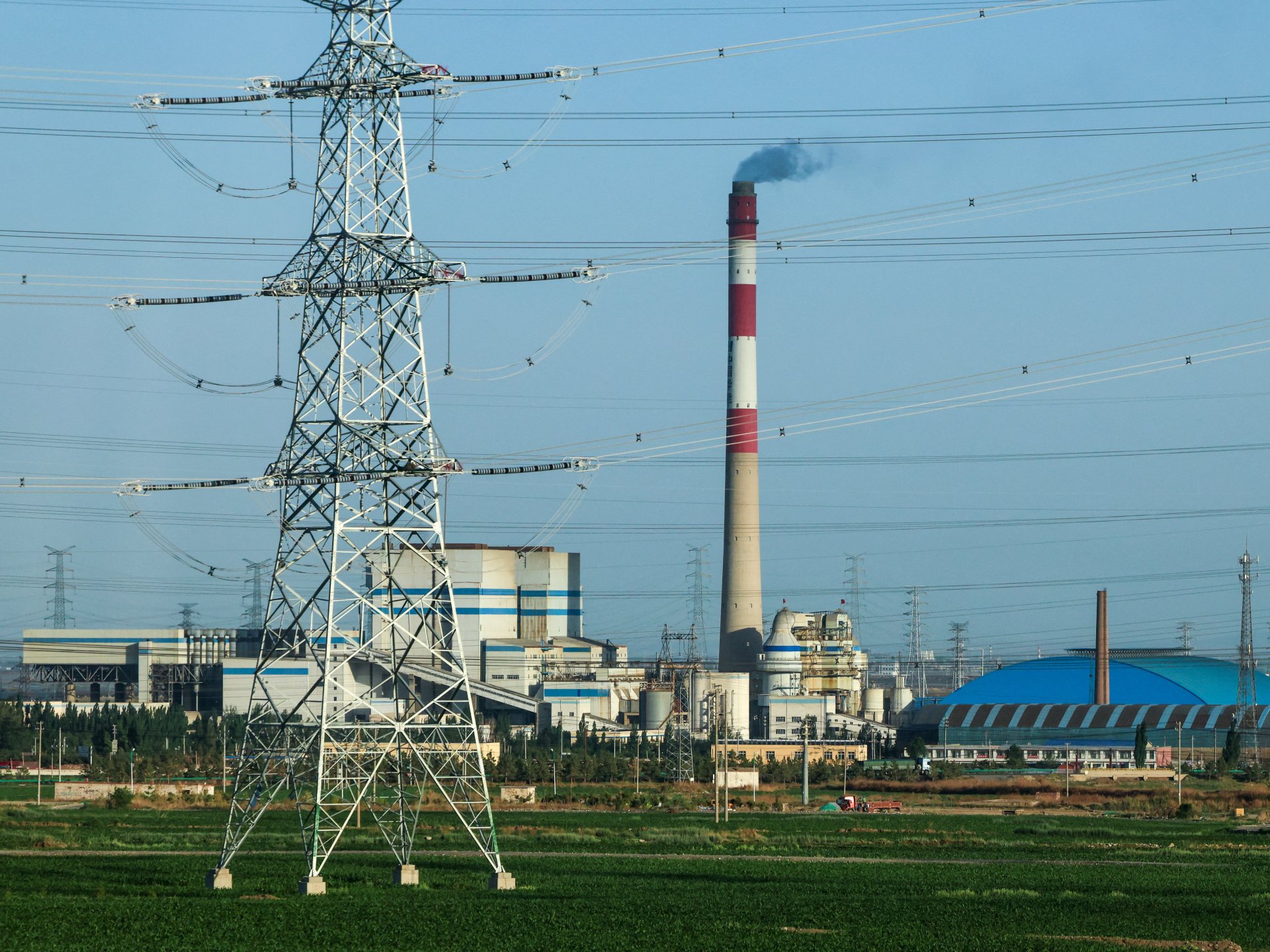
Kathmandu— The ongoing United States-Israel war involving Iran has triggered a global energy crisis, with disruptions to crude oil and natural gas supplies benefiting one unexpected sector: coal. Companies like South Africa’s Thungela Resources have reported doubled half-year profits as countries scramble for readily available alternatives to keep power flowing, particularly in Asia where reliance on Gulf energy sources is high. While considered a dirty fossil fuel, coal’s relative affordability and accessibility are driving increased demand despite global clean energy transition goals.
Energy Crisis Fuels Coal Demand
The conflict began with strikes on Tehran on February 28th, prompting Iran to close the Strait of Hormuz – a critical waterway for approximately one-fifth of the world’s oil and liquefied natural gas (LNG) shipments. With negotiations to reopen the strait ongoing, reduced supplies have caused oil prices to soar, pushing nations to rely more heavily on coal as an alternative fuel source. Although coal prices have also increased, it remains significantly cheaper than oil and is more readily available, especially for energy-dependent Asian countries.
Asian Nations Lead Increase in Coal Use
Several Asian nations have responded to the crisis by increasing coal-fired electricity generation. Japan has lifted restrictions on older, high-emission plants, while South Korea has delayed plans to phase out coal power by 2040. Bangladesh initially implemented power cuts before ramping up its own coal-powered output, and Thailand, the Philippines, and Vietnam have followed suit. Pakistan saw a 90 percent increase in electricity generated from imported coal by July. China and India, already major consumers of coal, are planning further expansion of their mining operations.
Coal Producers See Significant Profit Gains
Indonesia currently leads global coal exports, followed by Australia and Russia. In March, Indonesia reversed plans to curb production in an effort to capitalize on rising prices, which reached $131.85 per tonne in July – a significant increase from the previous year’s $102.20. South Africa’s Thungela Resources reported doubled profits for the first half of the year, driven by increased production and demand. The company’s headline earnings per share rose from 1.92 rand to 4.80 rand.
Clean Energy Transition Faces Setbacks
Over 40 countries pledged at COP26 to scale back coal use, though India and China did not sign the agreement. The current crisis is disrupting those plans as many nations lack sufficient renewable energy capacity to compensate for disrupted gas supplies. Nick Hedley, an energy transition analyst at Zero Carbon Analytics, noted that countries with existing coal infrastructure are easily reverting to its use due to cost advantages when gas prices surge. However, he emphasized that renewables remain the most cost-effective long-term solution.
Long-Term Outlook Remains Focused on Renewables
Despite short-term increases in coal consumption, analysts point to ongoing declines in Europe and China’s domestic production falling after a deadly mine explosion as signs that the long-term trend towards clean energy remains intact. The disruption of fossil fuel supply chains could also accelerate investment in renewable alternatives, safeguarding countries against future crises.
While the current conflict has temporarily boosted coal demand and profits, experts believe the underlying drive toward cleaner energy sources will ultimately prevail, with Asian nations needing to prioritize investments in renewables and electrification for long-term energy security.
(With inputs from Al Jazeera)
Originally published on abcnews.com.np.






प्रतिक्रिया दिनुहोस्