

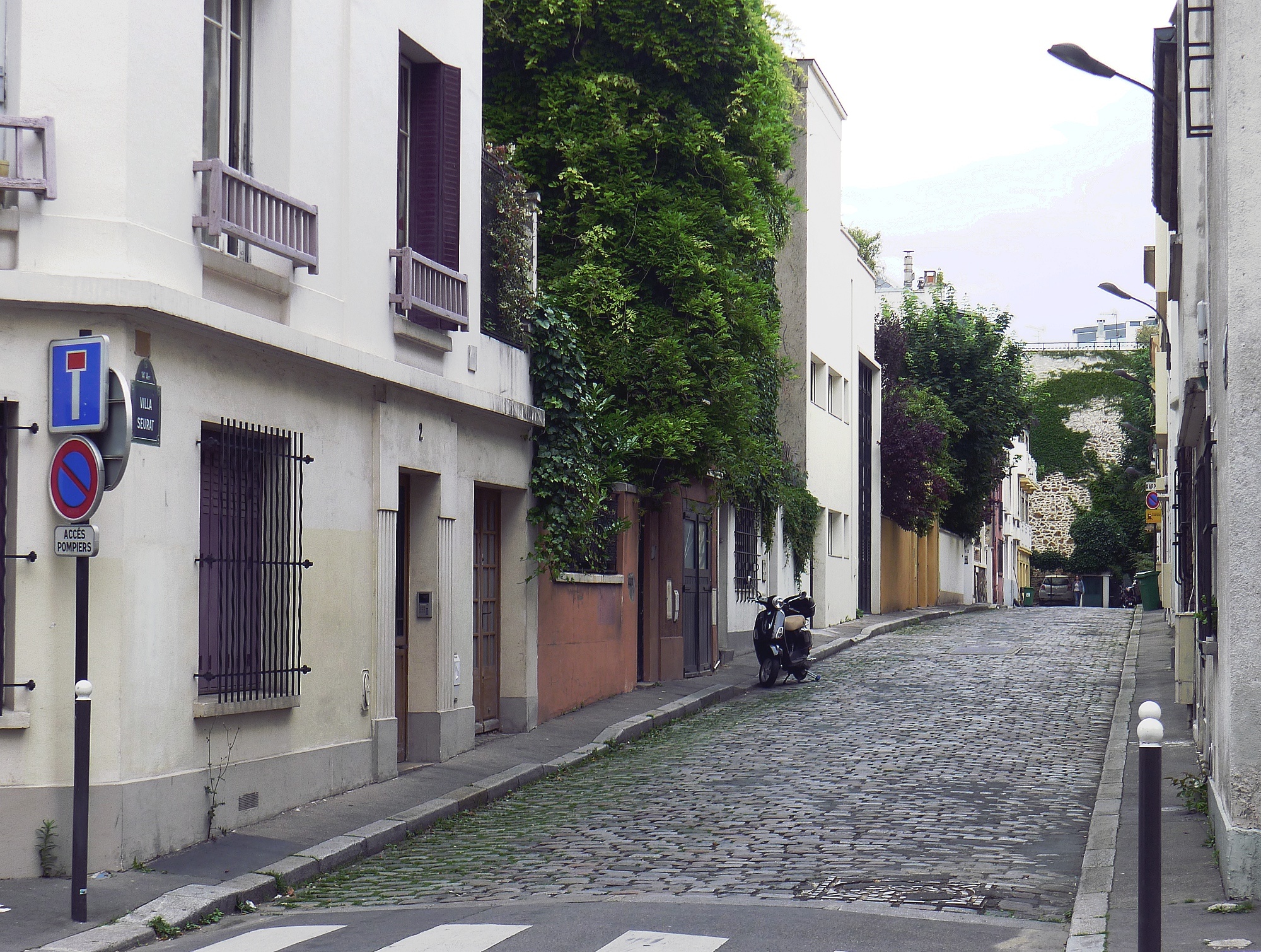
Kathmandu— In the 1930s, the quiet cul-de-sac of Villa Seurat in Paris’s 14th arrondissement blossomed into a haven for expatriate artists and writers including Henry Miller, Anais Nin, and Lawrence Durrell. It was here that Miller began writing *Tropic of Cancer* and pursued an intense interest in astrology, while also contributing to a small publication called *La Revue Officielle de la Villa Seurat*. However, the idyllic atmosphere was shattered during World War II when the Gestapo raided the street, searching for painter Chaim Soutine – though he had already fled.
A Bohemian Gathering
Henry Miller arrived in Paris in 1930 with few possessions, establishing himself on Villa Seurat. He quickly found company among fellow artists and writers such as Anais Nin and Lawrence Durrell. The street became a hub for creative exchange, where Miller began his seminal work *Tropic of Cancer* and indulged in his fascination with astrology, even painting his astrological chart onto the wall of his room.
A Near-Fatal Fall
Miller’s obsession with astrology led to a bizarre accident. While observing the night sky from the roof of his building, he stepped onto a skylight, falling over 20 feet. Remarkably, he sustained only minor cuts and bruises. He consulted his astrologer, who interpreted the incident as a sign of Jupiter's protection.
The Villa Seurat Zine
To supplement his income, Miller contributed an astrology column and fashion dispatches to *La Revue Officielle de la Villa Seurat*, a publication where Nin penned society columns and Durrell covered sports. The zine provided another outlet for the creative energy flourishing on the street.
The Gestapo Raid And Soutine’s Flight
During the Nazi occupation of Paris, Villa Seurat became a target. The Gestapo raided the street in search of Chaim Soutine, but he had already gone into hiding. He spent the final years of his life evading capture, living precariously and continuing to paint landscapes that reflected his growing anguish.
Soutine’s Tragic End
While on the run, Soutine's health deteriorated. Suffering from an ulcer and extreme poverty, he sought medical attention in Paris but died during surgery in 1943 at the age of 50. His final paintings were marked by a sense of darkness and distortion.
Confiscated Papers
The Nazi raid on Villa Seurat resulted in the confiscation of Miller’s personal papers, including letters, notes, drafts of his novels, and even material from paid writing assignments.
Chaim Soutine's death marked a tragic end to a life lived under constant threat, while Henry Miller continued to write after the war, though some of his early work was lost during the occupation.
(With inputs from CounterPunch)
Originally published on abcnews.com.np.



प्रतिक्रिया दिनुहोस्