

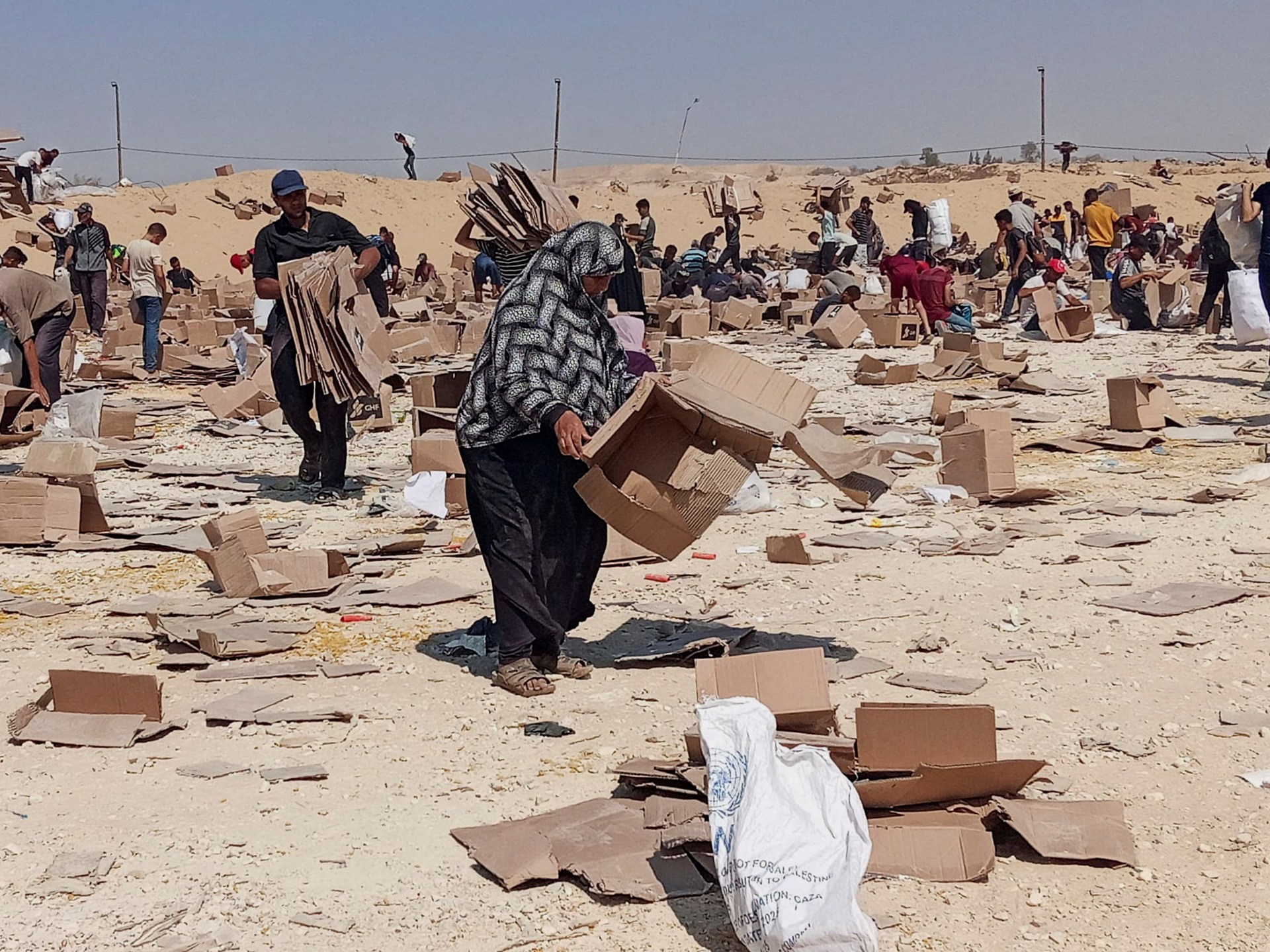
Kathmandu— A record 907 aid workers were killed, injured, or kidnapped in 2025, according to data from the Aid Worker Security Database released by the United Nations humanitarian office. While the number of killings decreased slightly from 387 in 2024 to 350 last year, the overall level of violence against those providing assistance remains alarmingly high and is being fueled by factors such as the increased use of armed drones. Gaza continues to be the deadliest location for humanitarian workers for the third consecutive year, with 186 deaths reported in 2025.
Escalating Violence Against Humanitarians
The UN Secretary-General Antonio Guterres described the level of violence as “appalling,” urging states to adhere to international laws governing warfare and ensure accountability for those responsible. He emphasized that “serving others has become more dangerous than ever.” The Aid Worker Security Database tracks major incidents impacting humanitarian workers worldwide, revealing a consistent upward trend in attacks.
Drone Proliferation Increases Risks
UN aid chief Tom Fletcher highlighted the growing threat posed by armed drones in conflict zones. In March, drone strikes targeted Goma in the Democratic Republic of Congo, resulting in at least three fatalities including a French aid worker. Similar incidents involving aid convoys have been reported in both Sudan and Ukraine, demonstrating the widespread nature of this emerging risk.
Gaza and Sudan as Focal Points
The report identified Gaza as the most dangerous location for aid workers in 2025, with 186 humanitarian personnel killed within the territory. Sudan followed closely behind as a particularly hazardous environment for those delivering essential assistance. Ramiz Alakbarov, the UN Palestinian refugee agency’s humanitarian coordinator, stated on social media that “humanitarian workers are not a target and humanitarian assistance must be fully facilitated.” Former UNRWA chief Philippe Lazzarini had previously called for an independent high-level panel to investigate deaths among his staff.
Funding Cuts Compound Challenges
These attacks occur against a backdrop of decreasing financial support for humanitarian work. Despite these challenges, the European Commission affirmed its commitment to donor obligations, stating that “every aid worker killed is not only a personal tragedy; it is also a failure by the international community to uphold its most basic commitments.” Bushra Khalidi, global humanitarian policy lead at Oxfam, called for stronger protections for aid workers, asserting: “We’re witnessing an assault on humanitarian action itself.”
The UN continues to advocate for increased safety measures and accountability for attacks against aid workers, while also emphasizing the critical need for sustained funding to support life-saving humanitarian operations.
(With inputs from Al Jazeera)
Originally published on abcnews.com.np.



प्रतिक्रिया दिनुहोस्