

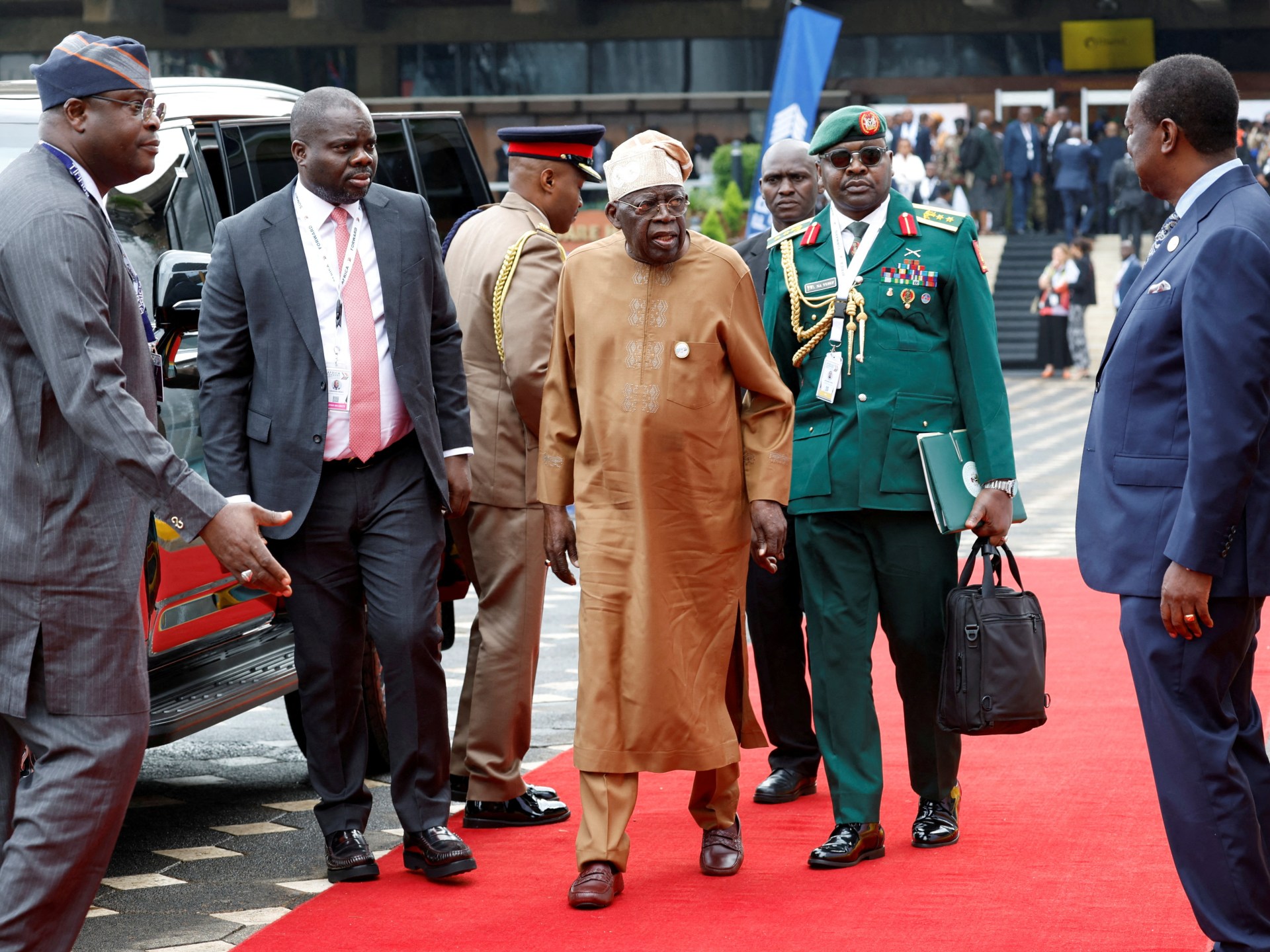
Kathmandu— As Nigeria’s presidential election campaign officially begins, President Bola Tinubu faces a critical test: convincing voters that the economic reforms he initiated after taking office in 2023 will ultimately improve their lives despite immediate hardship. Across the country, rising costs are squeezing household budgets and fueling discontent, but Tinubu's well-established political machinery and a fragmented opposition may shape the outcome of the election scheduled for 2027. The campaign unfolds against a backdrop of economic restructuring – including the removal of fuel subsidies and foreign exchange reforms – intended to stabilize Africa’s largest economy, alongside persistent security challenges in several regions.
Economic Reforms and Household Impact
Tinubu's administration argues that its recent policies are necessary for long-term economic health, pointing to improving macroeconomic indicators. However, many Nigerians are experiencing the immediate effects of these reforms through higher food prices, increased transportation costs, and reduced purchasing power. Shukurat Oyedele, a shop owner in Ilorin, explained how the price of basic goods has more than doubled, forcing customers to delay purchases or buy smaller quantities. “People are interested in buying the things I sell, but they have become really expensive,” she said. Sekinat Ojeniyi, a senior analyst at Africa Practice, emphasized that the government must demonstrate how these reforms will translate into tangible improvements in people’s lives.
The Challenge of Persuasion
Analysts suggest Tinubu's path to re-election hinges less on persuading voters and more on capitalizing on opposition fragmentation and potentially lower turnout among his critics. Cheta Nwanze, a partner at SBM Intelligence, noted that voters are primarily concerned with their daily experiences rather than abstract economic figures like GDP. “People don’t vote for GDP growth; they vote based on what they can feel in their own lives,” Ojeniyi added, highlighting the disconnect between government arguments and household realities. The ability to bridge this gap will be crucial for Tinubu's campaign.
Insecurity and Opposition Weakness
Beyond economic hardship, Nigeria continues to grapple with significant security challenges, including armed conflict, kidnapping, and farmer-herder violence, particularly in the north and Middle Belt regions. Anne Ochayi, a lawyer in Makurdi, expressed her fear for personal safety while traveling through these areas. This insecurity provides ammunition for opposition parties, but they have struggled to unite behind a single candidate. Nwanze explained that Nigeria’s electoral system favors candidates who can consolidate anti-incumbent votes, and the presence of multiple contenders—including Atiku Abubakar and Peter Obi—benefits Tinubu.
Incumbency Advantage
Despite facing dissatisfaction over the economy and security situation, President Tinubu benefits from the organizational strength of the ruling All Progressives Congress (APC). The party controls the federal government and has established extensive political networks across many states. Ojeniyi cautioned against viewing the election solely as a referendum on Tinubu’s performance, emphasizing that it is also a test of Nigeria's political opposition and the quality of democratic choices available to citizens.
Voter Concerns
For voters like Thomas Eneji, a ride-hailing driver in Abuja, fuel costs have significantly impacted his ability to earn a living. He hopes for a government that prioritizes improving conditions for workers. However, he also expressed skepticism about the integrity of the electoral process. “I will keep on voting; it is just so unfortunate that sometimes we vote and your vote doesn’t count because of one or two manipulations,” Eneji said.
As Nigeria heads towards the 2027 election, the success of Tinubu's reforms and his ability to address both economic hardship and security concerns will be key determinants in whether voters reward him with a second term.
(With inputs from Al Jazeera)
Originally published on abcnews.com.np.



प्रतिक्रिया दिनुहोस्