

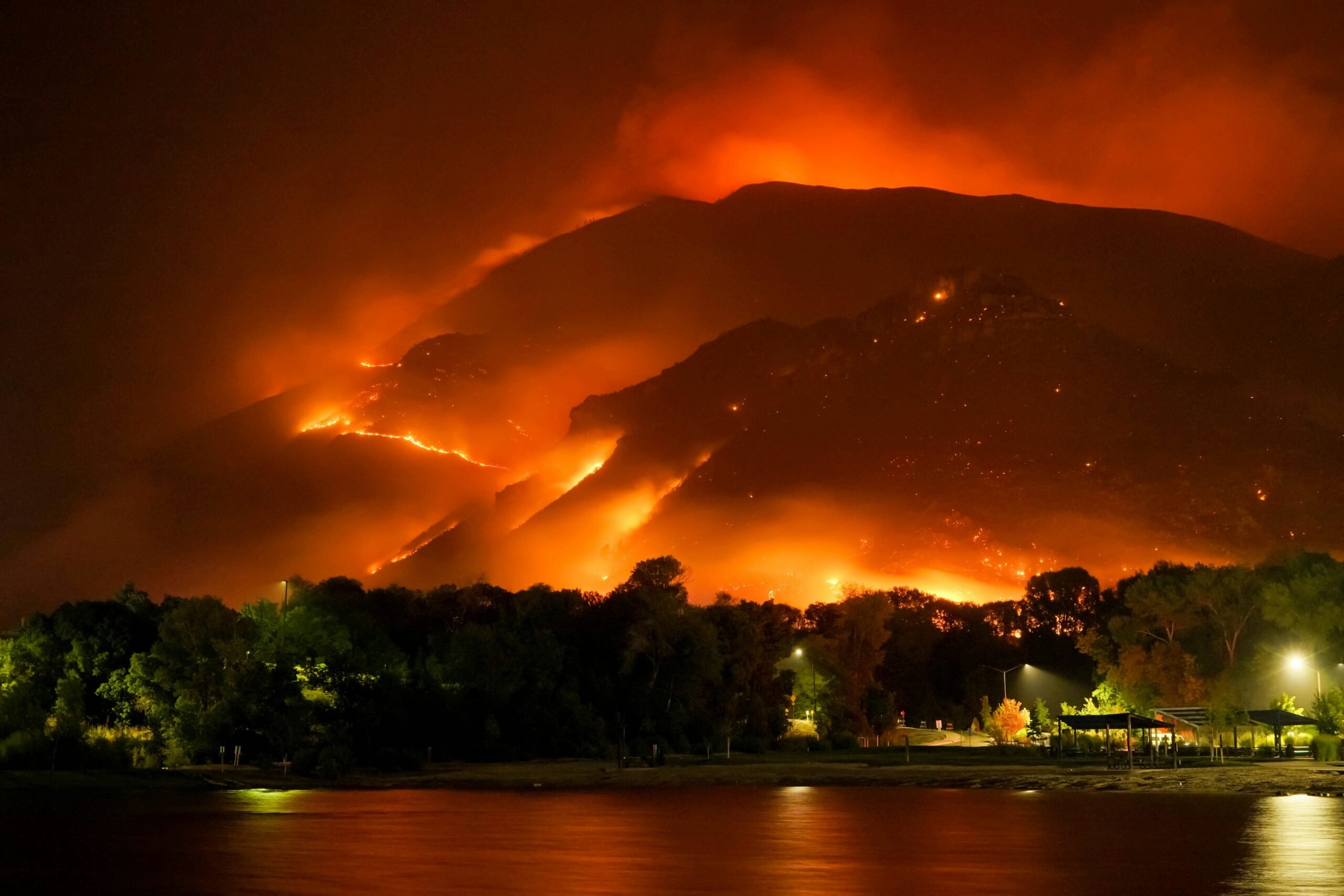
Kathmandu— Devastating wildfires are currently raging across multiple continents, from British Columbia and the American West to France, Spain, Greece, Croatia, and Germany. While much discussion focuses on carbon emissions, author and activist argues these fires reveal a deeper issue: a system of power rooted in white supremacy that historically externalized consequences onto marginalized communities and lands. This logic, she contends, has created a world where there is 'no elsewhere' to displace the effects of climate change, as the atmosphere itself recognizes no borders.
A History of Displaced Consequences
The author posits that empire’s core strategy involved benefiting one group while pushing negative consequences onto others—taking land, cutting forests, and polluting environments elsewhere. This arrangement was made possible by a belief system that devalued certain lives and communities, effectively creating 'sacrifice zones' where the burdens of progress fell disproportionately on Indigenous peoples, colonized nations, and marginalized groups. This allowed for prosperity in one location at the expense of another, with the understanding that those bearing the consequences were considered less important.
The Collapse of ‘Elsewhere’
Climate change fundamentally disrupts this historical pattern because it does not respect geographical boundaries. Carbon emissions do not remain localized, and heat and smoke travel freely across borders. Fire now moves indiscriminately through various land types—Crown land, private property, Indigenous territories—ignoring human-imposed distinctions. The ability to displace consequences 'somewhere else' is collapsing, as the atmosphere offers no external colony for damage.
Morality Defines the Response
Despite the failure of this system, the author argues that the underlying morality remains dominant in current responses to climate change. Prioritization continues to be given to economic growth, extraction, and profitability, with expectations placed on forests and communities to 'adapt' rather than addressing the root causes. European knowledge is still elevated as science while Indigenous ecological knowledge is often dismissed. This perpetuates a system where some continue to benefit at the expense of others.
Indigenous Knowledge and Land Stewardship
The article highlights the crucial role of Indigenous land stewardship practices, which were historically criminalized and suppressed by colonial governments. Long before climate change became an annual emergency, Indigenous peoples managed landscapes through sophisticated systems including cultural and prescribed burning. The author points to the absurdity of a system that dismisses this knowledge, then seeks guidance from it only after its own methods have failed. White supremacy, she argues, fosters distrust in those with alternative ways of living in harmony with the land while simultaneously claiming authority over repair efforts.
The author concludes that confronting white supremacy as the foundational logic behind environmental degradation is essential to escaping this cycle of destruction and building a more sustainable future.
(With inputs from CounterPunch)
Originally published on abcnews.com.np.





प्रतिक्रिया दिनुहोस्