

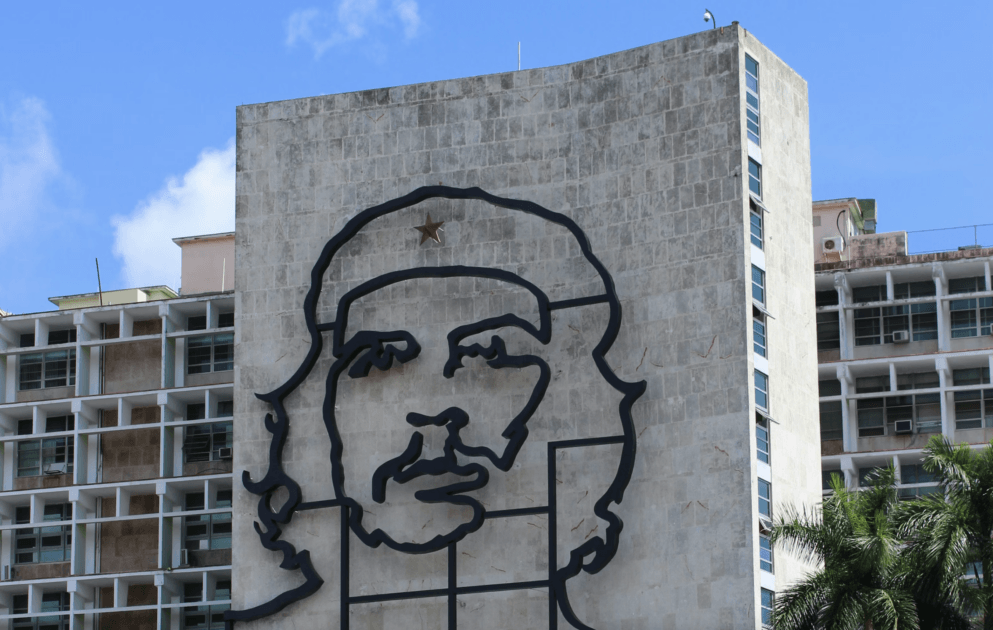
Kathmandu— An NPR interview with Cuban-American musician Arturo Sandoval sparked renewed scrutiny of US media’s reporting on Cuba, highlighting a pattern of decontextualization that obscures the impact of decades of embargo and sanctions. The United States has maintained a trade embargo against Cuba for 67 years—the longest in history—and supplemented it with numerous additional sanctions. These policies restrict Cuba's access to essential goods like medicine, limit travel, and hinder financial remittances, contributing to widespread economic hardship. When Cubans protest their government, the US often steps in with aid and influence, while rarely acknowledging its own role in creating the conditions that led to the unrest.
Historical Roots of US Policy
Political scientist Michael Parenti described a pattern forty years ago where the US imposes embargoes on countries with non-capitalistic models, fearing it might inspire questioning of the American system. The news media then reports on the resulting suffering without mentioning the embargo itself. This cycle culminates in intervention and financial support for a new government, followed by reporting that ignores the prior devastation caused by US policy. A declassified 1960 memo from the State Department revealed that the goal of the embargo was to create “disenchantment and disaffection based on economic dissatisfaction and hardship” to undermine support for Fidel Castro’s revolution.
Recent Escalations and Restrictions
Beyond the longstanding embargo, the US has designated Cuba as a State Sponsor of Terrorism (SSOT), a label first applied by Ronald Reagan in 1982. While briefly removed under Obama in 2015, it was reinstated by Trump in 2021 and again in 2025. This designation restricts aid from organizations like Food for Peace and access to loans from international financial institutions, hindering crucial infrastructure projects such as overhauling the island’s aging electrical grid. Furthermore, a recent oil blockade initiated under Trump threatens tankers delivering petroleum to Cuba, exacerbating shortages of electricity and water.
Cuban Resilience and International Condemnation
Despite decades of hardship, Cuba has continued to prioritize social programs like free education, healthcare, and subsidized housing. The nation’s Latin American Medical School is one of the largest in the world, offering full scholarships to students from low-income communities globally, including the US. Cuba also offered aid workers after Hurricane Katrina and sent medical brigades to Italy during the COVID-19 pandemic. For over three decades, the UN General Assembly has overwhelmingly voted to denounce the US embargo annually, with only the United States and Israel consistently voting against it.
Media’s Role in Perpetuating Misconceptions
During a recent NPR interview, host Scott Simon asked Arturo Sandoval about his views on Cuba, noting that conditions seemed “worse than ever.” This framing failed to acknowledge the historical context of the US embargo and its impact on the Cuban people. Sandoval responded by describing the desperation felt by Cubans after 67 years of hardship, a sentiment presented as stemming from the revolution itself rather than the decades-long economic blockade. The article argues that this lack of context is a disservice to listeners and hinders informed public discourse.
The situation in Cuba remains dire, with ongoing shortages of essential resources impacting daily life. Calls for a reevaluation of US policy and more comprehensive media coverage are growing as advocates argue that understanding the historical context is crucial for fostering meaningful change.
(With inputs from CounterPunch)
Originally published on abcnews.com.np.
प्रतिक्रिया दिनुहोस्