

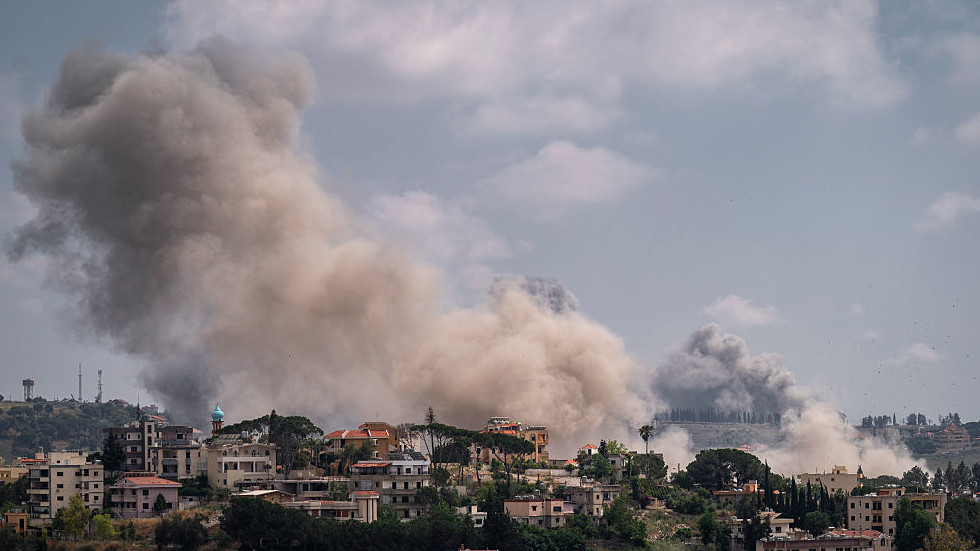
Kathmandu— Israel conducted a new series of airstrikes on southern Lebanon early Friday, focusing on locations near the major city of Nabatieh and the Ali al-Taher Heights. The strikes, which involved both warplanes and artillery fire, come despite a US-brokered framework intended to halt fighting between Israel and Hezbollah, an Iran-backed Lebanese armed group. While the June agreement envisioned Israeli withdrawal alongside Lebanese Army deployments and Hezbollah disarmament, implementation has stalled due to disagreements over sequencing.
Escalating Strikes Target Key Locations
The overnight attacks specifically targeted Kfar Rumman, a town on the outskirts of Nabatieh, and the nearby Ali al-Taher Heights. The Ali al-Taher Heights have become a focal point in Israel’s military campaign, as Israeli forces claim Hezbollah maintains underground infrastructure in the area and has repeatedly struck it in recent weeks. Additionally, Israeli artillery targeted several other locations across southern Lebanon.
Failed Truce Framework
The current escalation occurs despite a US-brokered framework agreed upon in June aimed at ending hostilities between Israel and Hezbollah. The deal proposed a progressive Israeli withdrawal contingent on Lebanese Army deployments and the disarmament of Hezbollah, but disagreements over which step should precede the other have brought implementation to a standstill. Last week saw one of the deadliest Israeli attacks in Lebanon since the truce, resulting in eleven fatalities according to Lebanese officials.
Regional Context and Condemnation
The conflict in Lebanon is closely linked to Israel’s broader confrontation with Iran, as Hezbollah has long been a key ally of Tehran. The resumption of attacks by Hezbollah in March followed the killing of an Iranian supreme leader, triggering a significant Israeli air and ground campaign. Lebanese Prime Minister Nawaf Salam condemned last week's strikes as “extremely dangerous” and asserted that any Hezbollah military infrastructure within Lebanon should be addressed by the Lebanese state itself.
Fighting continues to threaten the fragile truce established in June, with no immediate resolution apparent despite international efforts to de-escalate tensions.
(With inputs from RT)
Originally published on abcnews.com.np.



प्रतिक्रिया दिनुहोस्