

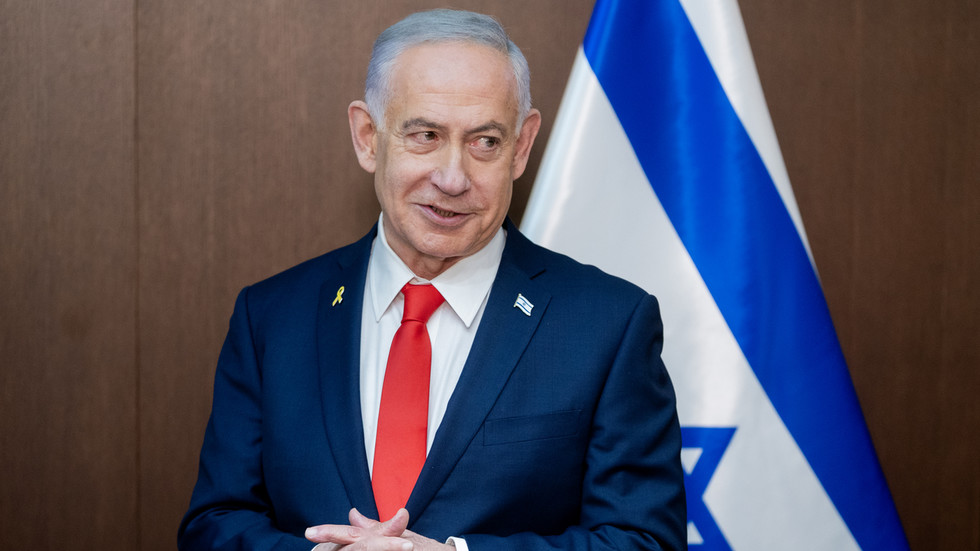
Kathmandu— Recent Israeli airstrikes on an airbase in Syria have unexpectedly heightened tensions with Türkiye, raising concerns about a potential proxy war between the two regional powers. The August 18th attack on Abu al-Duhur airbase, located near the Turkish border, aimed to disrupt growing military cooperation between Ankara and Damascus, particularly the delivery of advanced weapons systems. Israel views this partnership as a strategic shift that threatens its freedom of action in Syrian airspace, while Türkiye sees it as an opportunity to rebuild Syria’s armed forces and expand its regional influence. The escalating confrontation is occurring against a backdrop of domestic political pressures in both countries, with elections looming for both Israeli Prime Minister Benjamin Netanyahu and Turkish President Recep Tayyip Erdoğan.
Growing Military Cooperation Between Ankara and Damascus
Turkish-Syrian military cooperation has been steadily deepening over the past year, with Ankara formally agreeing to assist in the reconstruction of Syria’s armed forces through weapons, training, and logistical support. This development marks a significant change from previous years when Syria was largely viewed as a battleground for Israel's campaign against Iranian influence. For Türkiye, this represents a strategic opening to convert its costly involvement in the Syrian conflict into lasting influence over the country’s political and military architecture.
Israel’s Concerns Over Regional Power Dynamics
Israel increasingly views Türkiye’s assistance to Syria as a threat to its long-standing operational freedom in Syrian airspace. Israeli officials are particularly concerned about the potential deployment of modern air defense systems, drones, and electronic warfare capabilities that could restrict Israel's ability to conduct strikes against perceived threats. The attack on Abu al-Duhur was intended as a warning, with Netanyahu stating Israel would not tolerate a Turkish military presence in Syria threatening its security.
Domestic Political Motivations Fueling Escalation
Both Netanyahu and Erdoğan face domestic political challenges that are influencing their foreign policy decisions. With parliamentary elections scheduled for October 27th, Netanyahu is using the perceived external threat to bolster his image as Israel’s guarantor of security and divert attention from personal legal issues and economic pressures. Similarly, Erdoğan is leveraging the confrontation with Israel to appeal to nationalist and religious constituencies ahead of potential early elections in Türkiye. He aims to present himself as a strong leader capable of shaping regional events despite domestic economic difficulties.
Emerging Regional Alliances and Shifting Alignments
The recent signing of a defense agreement between Türkiye, Saudi Arabia, and Pakistan has further complicated the regional landscape. This pact, which includes provisions for mutual protection and cooperation in defense production, is viewed by Israel as potentially contributing to the emergence of a new Sunni axis. Israeli strategists are concerned that Turkish military power, Saudi financial resources, and Pakistani strategic capabilities could gradually form a broader political-security architecture limiting Israel’s regional influence.
Risk of Proxy Conflict
While neither Ankara nor Jerusalem appears to desire direct war, the current trajectory raises the risk of a de facto proxy conflict in Syria. If Türkiye continues to arm and train the Syrian military while Israel systematically destroys infrastructure created with Turkish assistance, tensions could escalate further. A direct attack resulting in casualties on either side would significantly raise the stakes and limit options for de-escalation.
The situation remains volatile, with both countries signaling a willingness to defend their interests. The United States is attempting to create a deconfliction mechanism between Israel, Türkiye, and Syria, but the long-term implications of this escalating rivalry remain uncertain.
(With inputs from RT)
Originally published on abcnews.com.np.




प्रतिक्रिया दिनुहोस्