

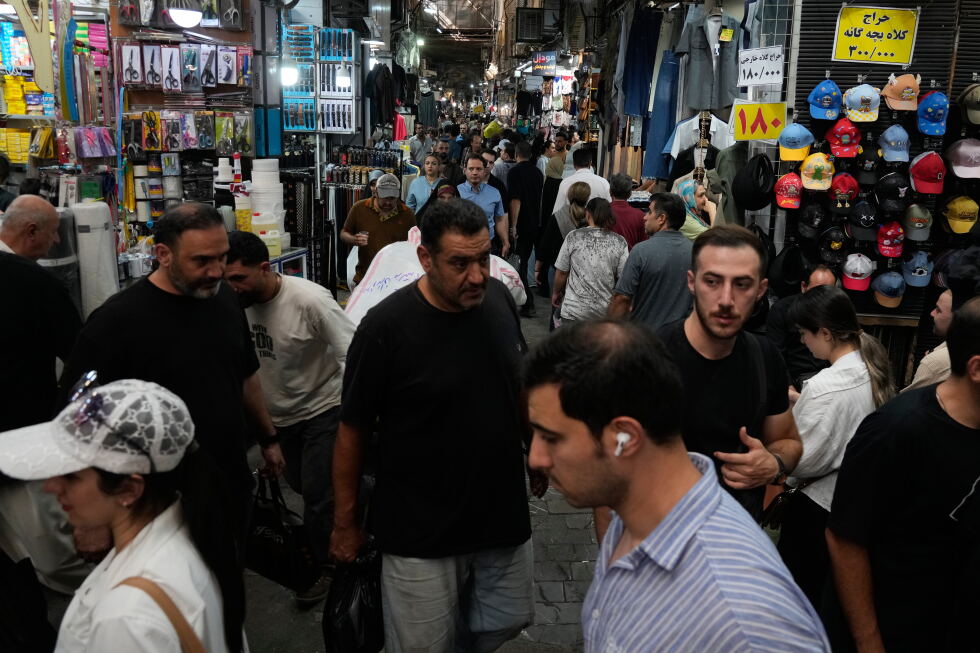
Kathmandu— Tehran’s grocery stores remain stocked with goods, but many Iranian families are finding it increasingly difficult to afford essentials as the country's economy buckles under the weight of war and intensifying U.S. sanctions. Unemployment is rising rapidly, while wages have lost half their value in the past year, pushing food, medicine, and other necessities out of reach for a growing number of citizens—with heavily subsidized gasoline being a notable exception.
Economic Hardship Deepens
A taxi driver in Tehran, Ahmad Karimi, 52, described a drastic reduction in his family’s quality of life. “We have virtually given up on many things,” he said, explaining that they are cutting back on protein and fruit, eliminating leisure activities, and even working weekends to make ends meet.
The war and subsequent sanctions—along with a naval blockade hindering oil exports—have severely impacted Iran's economy. Rice prices have increased by 60% and beef by 150% since the start of the conflict, forcing shoppers to seek more affordable options at Tehran’s Grand Bazaar.
Emotional and Financial Toll
The economic strain is taking a significant emotional toll on Iranian families. A mother from northern Iran shared on social media that a recent grocery run for milk, eggs, toilet paper, and a few other items cost 89 million rials (about $65), with no meat included.
“Buying basic necessities has become our main priority, and our shopping basket has gotten smaller and more limited,” she told the Associated Press on condition of anonymity. “The emotional toll and the pressure we’re under are another story…Every time we have to say no to our children…it’s genuinely exhausting.”
The International Monetary Fund forecasts that inflation in Iran will rise nearly 70% by year's end, and the country’s economy is expected to shrink by more than 5%. Even gasoline subsidies may not last indefinitely, as daily consumption now exceeds production.
Iran's Resilience and Retaliation
Despite years of Western sanctions, Iran has demonstrated a capacity to partially circumvent them through domestic production, informal trade networks, third-country purchases, and a shadow fleet for oil transport. Hadi Kahalzadeh, an expert on Iran’s economy at Brandeis University, noted that “Iran’s resistance capacity not only avoids collapse, it also prevents the economic pain from translating into the political pressure and changes that the U.S. expects.”
Iran is leveraging retaliatory measures—including attacks on oil-rich neighbors, U.S. bases, and disruption of shipping in the Strait of Hormuz—to push for sanctions relief and greater control over the vital waterway.
U.S. Response and Political Dynamics
The Trump administration has vowed to impose even tougher sanctions, but experts question whether this strategy will yield results. The United Arab Emirates recently suspended trade with Iran following a call from President Trump.
While Iranian President Masoud Pezeshkian favors a negotiated end to the war, the powerful Revolutionary Guard—which has strengthened during the conflict—is pushing for greater concessions, including control over the Strait of Hormuz and financial compensation. Ayatollah Mojtaba Khamenei recently appointed a former Revolutionary Guard commander to head Iran’s Supreme National Security Council, signaling a preference for a hard-line approach.
With negotiations stalled, Iran's leaders believe their country can withstand the economic pressures longer than its adversaries, though many Iranians are reaching the limits of their endurance.
(With inputs from AP)
Originally published on abcnews.com.np.


प्रतिक्रिया दिनुहोस्