

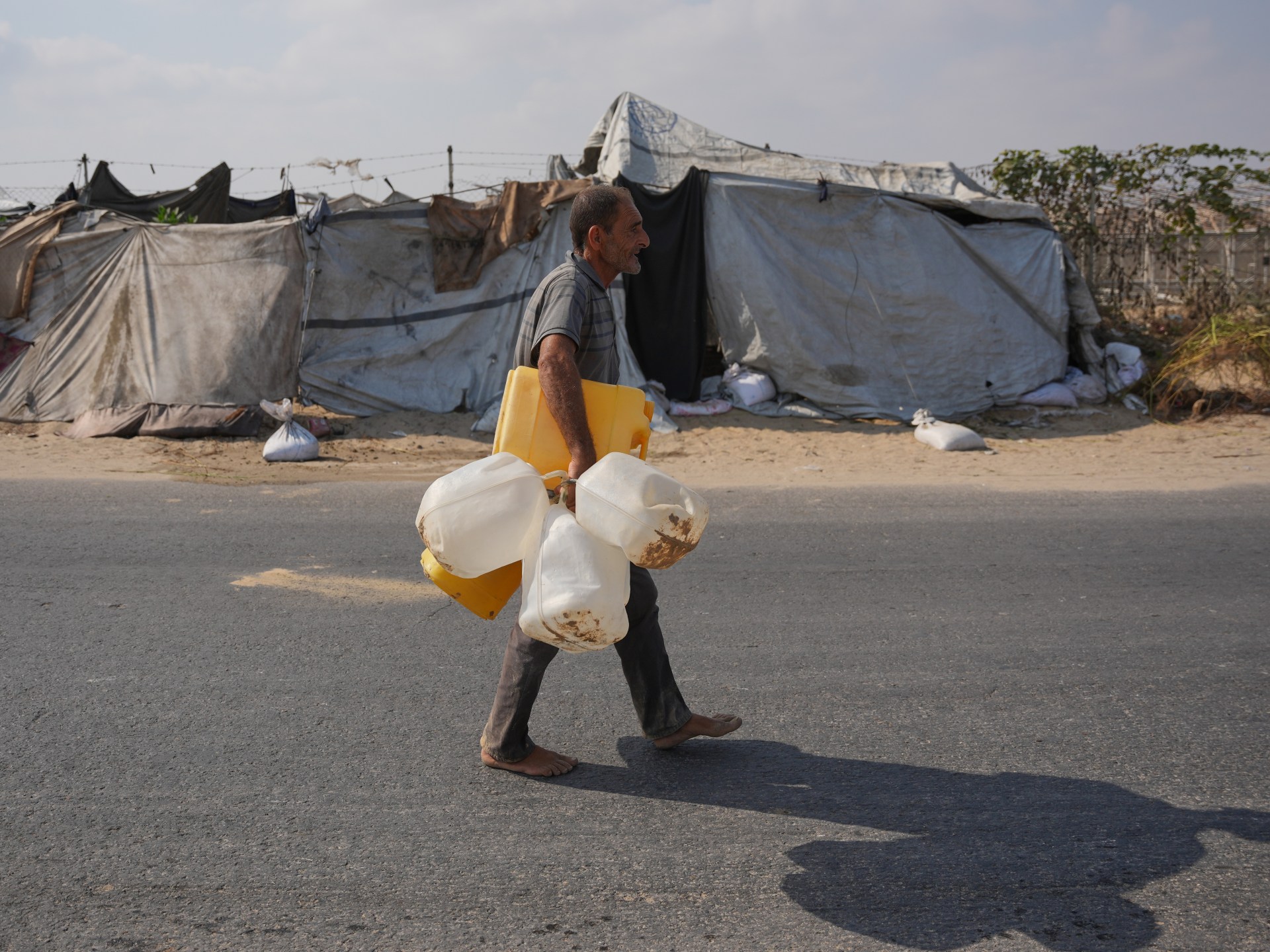
Kathmandu— Water-related conflicts are escalating worldwide, reaching a record high in 2024 as the World Water Week conference begins in Stockholm. The Pacific Institute recorded 420 water-related incidents last year—a 78 percent increase since 2022—driven by attacks on vital infrastructure and disputes over access, particularly in areas experiencing prolonged warfare. These conflicts manifest as damage to water systems (casualties), resource scarcity fueling violence (triggers), or the deliberate manipulation of water supplies (weaponization), highlighting a growing nexus between water stress, climate change, and instability.
Understanding Water Conflict Dynamics
For over three decades, the Pacific Institute has meticulously tracked global water conflicts, categorizing incidents based on how water plays a role. The majority of these conflicts—55 percent in 2024—are classified as ‘casualties,’ where water infrastructure is damaged or destroyed during conflict, either intentionally or as collateral damage. This includes essential facilities like dams, pipelines, and treatment plants. Another 28 percent are considered ‘triggers,’ stemming from water scarcity, unequal access, or disputes over resources between communities and armed groups. While less common, the deliberate use of water to harm opponents—categorized as ‘weaponization’—remains a persistent threat.
Palestine and Sudan: Critical Water Insecurity
In Gaza, the ongoing conflict has left 1.9 million people displaced and approximately 90 percent of water and sanitation infrastructure damaged or destroyed. UNICEF reports that up to 70 percent of the population struggles to obtain even the minimum six liters of water per person daily for drinking and cooking, with widespread water insecurity affecting nearly all households. Medecins Sans Frontieres (MSF) has documented a five-fold increase in water prices, alongside rising rates of diarrheal and skin diseases due to disrupted distribution and damaged facilities. Similarly, Sudan’s ongoing conflict since April 2023 has displaced around 12 million people and created a humanitarian crisis impacting over 30 million. Attacks on water infrastructure, particularly in Darfur, have led to cholera outbreaks and worsened food insecurity.
Iran and the Gulf Region: Vulnerable Desalination
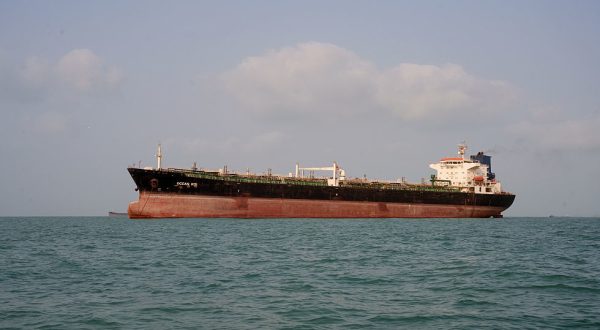
Recent US and Israeli air strikes on Iran have exacerbated an already strained water system weakened by years of drought and depleted resources. Reports indicate damage to desalination plants and reservoirs, disrupting supplies to tens of thousands. The attacks occurred as Iranian reserves were critically low, with some reservoirs nearly empty. Across the Gulf region, countries heavily rely on desalination—providing over 90 percent of drinking water in Kuwait, Bahrain, and Qatar—making them particularly vulnerable to disruptions. While damage to desalination plants was reported in several Gulf states during recent conflicts, the overall impact on supplies appeared limited.
Ukraine’s Water Infrastructure Under Fire
The war in Ukraine continues to worsen its existing water crisis, with attacks damaging vital infrastructure and reducing electricity generation by 70 percent. UNICEF reports that while 4.3 million people received safe-water assistance last year, 12.7 million still require humanitarian support. The destruction of the Kakhovka Dam in June 2023 affected over 100,000 people, and approximately 10 million Ukrainians now lack reliable access to safe water.
Escalating Global Concerns
The data underscores a concerning trend: water is increasingly becoming a focal point of conflict around the world. The confluence of factors—climate change, population growth, political instability, and armed conflict—is creating unprecedented pressure on already scarce water resources.
With water-related conflicts continuing to rise, experts anticipate that these challenges will only intensify in the coming years, demanding urgent attention and collaborative solutions to ensure sustainable water management and prevent further escalation of violence.
(With inputs from Al Jazeera)
Originally published on abcnews.com.np.



प्रतिक्रिया दिनुहोस्